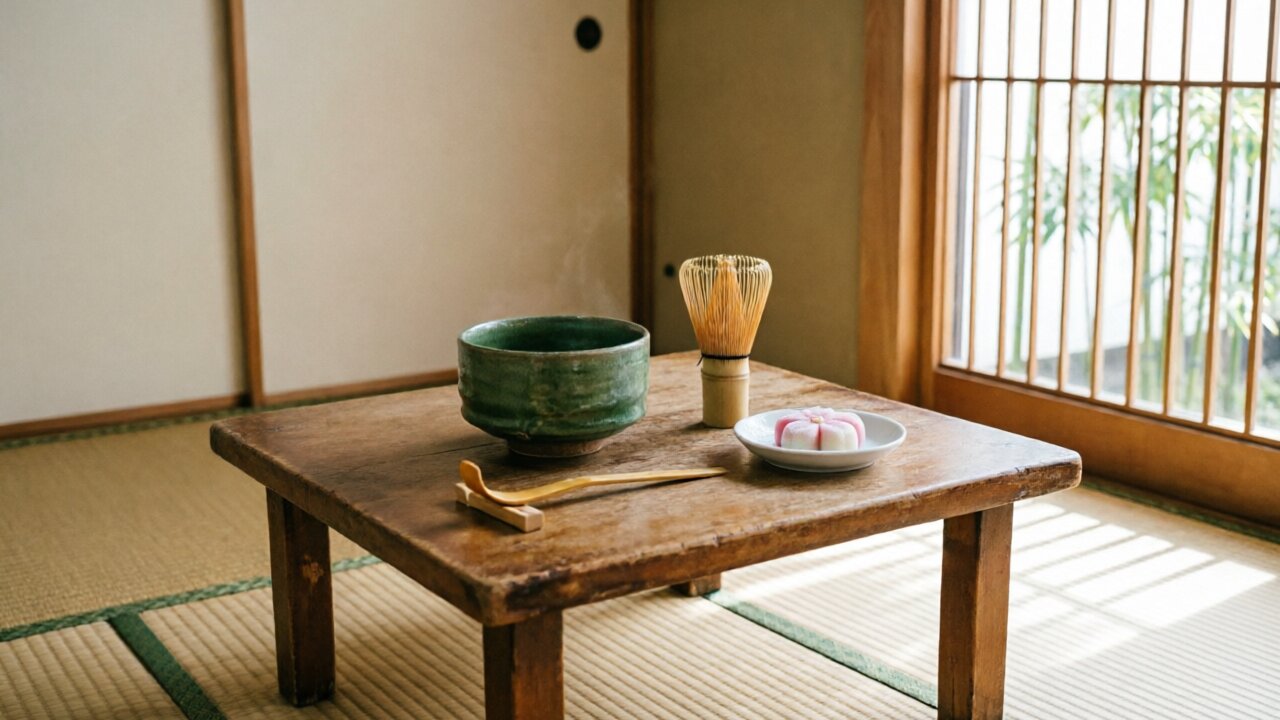
Tea ceremony with intention
Every ceremony is a sequence of small actions, each with a reason. Start at the table, then open the traditions and principles that hold them.
01 · Practice
Start with tea culture
Ceremony here means culture and practice — how you begin to drink with intention, then runnable sequences, then tradition systems. Start with the beginner map if you are new; open a sequence when you are ready for gestures.
-
 Practice sequence
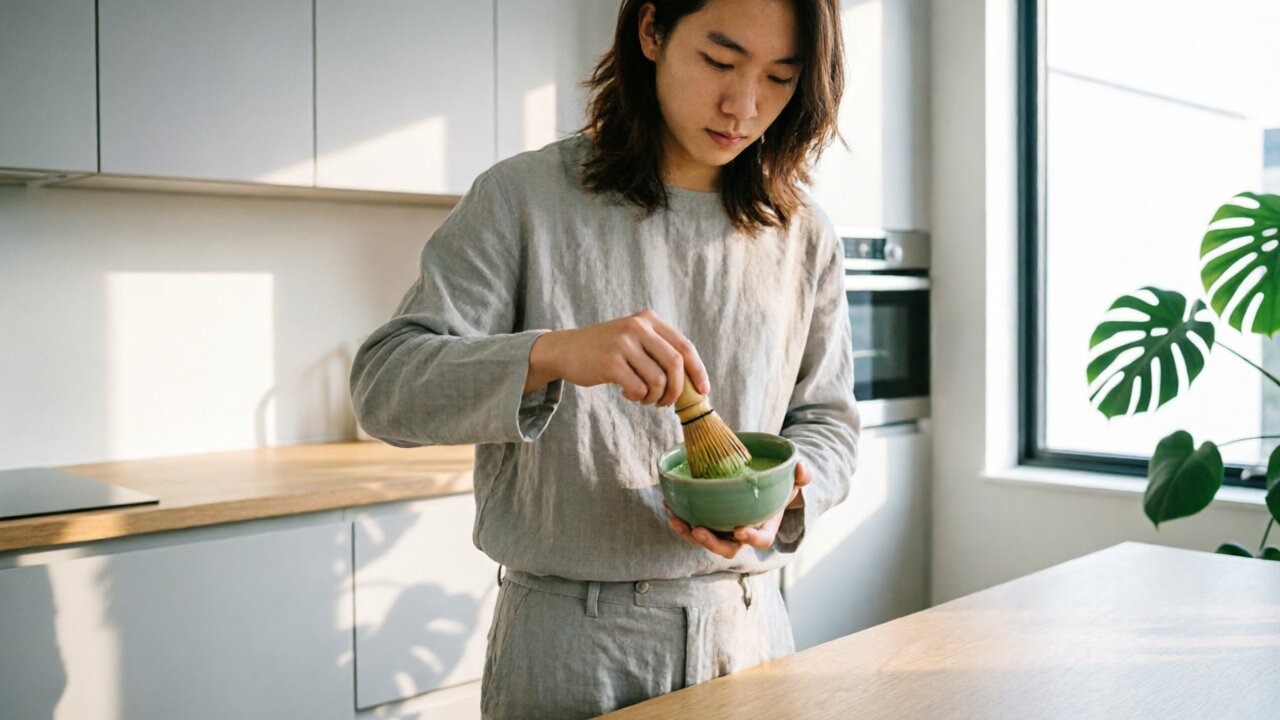
Matcha Ceremony at Home: 6 Steps & Four Principles
Matcha ceremony (chanoyu) at home: six step-by-step gestures, the four principles, tools, and what to practice first. No tea room required.
- Everyday
Ten-Minute Tea Pause: A Daily Practice You Can Run Today
A low-barrier ten-minute tea pause you can run today with a timer and one vessel — Practice secondary under matcha ceremony, not Gongfu or full Chado.
02 · Traditions
Four grammars of tea
Each culture built a different sequence for the same act — deliberate sharing of tea. Four equal maps: open a guide for the full system; planned cards are the writing backlog we will fill in Phase 1.
-
 China Live Sequence guide
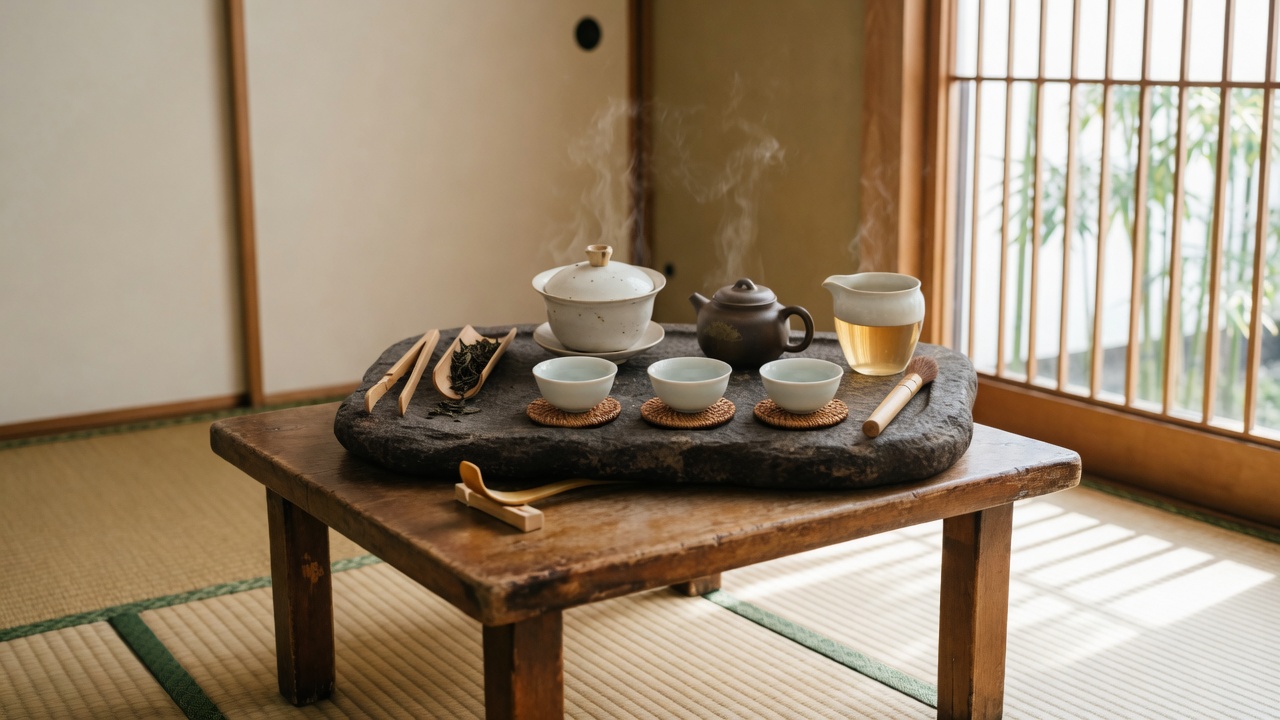
Gongfu Cha: Tradition Map, Vessel Roles, and an Honest Home Sequence
Skill & precision
Map Gongfu Cha as a Chinese skill tradition: vessel roles, an honest nine-step home sequence, when not to force ceremony, and a kit without theater.
-
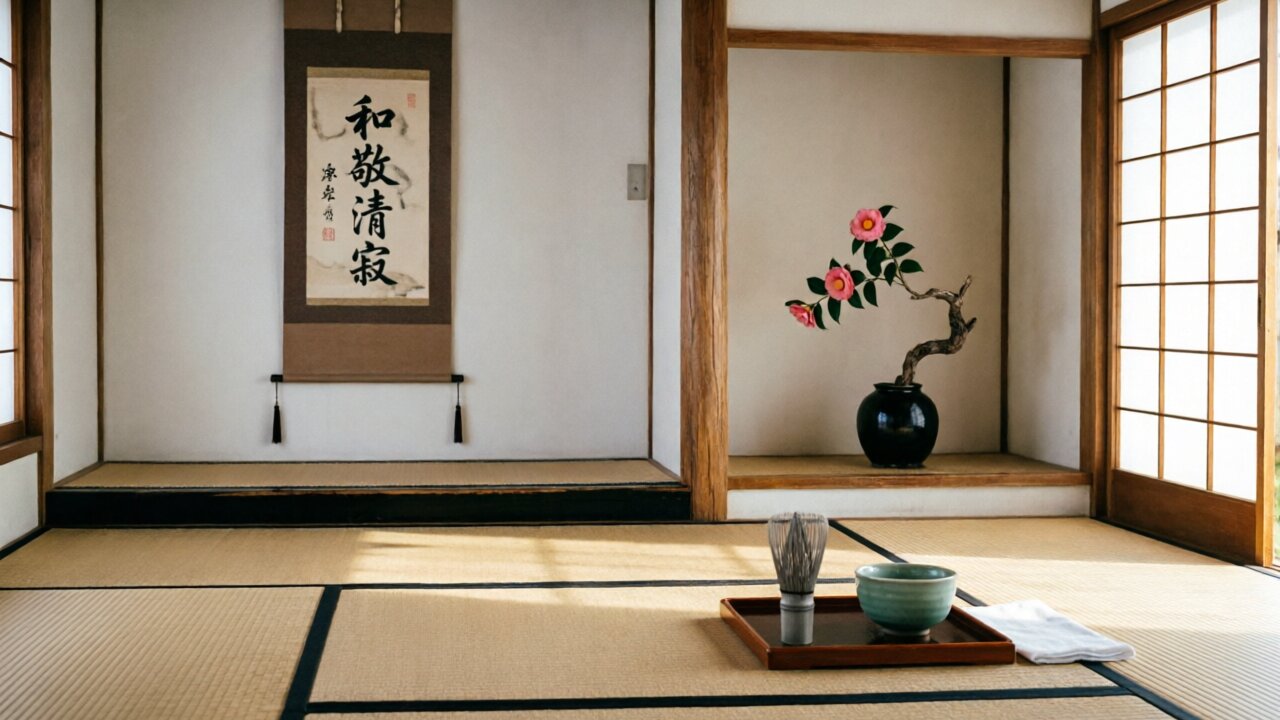 Japan Live Tradition system
Chado: Japanese Tea Ceremony Schools & Practice Guide
Wa · Kei · Sei · Jaku
Chado (Japanese tea ceremony) schools, tearoom roles, the four principles, and how to start practice at home — a system map without theater.
-
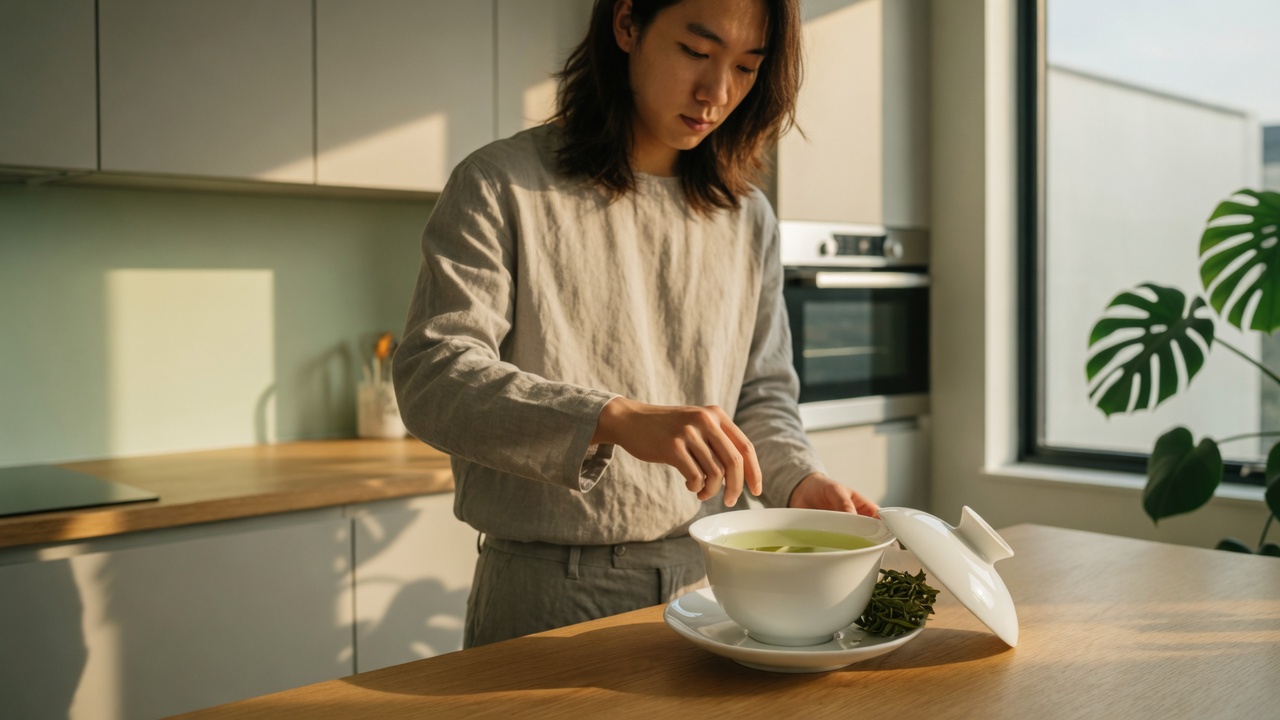 Korea Live Etiquette guide
Darye: Korean Tea Ceremony — Etiquette, Vessels, and a Home Sequence
Etiquette & offering
Darye (Korean tea ceremony) explained — Confucian roots, celadon vessels, green tea grading, and a 7-step home sequence for hosting guests.
-
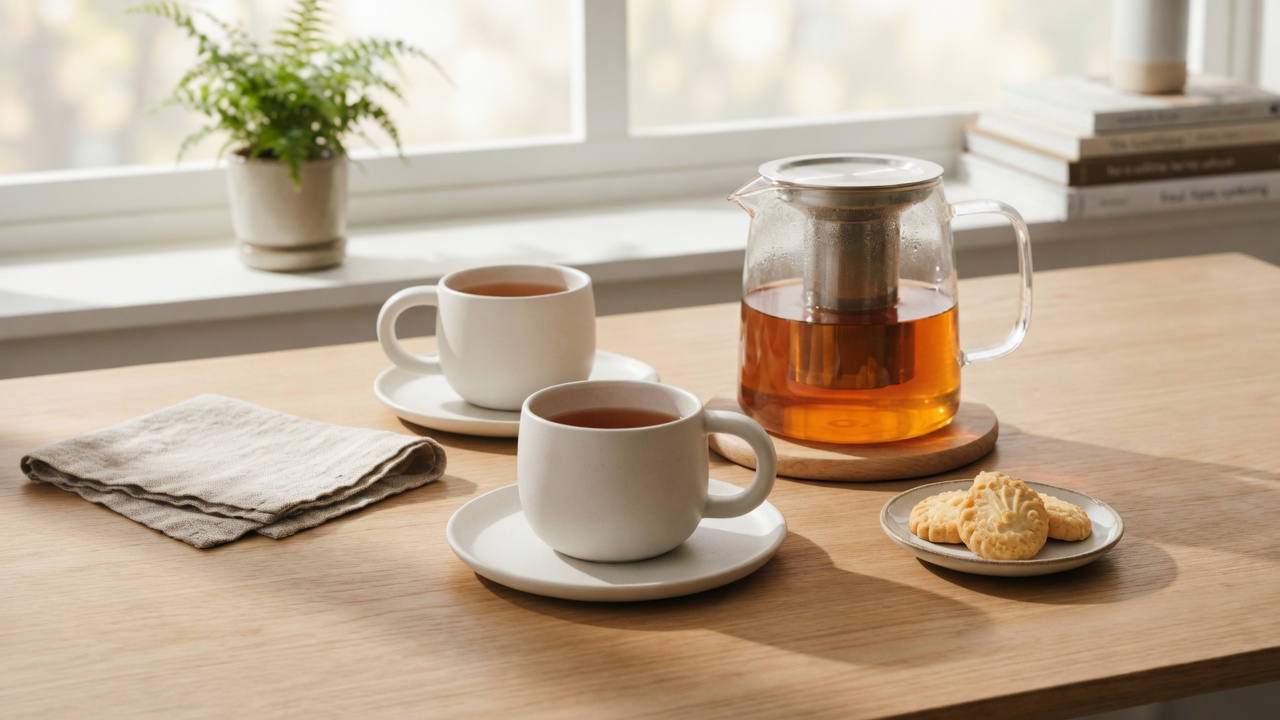 England Live Social ritual
Afternoon Tea: Tradition Map, Tea Selection & Hosting Guide
Civility & leisure
Map British afternoon tea as a Western tradition: tea leaf selection, ware roles, an honest hosting timeline, and when simplicity beats ceremony.
Practice vs Chado Matcha ceremony at home is a runnable practice — gestures live in that article. Chado (planned) is the Japanese tradition system (schools, room, lineage). They interlink; they are not the same page. Gongfu and other sequences live only as tradition cards here until their guides publish.
03 · Principles
Ideas the cup carries
Trust comes from a clear principle and one action you can try — not from a theory course, and not from product stacks. Each idea links to practice or a tradition guide.
- Chado
Wa · Kei · Sei · Jaku
Harmony, respect, purity, tranquility — a frame for how to hold the bowl and the meeting.
Try today Before you whisk, clear one surface and place the bowl with both hands.
Practice with matcha - Japanese
Ichigo ichie
“One time, one meeting” — this light, this leaf, these people will not recur. Honor it while it lasts.
Try today For one pour today, put the phone face-down until the cup is empty.
Read in Chado context - Chinese
Cha qi
The felt “energy of tea” — warmth and alertness from a good brew. Not a medical claim; a sensory report.
Try today After the first sip, pause three breaths before the second.
Deeper note on cha qi
Along the way
Vessel, steep, and shelf
Ceremony assumes a vessel and heat. Tea pets sit with Teaware → Vessels ; the room is Teaware → Space.
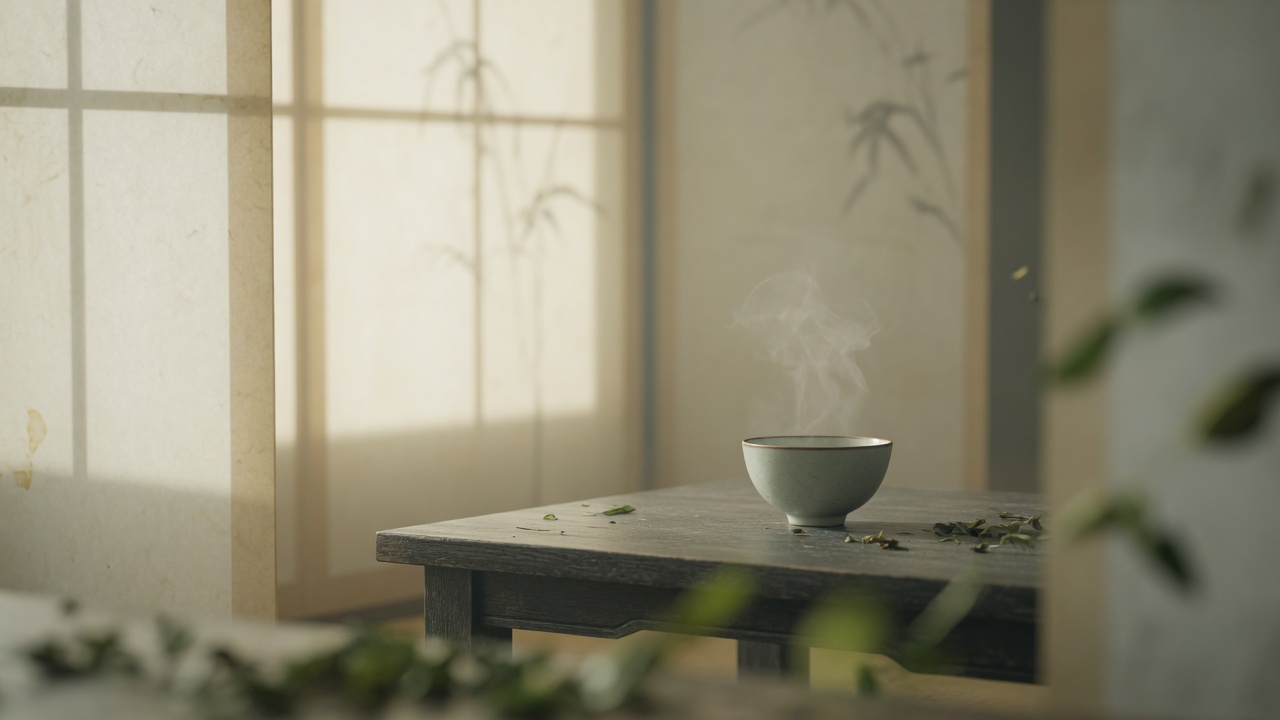
Tools
Tools for practice
Gongfu timing and matcha dose next to sequence — parameters stay in Brewing.