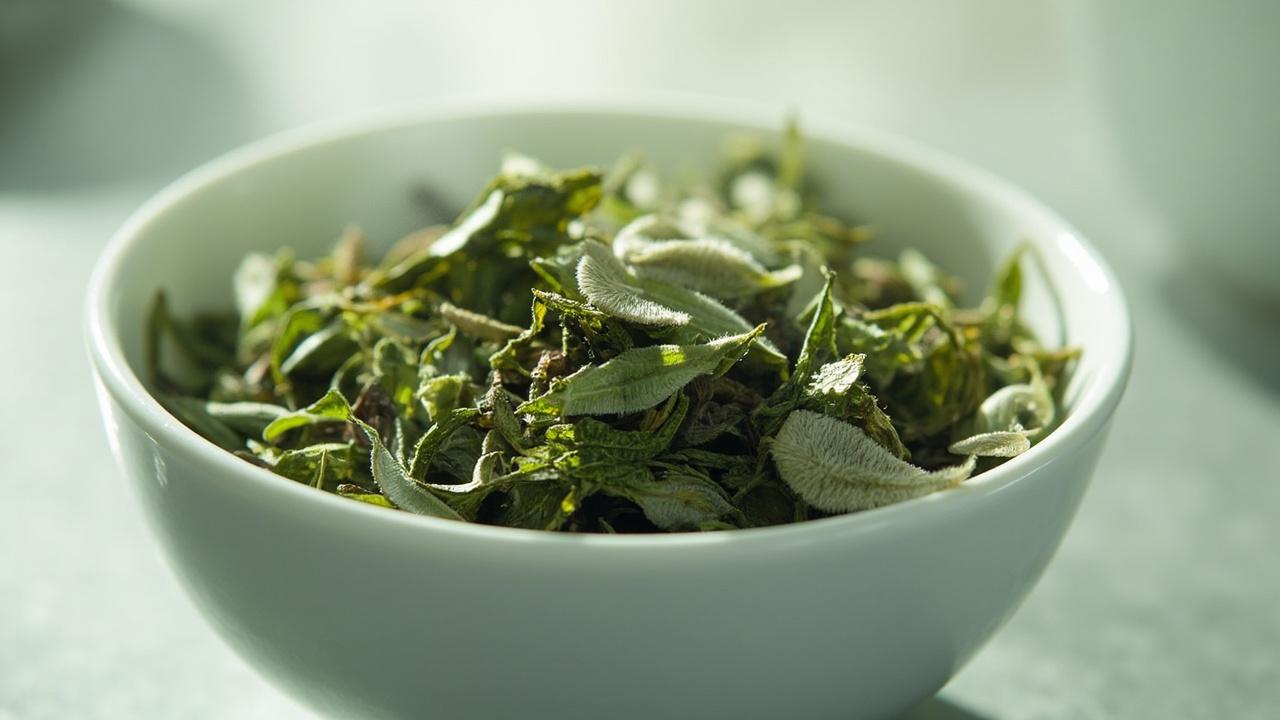
BLACK COMING SOON
Darjeeling First Flush
Spring harvest from Himalayan foothills. Light, floral, muscat-like — the "Champagne of teas".
Guide in progress — not a link
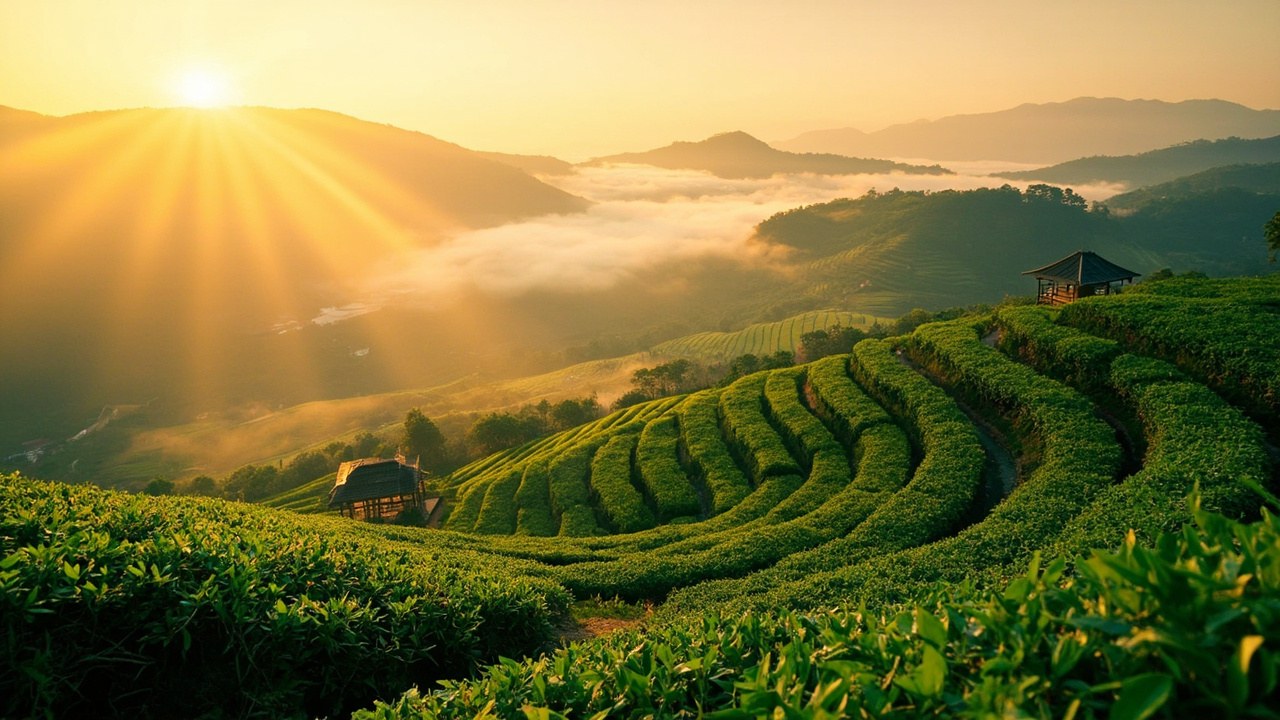
Six major types. Named teas you can open in one click. From Silver Needle to Da Hong Pao — origin, flavor, and how each leaf thinks.
All true tea comes from Camellia sinensis. What changes the cup is processing: how much the leaf oxidizes, whether it is steamed or pan-fired, and whether it ferments after drying. That is why green tea tastes bright and vegetal while black tea tastes malty, and why pu-erh can age like wine.
New to tea culture? Start with tea culture for beginners on Ceremony, then use the type map below for named leaves. Open any tea directly — you do not need a category page first. When you are ready to brew, continue in Brewing or choose vessels in Teaware.
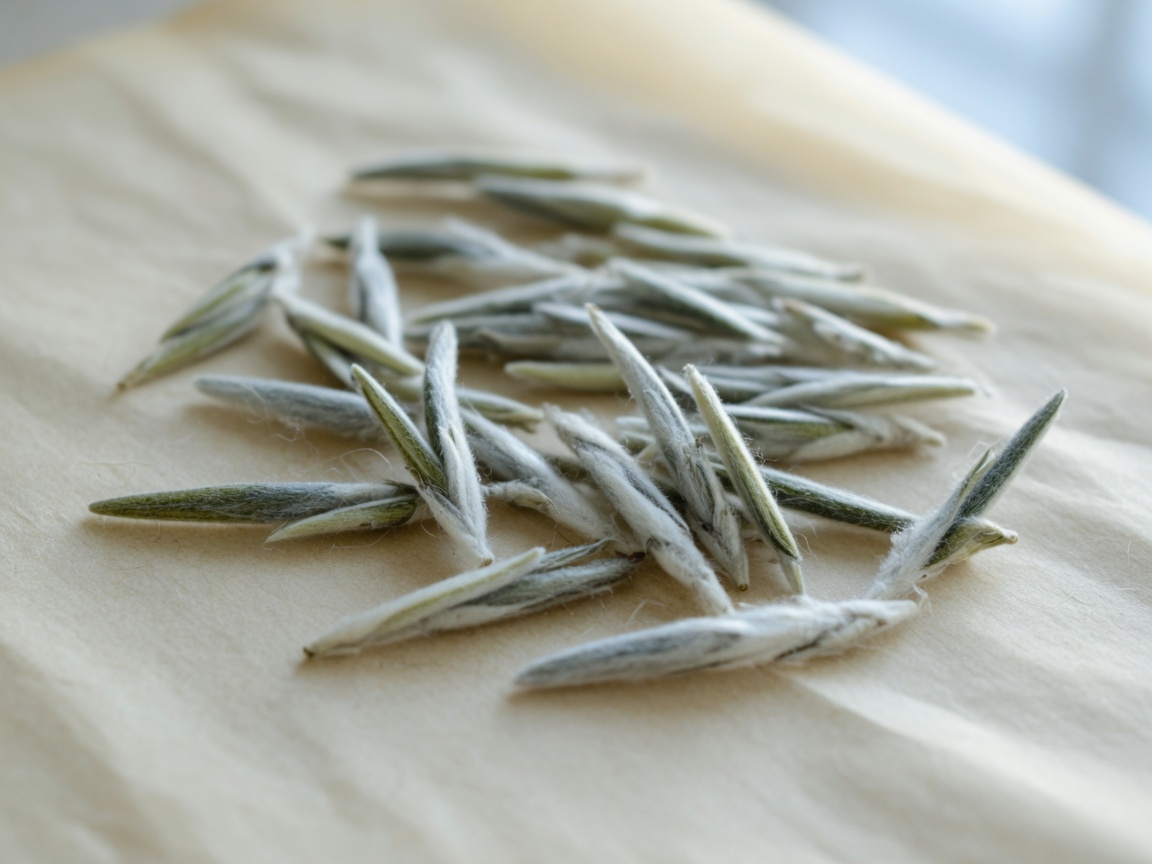
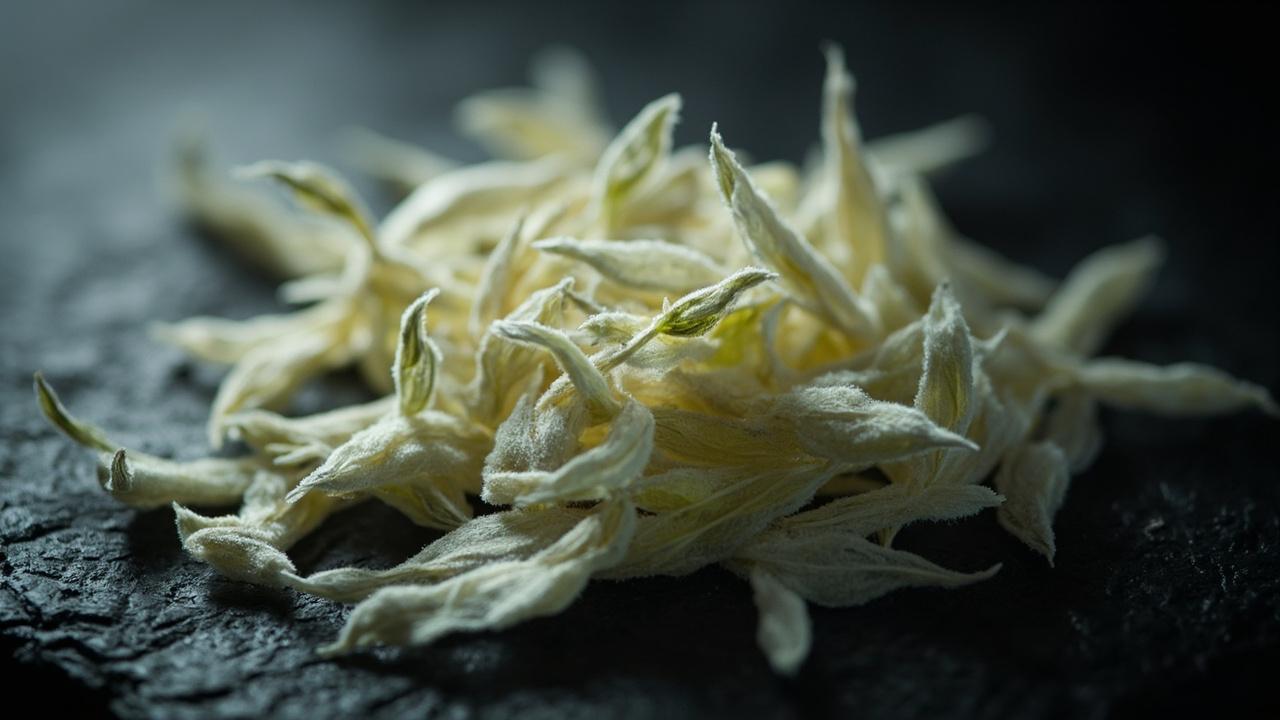
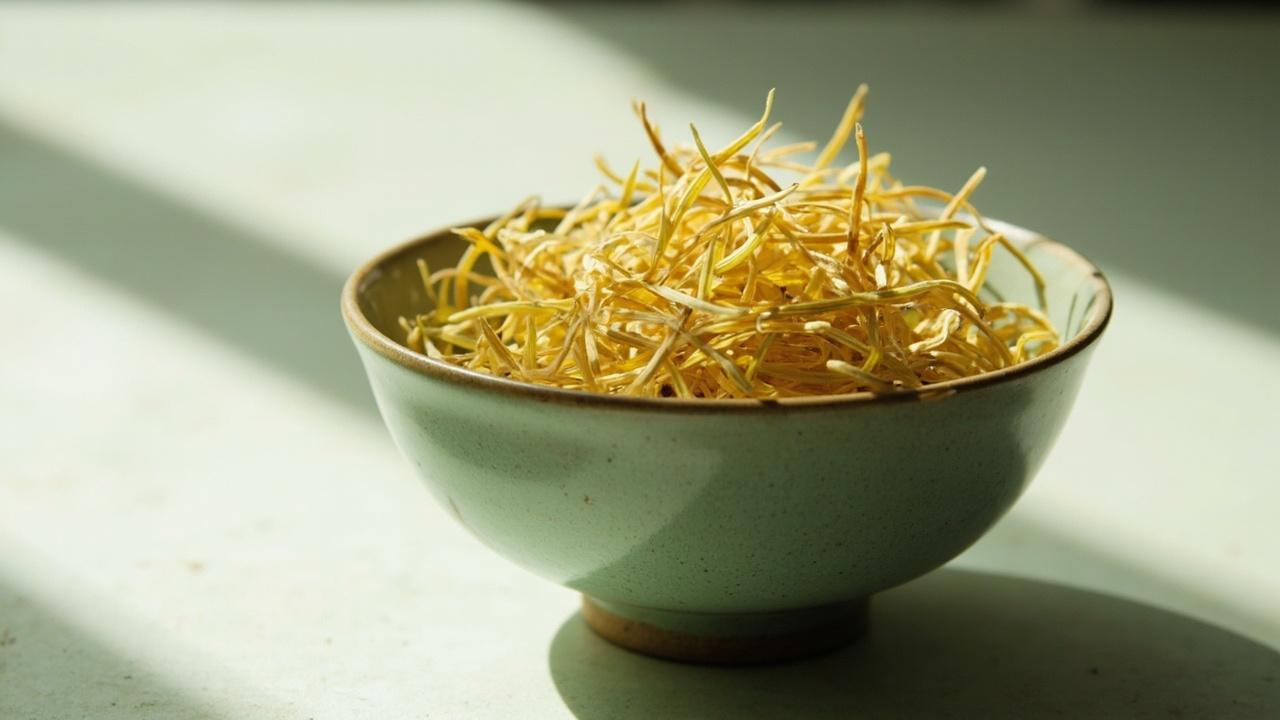
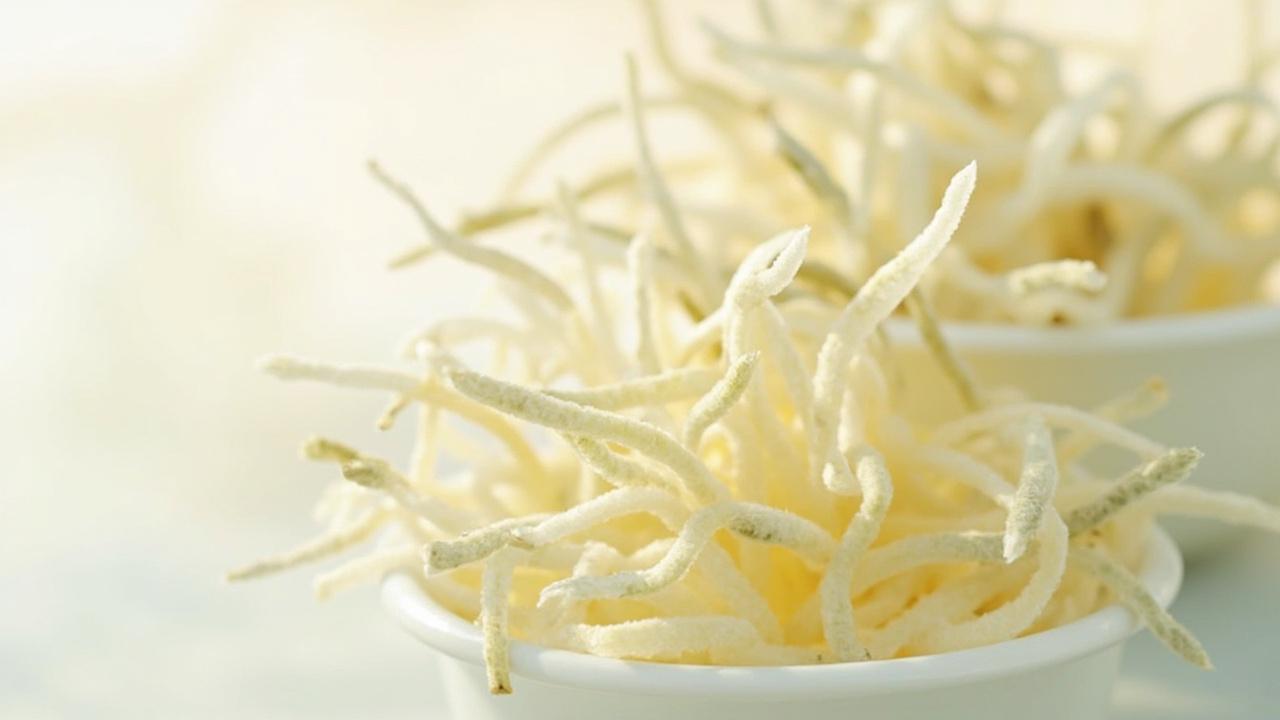
Minimally processed buds and leaves. Light, sweet, and airy — often the gentlest introduction to fine tea.
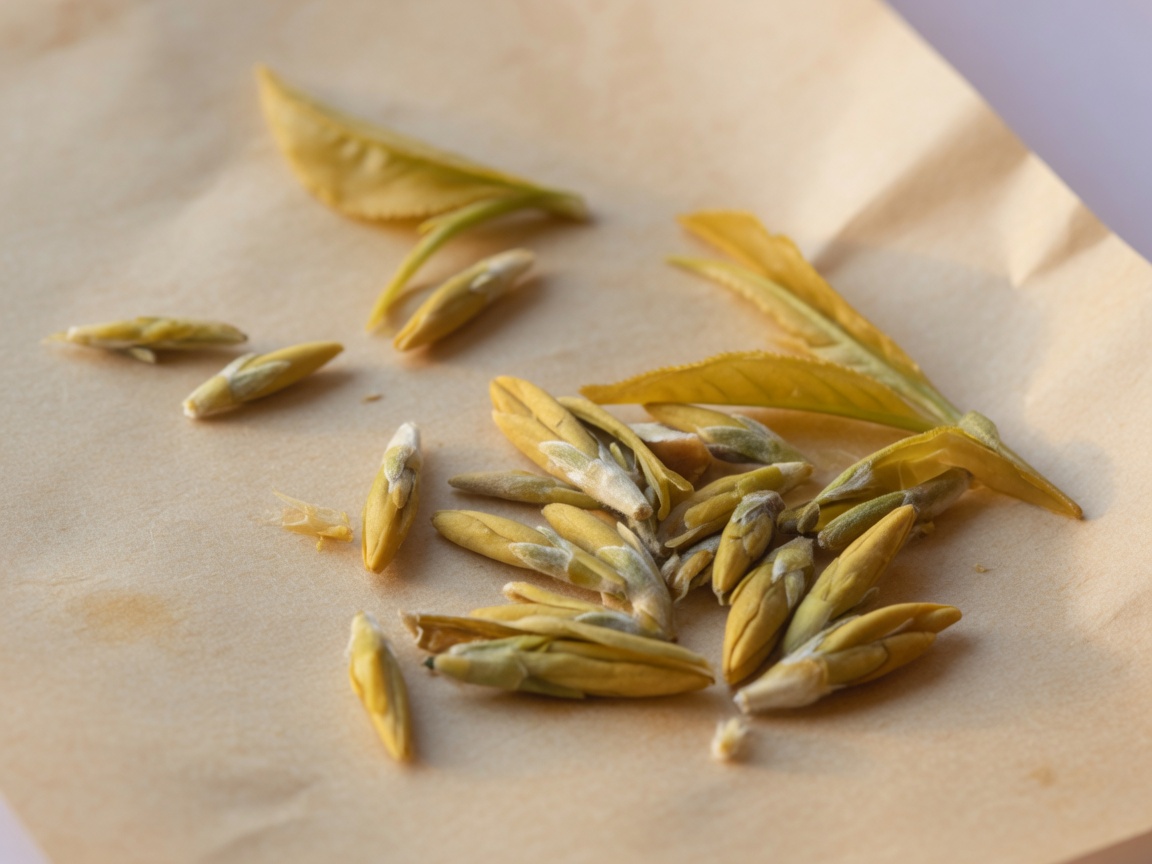
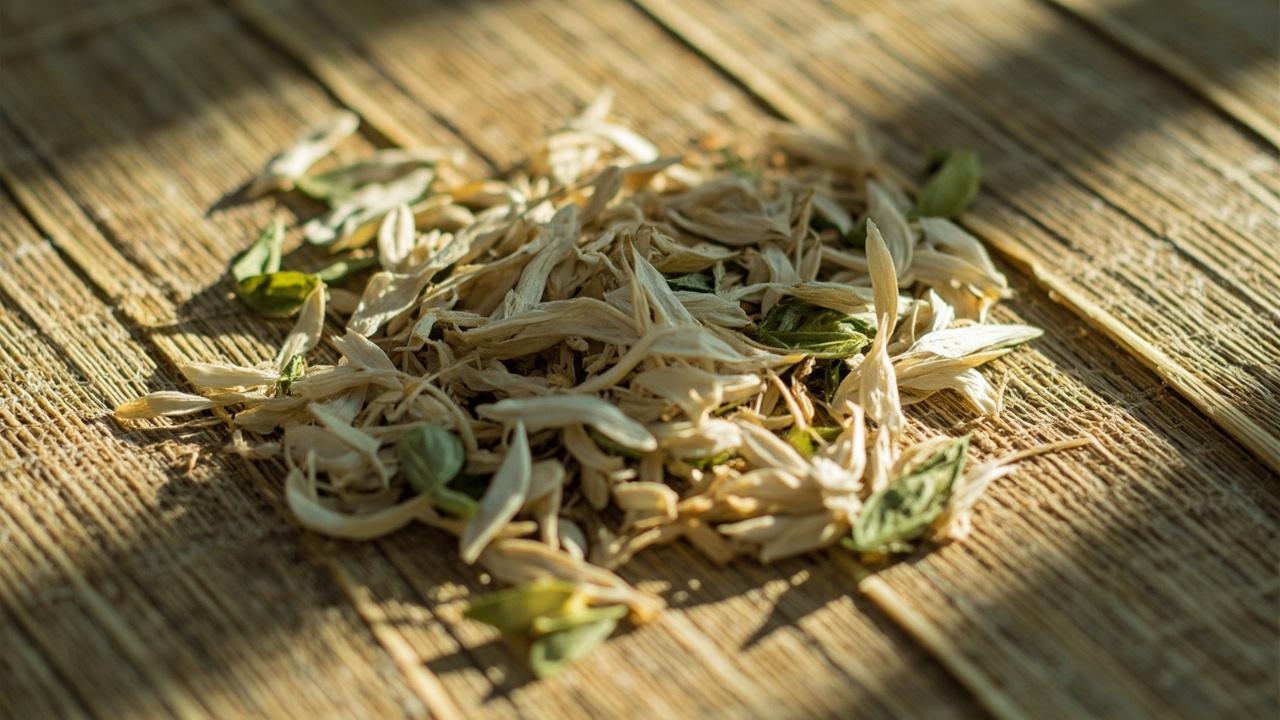
A rare Chinese family. A sealed "yellowing" step softens astringency into mellow floral sweetness.
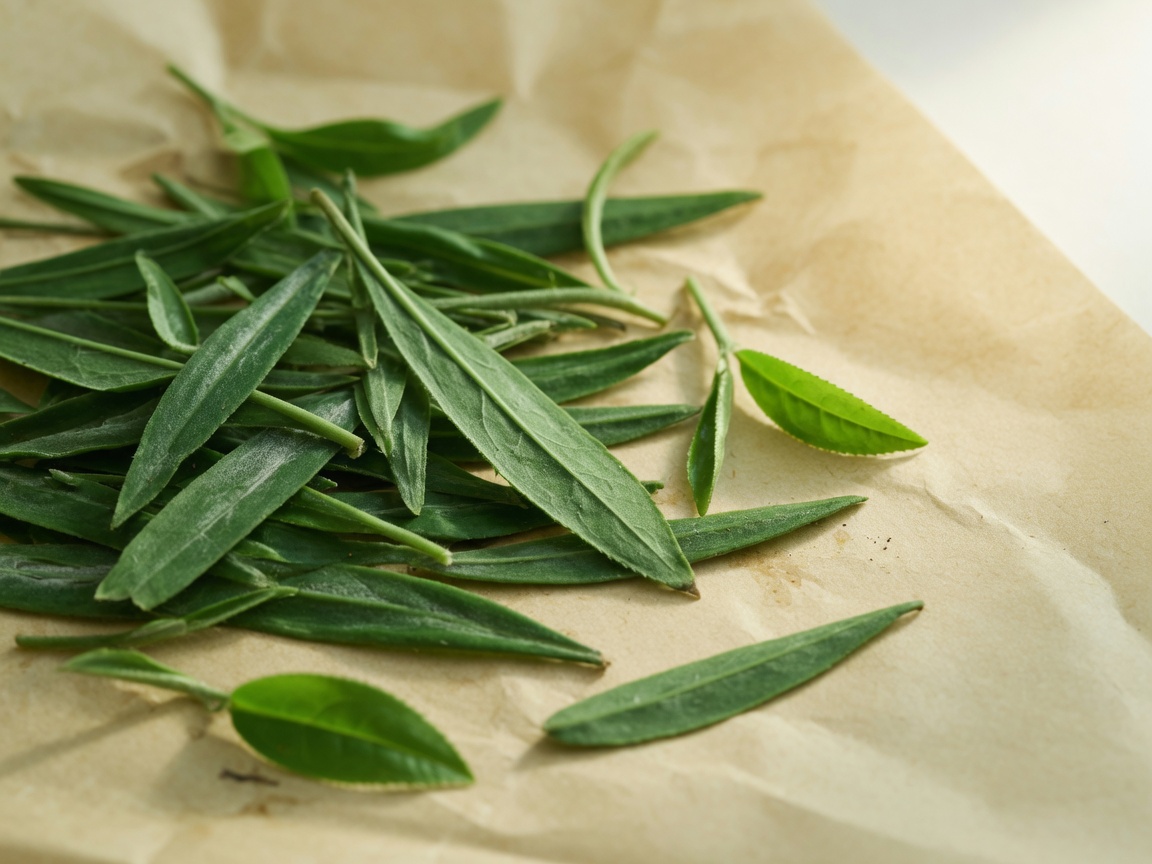
Heat-fixed to stop oxidation. From West Lake Longjing to stone-ground matcha — vegetal, sweet, or savory umami.
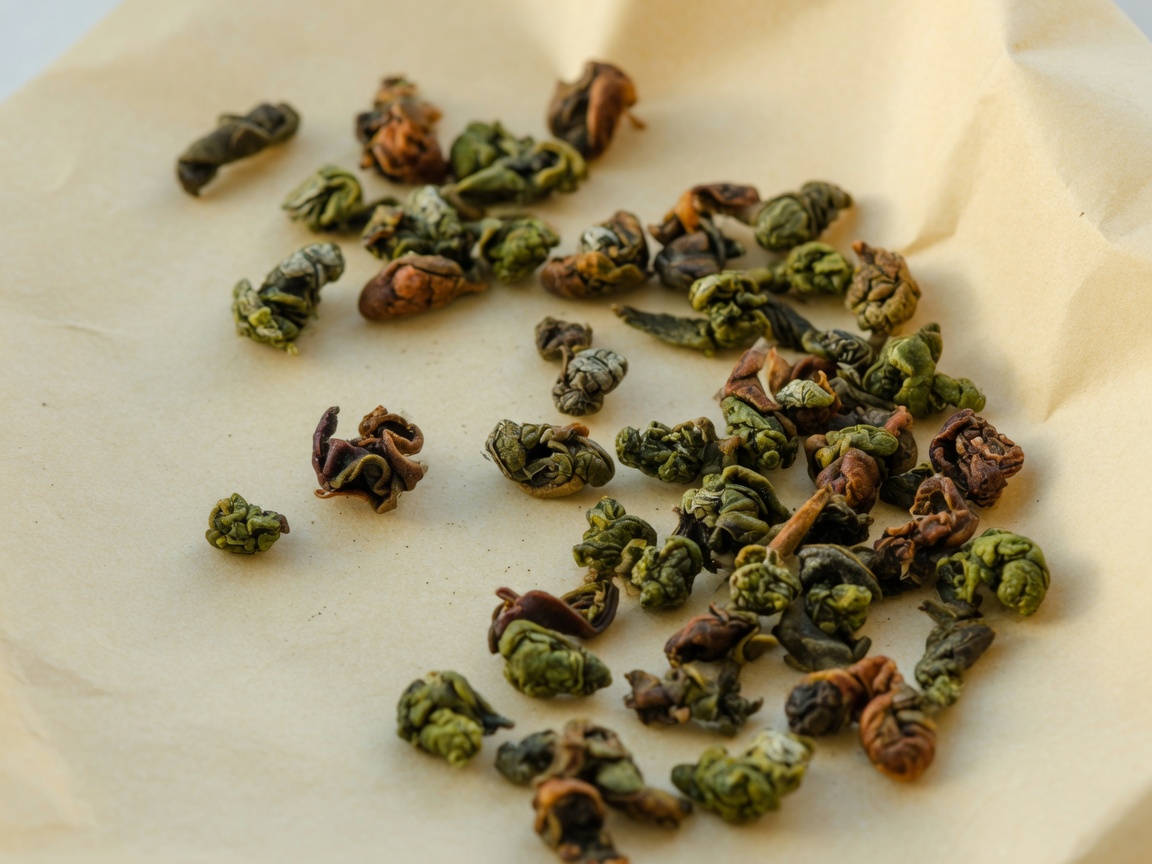
Partially oxidized, from floral and creamy to dark and roasted. The widest flavor spectrum in tea.
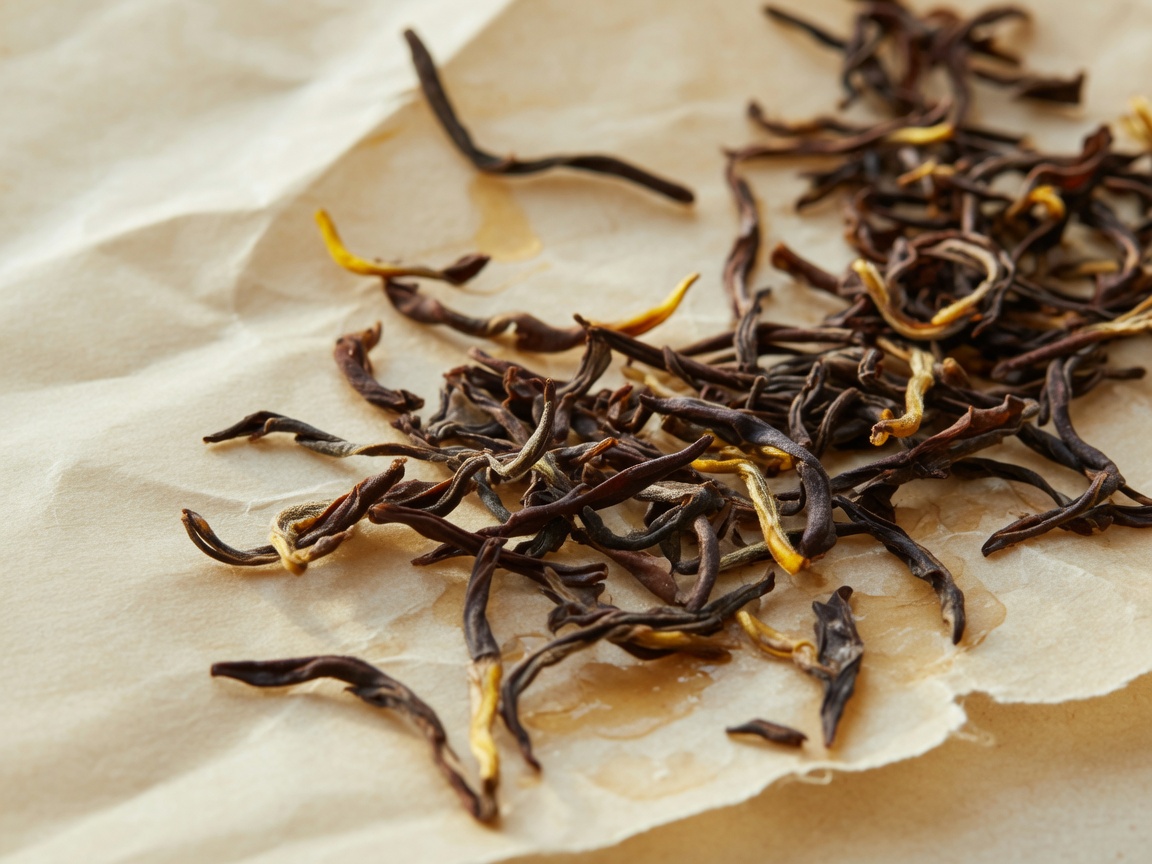
Fully oxidized. Malty, fruity, or muscatel — the daily cup of much of the world, and the base of classic blends.
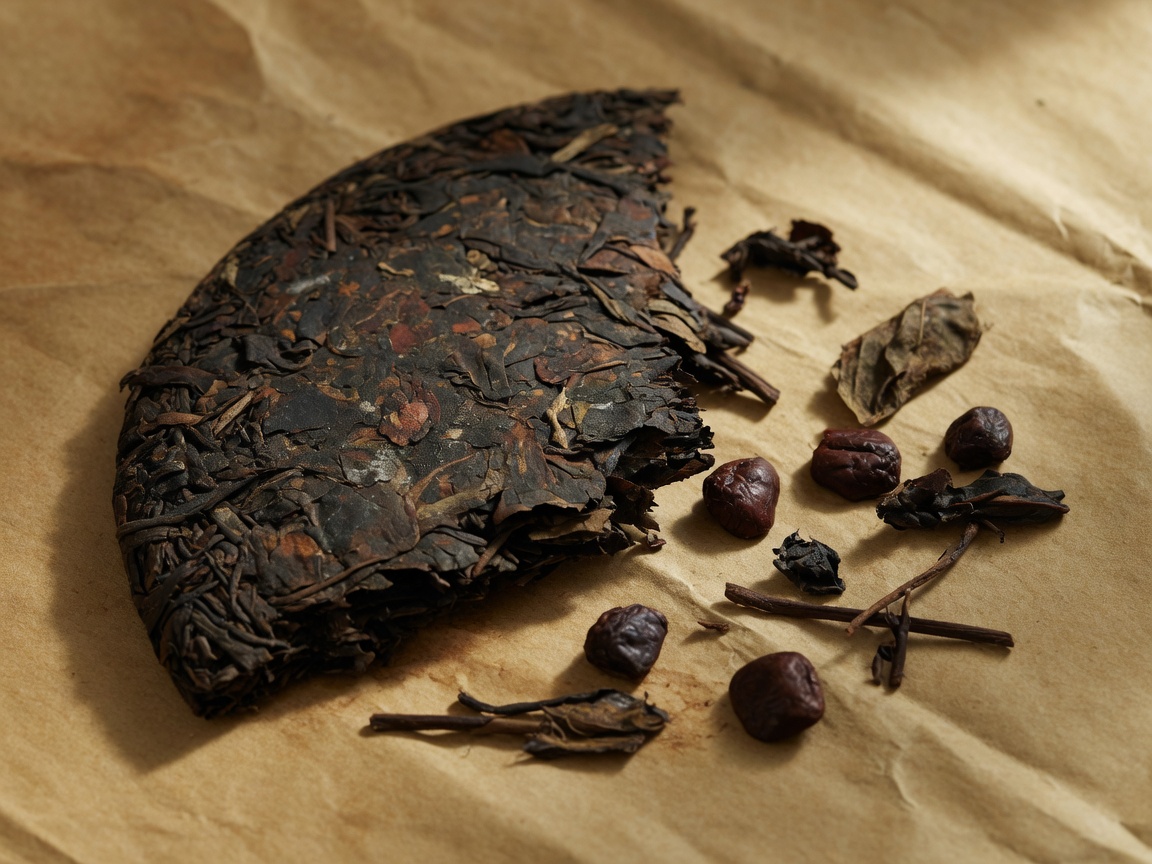
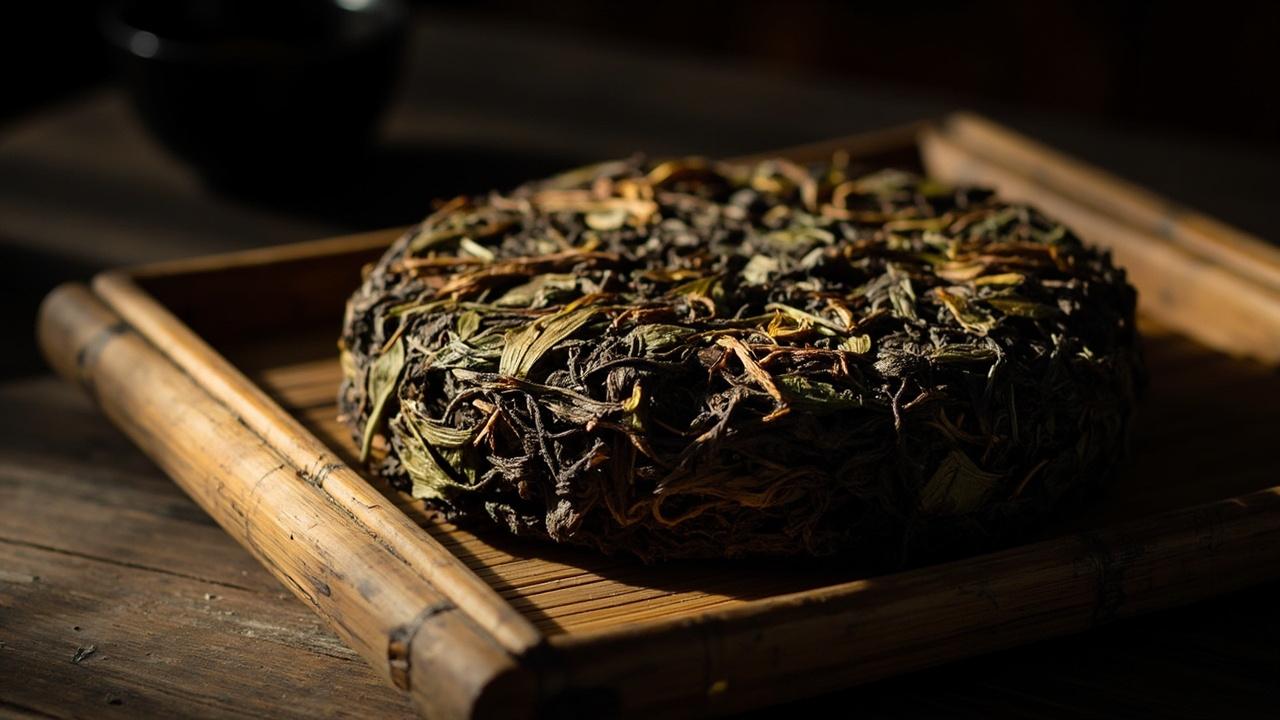
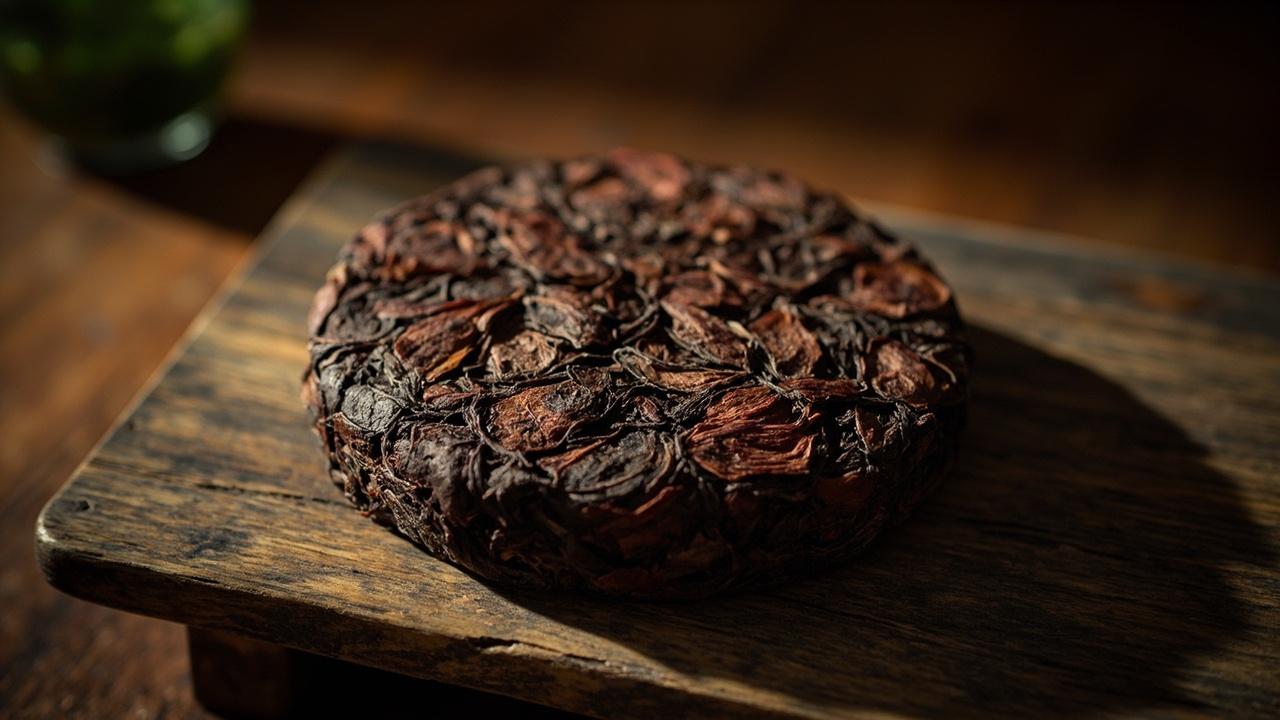
Post-fermented Yunnan tea. Sheng ages slowly; shou is pile-fermented for an earthy, smooth cup now.
Jump to a variety below. Coming-soon cards are placeholders for guides still in progress — they are not broken links.
Minimally processed buds and leaves. Light, sweet, and airy — often the gentlest introduction to fine tea.
A rare Chinese family. A sealed "yellowing" step softens astringency into mellow floral sweetness.
Heat-fixed to stop oxidation. From West Lake Longjing to stone-ground matcha — vegetal, sweet, or savory umami.
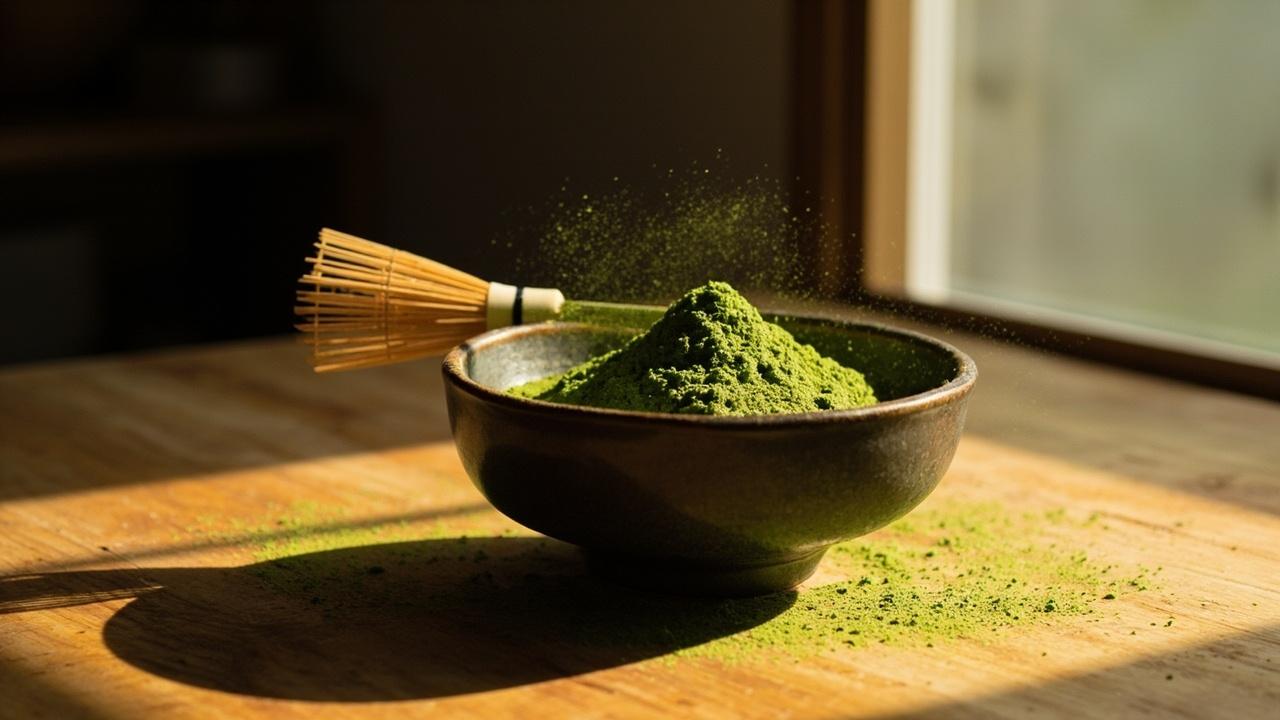
Shade-grown Tencha, stone-ground into vibrant powder. Centerpiece of Japanese tea ceremony; deep umami.
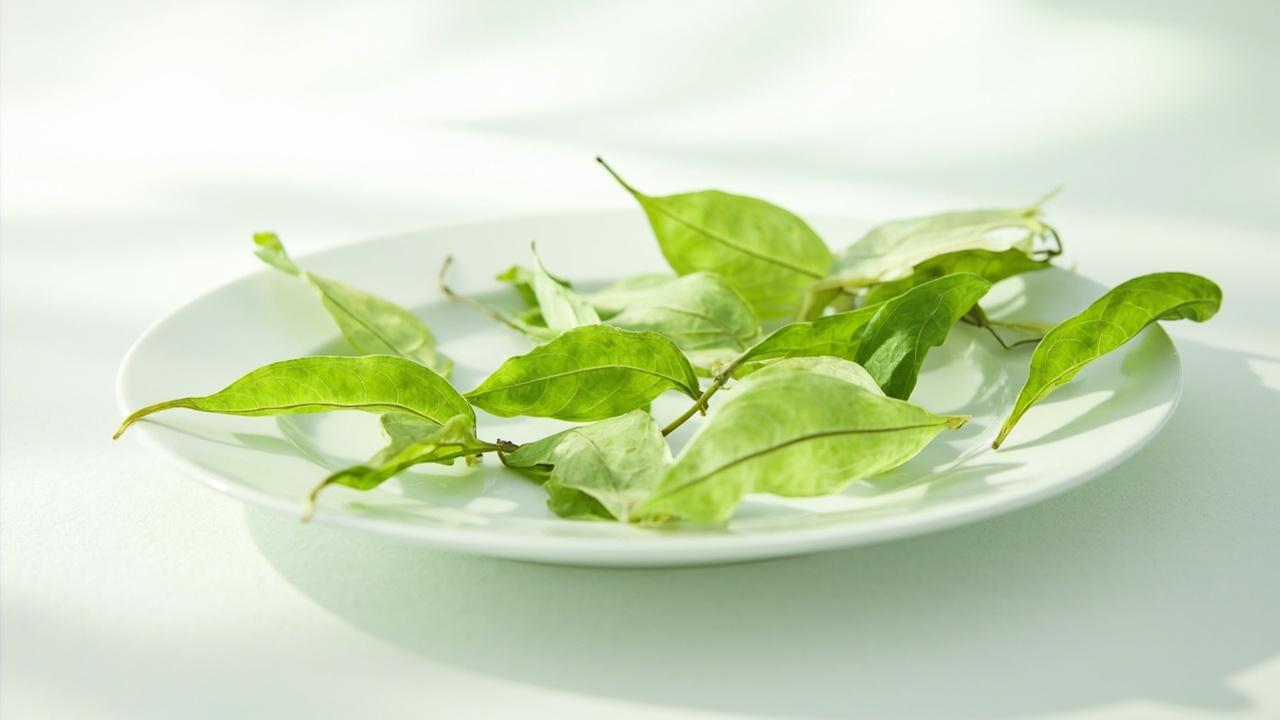
Four wonders: emerald color, aromatic flavor, lingering sweetness, flat leaf. Hand-pan-fired near West Lake.
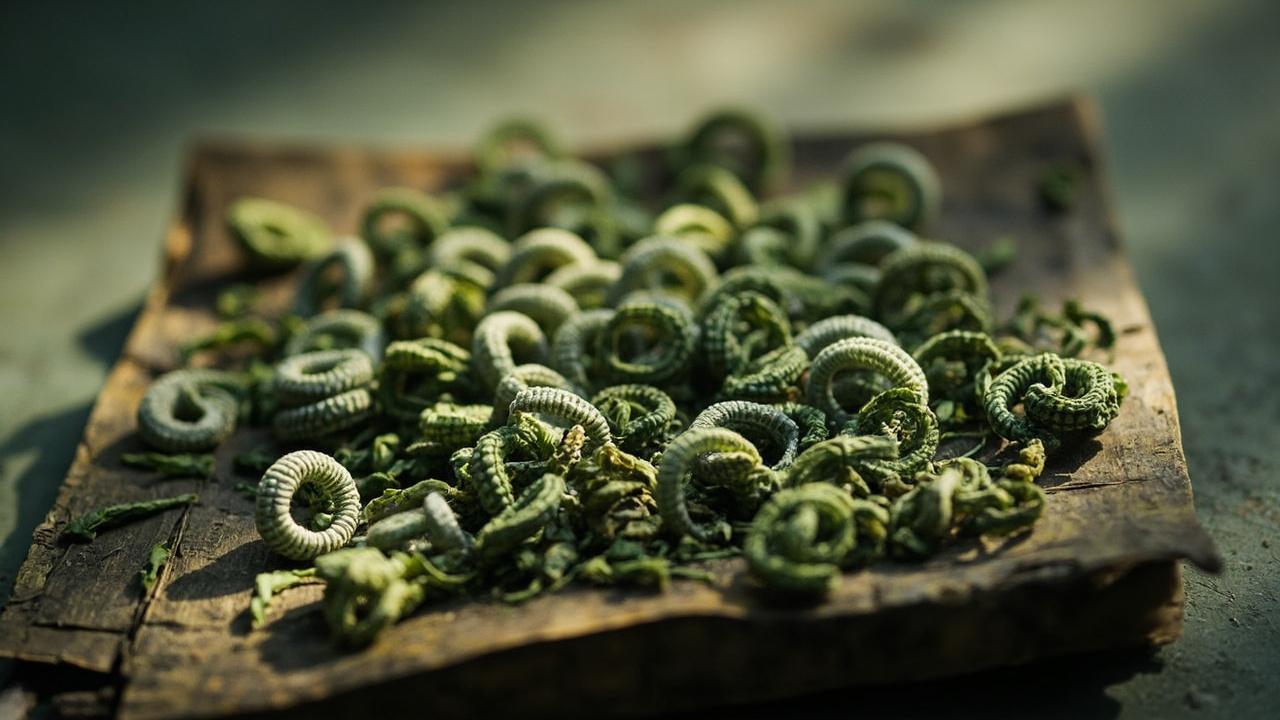
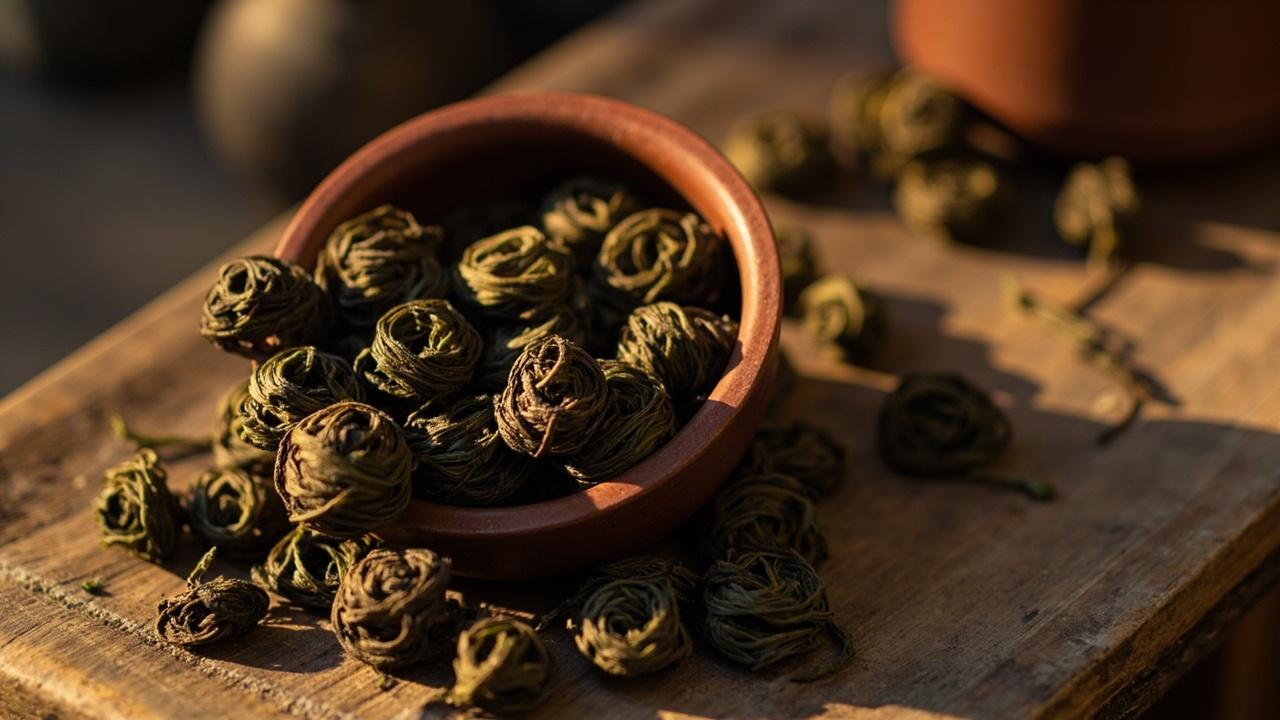
Tight spiral pellets that unfurl when steeped. Floral and fruity, with a thick, brothy mouthfeel.
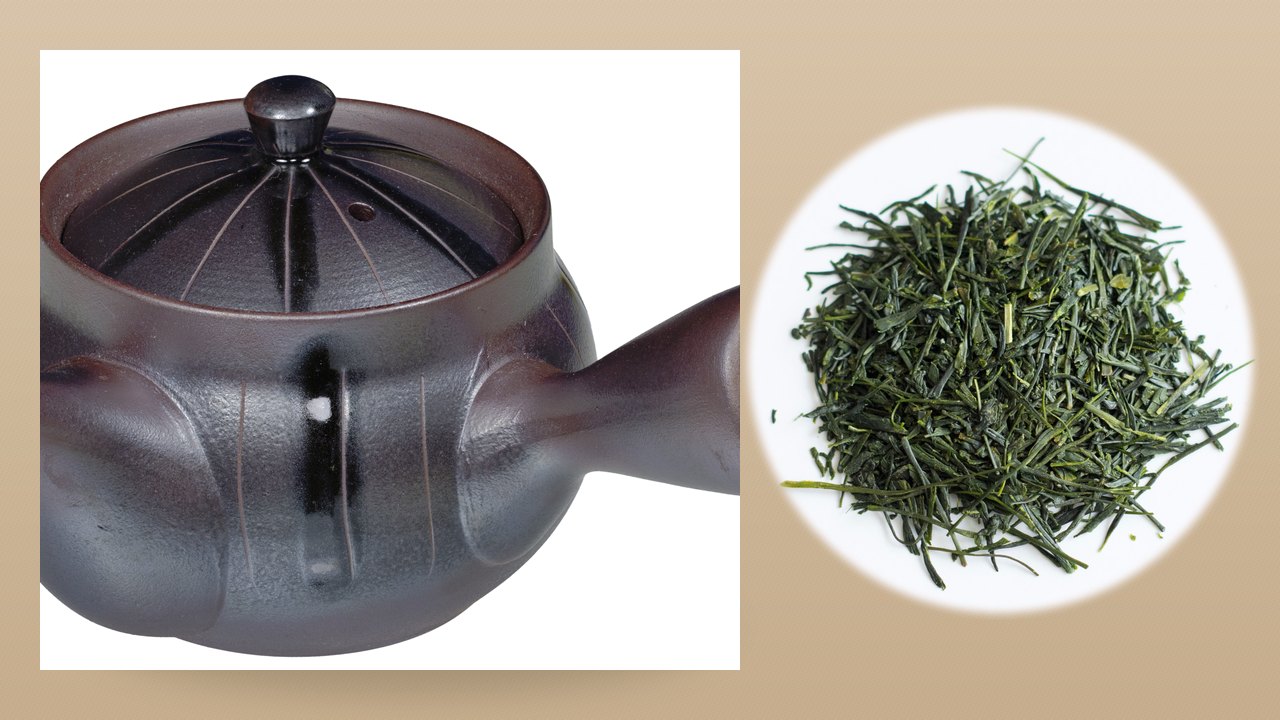
Needle-rolled Japanese green. Fukamushi vs asamushi vs shincha, kyusu brewing, steamed leaf — not powder.
Partially oxidized, from floral and creamy to dark and roasted. The widest flavor spectrum in tea.
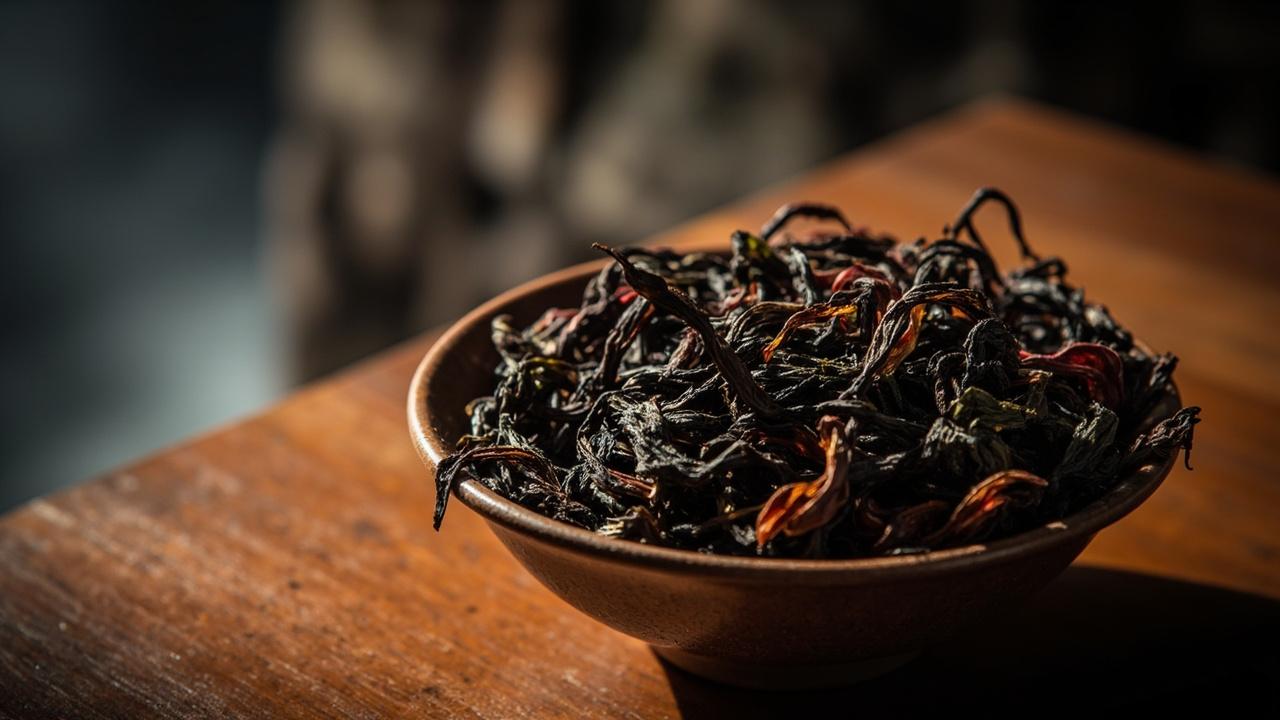
Fully oxidized. Malty, fruity, or muscatel — the daily cup of much of the world, and the base of classic blends.
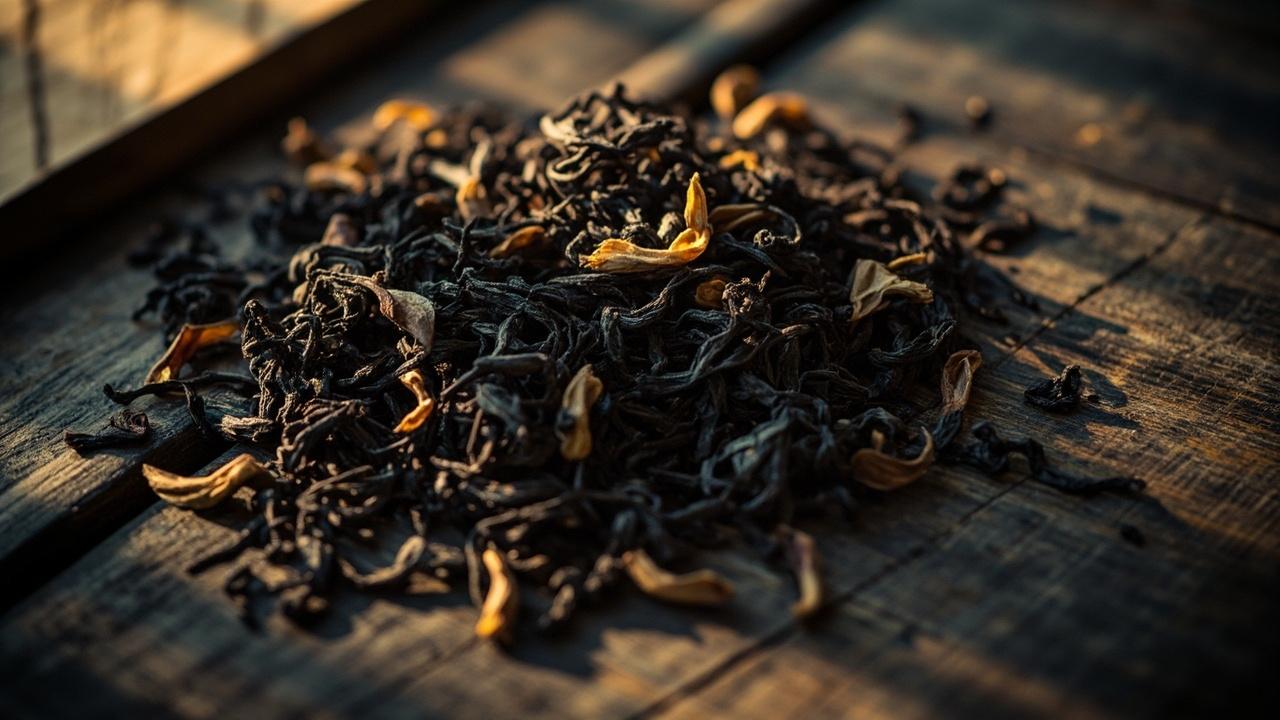
Anhui black tea with cocoa, dried fruit, and subtle smoke — backbone of classic English breakfast blends.
Spring harvest from Himalayan foothills. Light, floral, muscat-like — the "Champagne of teas".
Guide in progress — not a link
Post-fermented Yunnan tea. Sheng ages slowly; shou is pile-fermented for an earthy, smooth cup now.
Tools
A short chooser for your first leaf, plus matcha dose when powder is the form.