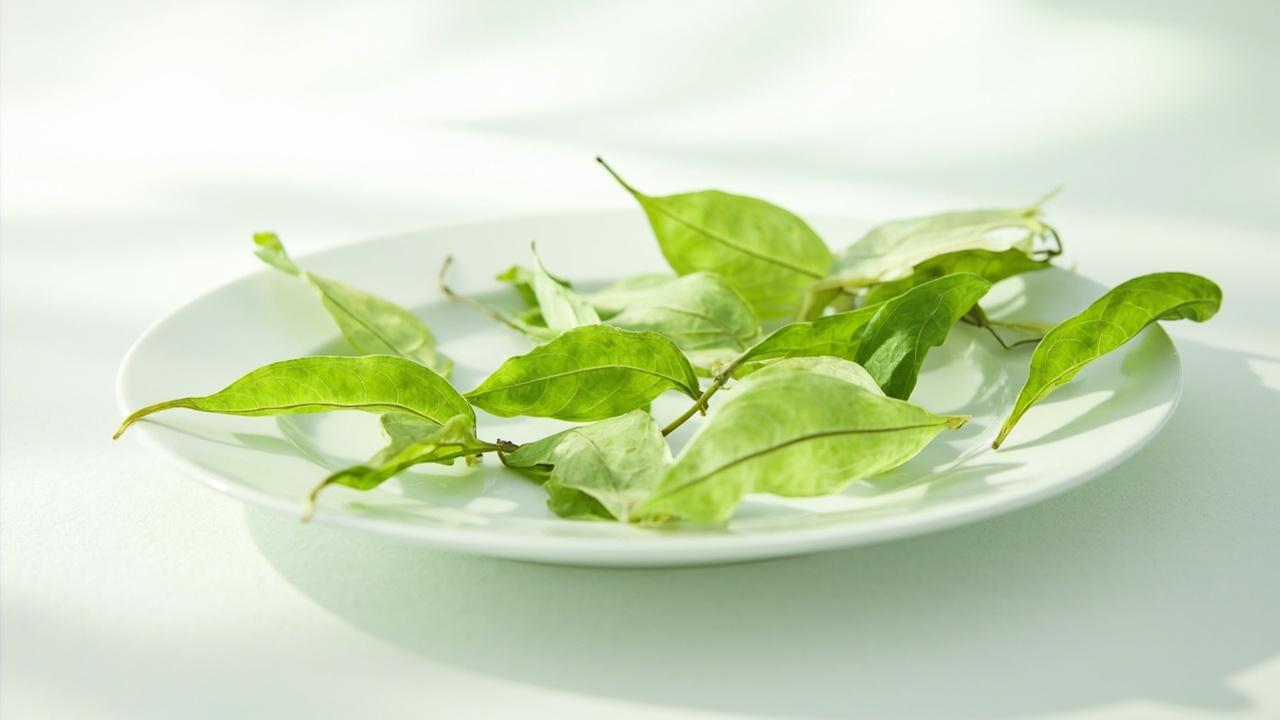
Longjing (龙井, Dragon Well) is a household map: West Lake place names, a flat pan-fired leaf, and a glass you can watch [1]. This page is not a second Hangzhou encyclopedia. The city, the wok, and the 75–80 °C steep already sit in the short answers. What follows is six modules — Origin, Look, Character, Ware, Ritual, Benefits — so you can buy a named lot, spot a tired leaf, and pour without boiling the chestnut out.
Origin
Longjing, Dragon Well, and 龙井 are one tea [1]. The leaf is pan-fired in a wok and pressed into flat spears, not steamed into needles. The four wonders sit in one line: emerald color, a chestnut aroma, lingering sweetness, and that flat shape.
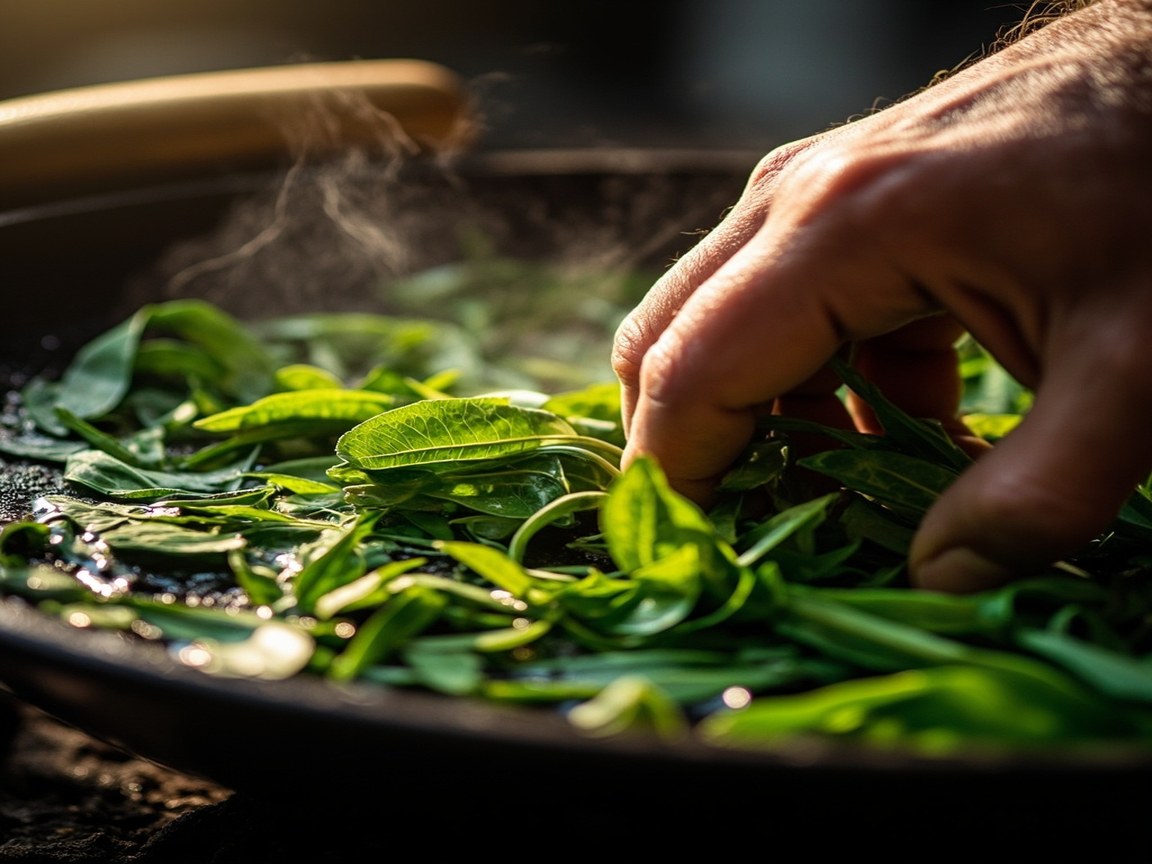
Protected West Lake Longjing is a named place, not a leaf shape [3]. Lots labeled Longjing-style from other provinces can copy the press and still miss the lake. Read “West Lake” (西湖龙井) or a named village as the origin cue, not as a slogan you can skip.
Shi Feng (狮峰, Lion Peak), Mei Jia Wu (梅家坞), and generic Xihu (西湖) are places on one lake, not three synonyms. Shi Feng is the mineral-chestnut end. Mei Jia Wu usually drinks a little brighter and more vegetal. Xihu without a village name is still West Lake, with a wider cup-to-cup swing. The named-leaf hub is where this sits among other greens — there is no separate parent-variety page to click.
When matters as much as where. Pre-Qing Ming (明前, before early April) is the first pick: smaller buds, sweeter, easy to overpay for if you only wanted a daily pot. Yu Qian (雨前, before Grain Rain) is the next window — still spring, less of a museum price. Later leaf can still be honest West Lake. It just loses chestnut and picks up bite.
Process is three beats: pick the bud or bud-and-leaf, pan-fire and press in a hot wok, then dry and sort. You do not need a wok-temperature lecture to buy a tin. Flavonoid profiles in Longjing do shift with cultivar, origin, and how long the leaf sits [2]. That is leaf chemistry, not a reason to hunt a harvest headline.
For a first-harvest West Lake lot, West Lake Longjing Tea (Ming Qian) at $19.97 is the Pre-Qing Ming rung. If you want the signature bean aroma in a dedicated 120 g tin, XIXICHA Longjing Green Tea (Ming Qian) at $29.98 is the pre-Qingming upgrade, not a second encyclopedia.
Look
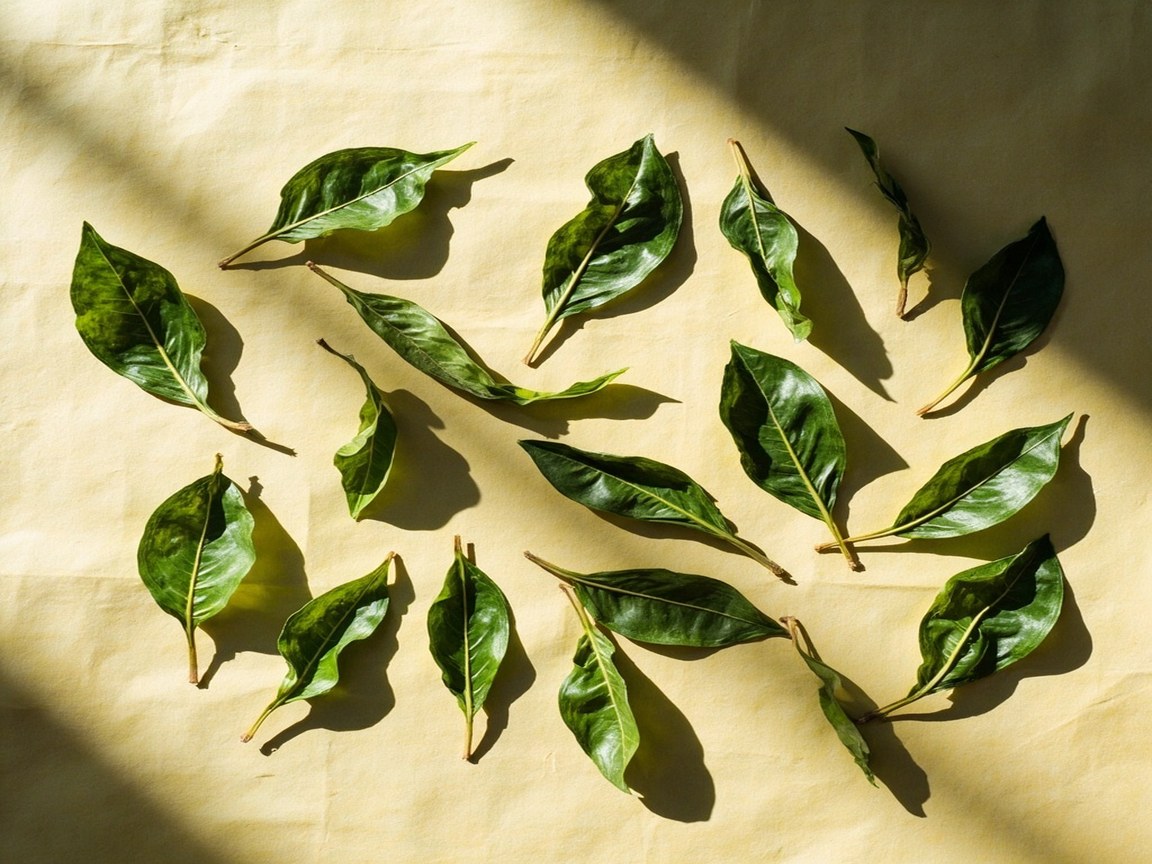
Dry Longjing should read as whole flat spears: uniform emerald, glossy, not dust and not a mix of yellow chips. Broken leaf and muddy color are the first tells, before you even smell the tin.
The household tell AIO summaries skip is the wet leaf in glass. Drop a pinch into a Woonsoon glass gaiwan (170 ml) at $17.99, or into a tall drinking glass, and watch the spears stand, sink, and open. A glass gaiwan exists for this job. If the cup is only dust, you bought fannings or you crushed the leaf in a tight basket.
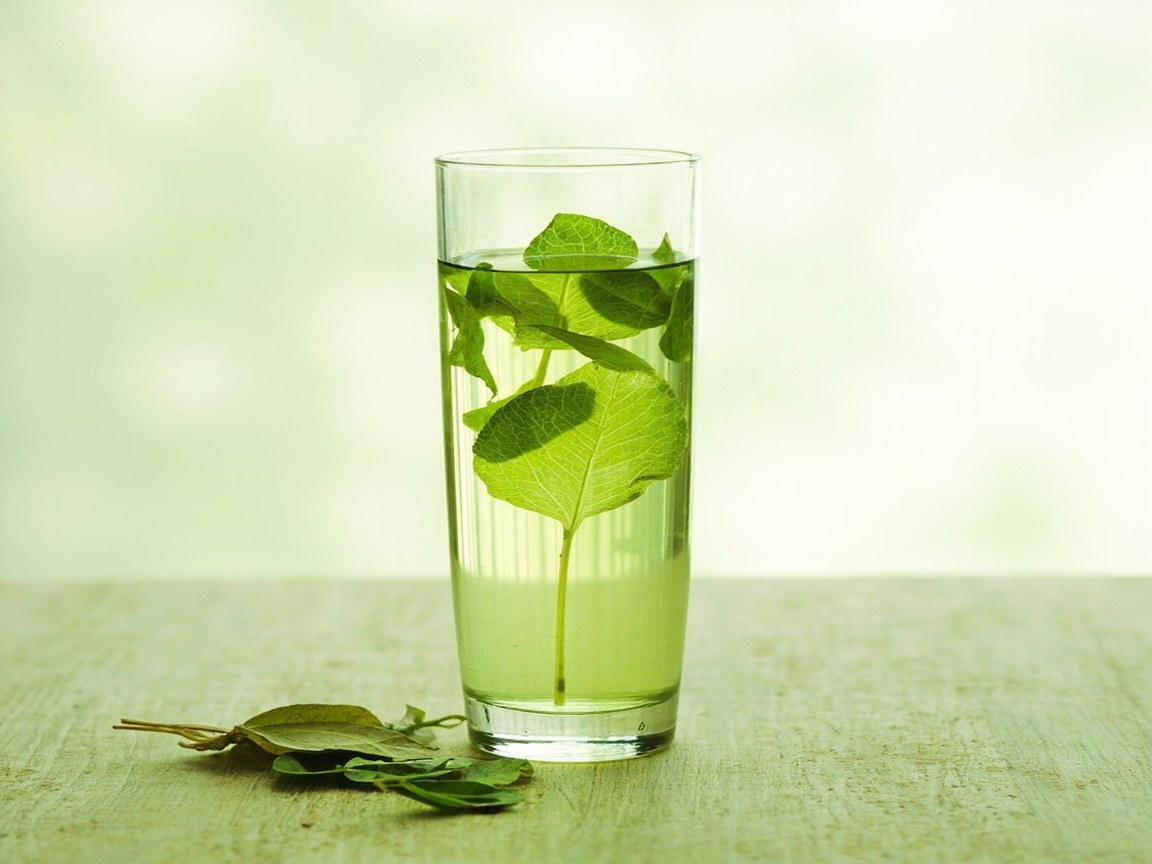
Liquor should be pale yellow-green and clear enough to see the leaf. A brown cup from a “fresh” tin is age or a roast that went too far. Stale dry leaf shifts emerald toward yellow or brown; the aroma note comes later, in Character.
Fake cues beyond a QR sticker: uneven color in one bag, shattered spears, a grassy look with no chestnut-ready sheen, and a label that only says “Dragon Well” or “Product of China.” The package should name West Lake (西湖龙井) or a village — Shi Feng, Mei Jia Wu — not just a dragon drawing [3]. Shape alone is not terroir.
Character
The grade ladder is harvest plus place, not a medal system. Pre-Qing Ming is the first window. Shi Feng is the named peak on the lake. Mei Jia Wu is the other village people actually mean. Generic Xihu is still West Lake. Other-province Longjing-style is a pan-fired green that borrowed the press.
The cup you want is sweet chestnut, fresh grass, a gentle umami, and a clean mineral finish [1]. Later harvests drop the chestnut and trend bitter. If the first steep is only grass and bite, you either boiled it or you bought style, not the lake.
I keep a 50 g Pre-Qing Ming tin for weekdays and finish it before the chestnut goes quiet. An opened tin usually holds that top note for the first week, then drifts toward hay by week four. Storage time changes the leaf’s flavonoid profile [2]. Finish what you open in a few weeks. Don’t park a giant tin as a pantry project.
Buy path, short: start with Pre-Qing Ming in 50–100 g so you can learn chestnut without wasting a Shi Feng budget on a boiled first pot. Upgrade to a named Shi Feng lot once you know the note. A cheap $12–15 “Dragon Well” tin with no West Lake line is Longjing-style. Read it as a shape cue.
For the everyday West Lake rung after that first tin, Dragonwell Longjing Tea (Yu Qian) at $37.97 is the mid-grade pot. For a broader daily lot that doesn’t pretend to be a village museum piece, FullChea Longjing Dragon Well at $14.99 is the honest value tin.
Boundary, not a compare essay: sencha is steamed needles — brighter, more vegetal, more astringent. Longjing is pan-fired and flat. Matcha is shade-grown leaf milled to powder; you drink the leaf. Same plant, three jobs.
| Longjing | Sencha | |
|---|---|---|
| Form | Flat spears | Needle-rolled leaf |
| Process | Pan-fired in a wok | Steamed, then rolled |
| Cup | Chestnut, mineral, softer grass | Brighter, more vegetal |
| Vessel default | Glass gaiwan or tall glass | Side-handle kyusu |
Pairings, four and done: dumplings, steamed fish, a light salad, mochi. A second green on the same table will mute this one. Taste them on different days.
Ware
Glass first. You need to see the unfurl so you can stop the steep by eye, not by a second timer you will ignore. A tall drinking glass works. A wide glass gaiwan works better if you want a lid and a pour.
What you’ll need
- Flat-leaf Longjing, not powder - an XIXICHA Longjing (Ming Qian) tin at $29.98 for the classic bean aroma
- A Woonsoon glass gaiwan (170 ml) at $17.99, or any tall clear glass
- A way to land 75–80 °C water
- A cup to decant into so the leaves don’t stew
Porcelain is fine if you already own a wide bowl. Glass versus porcelain is the material split; glass wins when you are still learning the leaf. Yixing is the wrong default here — that is the oolong rail.
Heat is a job, not a new SKU on this page. Hit 75–80 °C. If you don’t have a variable kettle, use the cool-boil method on the water-temperature page. A kettle guide exists if you want the tool later. Don’t add a random kettle to this variety list.
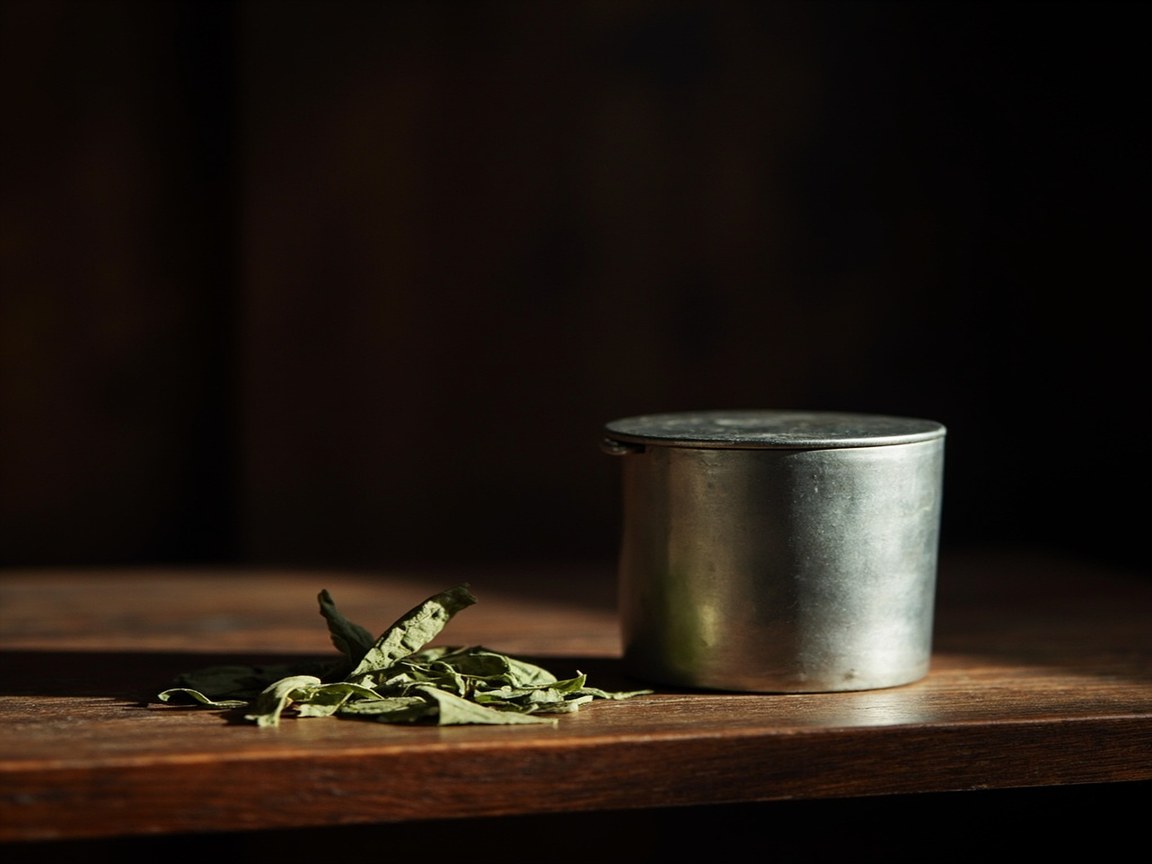
Storage is a fitted tin, a dark pantry, and a few weeks — not the fridge. Finish the opened leaf while the chestnut still answers.
Ritual
Daily cup, not a 21-step gongfu class. Gongfu is the tradition map. This page is five beats that match the steps on the article.
- Warm the vessel. Pour about 80 °C water into a glass gaiwan or tall glass, then discard. The warm glass keeps the first steep from collapsing.
- Add the leaves. Measure 2–3 g. The flat spears will sit on the surface for a second, then sink. That pause is normal.
- Pour and steep. Water at 75–80 °C, about 200 ml, 60–90 seconds for the first infusion. Ratio is 2–3 g per 100 ml if you scale the pot. Brew a Ming Qian West Lake lot at $19.97 the first week you own it, while the chestnut is still loud.
- Decant. Pour the liquor out. Leave the leaves in the vessel. The first steep is the sweet one.
- Re-steep 3–4 times. Add 15–30 seconds each round. Stop when the cup goes flat.
Boiling water is the usual way people decide they “don’t like Dragon Well.” Classroom tables for all greens live in the green-tea brewing guide. Use that page for a parameter chart. Use this page for the leaf. If you only remember one number, remember 75–80 °C and a short first steep. The water-temperature note is the same job in more detail.
A weekday pot can be the FullChea Dragon Well at $14.99 — same glass, same clock, less museum pressure.
Mistakes, shorter:
- Boiling water. It scorches the leaf into grass and bite.
- Too much leaf (well past 3 g per 100 ml). The cup turns stew-y.
- A first steep over two minutes. Pull the liquor sooner.
- The fridge. Moisture cycling beats a cool dark pantry.
- A tin with no West Lake line and no harvest window. You bought a shape.
Finish the opened tin. Don’t stash wet leaves in the fridge between sessions. Lid on, pantry, drink it while it still answers.
Benefits
Composition, not a clinic note. A 200 ml cup from about 3 g of leaf sits in a 25–50 mg caffeine range on this site [6]. Leaf amount, temperature, and time still move the cup [4]. Those figures describe the beverage. They are not a serving instruction.
Green tea leaves also carry catechins and theanine. Longjing’s flavonoid profile changes with cultivar, origin, and storage [2]. That is chemistry of the leaf, not a reason to buy Longjing as a capsule. This variety page is not a wellness list, and it does not rank teas by lab score.
If you want the mg chart and the brew variables in one place, use caffeine by tea type. Site-wide wording on health information sits in the terms [5]. Read that if you arrived here from a search that wanted a supplement page.
If you want a plain West Lake leaf to taste against those numbers, Dragonwell Yu Qian at $37.97 is still just tea. Harvest and water will still move the cup more than any citation.
The Mind of Longjing
Longjing is a household map, not a museum label. Watch the flat spears unfurl in glass, keep water under a boil, and trust chestnut over a QR sticker. Shi Feng and Mei Jia Wu name places on one lake, not any pan-fired green. Finish the tin while the aroma still answers. The leaf already knows the ritual. You only have to pour.
References
[1] Longjing tea. Wikipedia. https://en.wikipedia.org/wiki/Longjing_tea
[2] Yu XL, Li J, Yang Y, Zhu J, Yuan H, Jiang Y. Comprehensive investigation on flavonoids metabolites of Longjing tea in different cultivars, geographical origins, and storage time. Heliyon. 2023;9(6):e17305. https://doi.org/10.1016/j.heliyon.2023.e17305 · https://pmc.ncbi.nlm.nih.gov/articles/PMC10329133/
[3] GB/T 18650-2008. Product of geographical indication — Longjing tea. Catalog listing (English title page): https://www.chinesestandard.net/PDF/English.aspx/GBT18650-2008
[4] U.S. Food and Drug Administration. Spilling the Beans: How Much Caffeine is Too Much? Consumer Update. https://www.fda.gov/consumers/consumer-updates/spilling-beans-how-much-caffeine-too-much
[5] TeaWithMind. Wellness and health information. https://www.teawithmind.com/terms/#wellness-health-information
[6] U.S. Department of Agriculture. FoodData Central. https://fdc.nal.usda.gov/