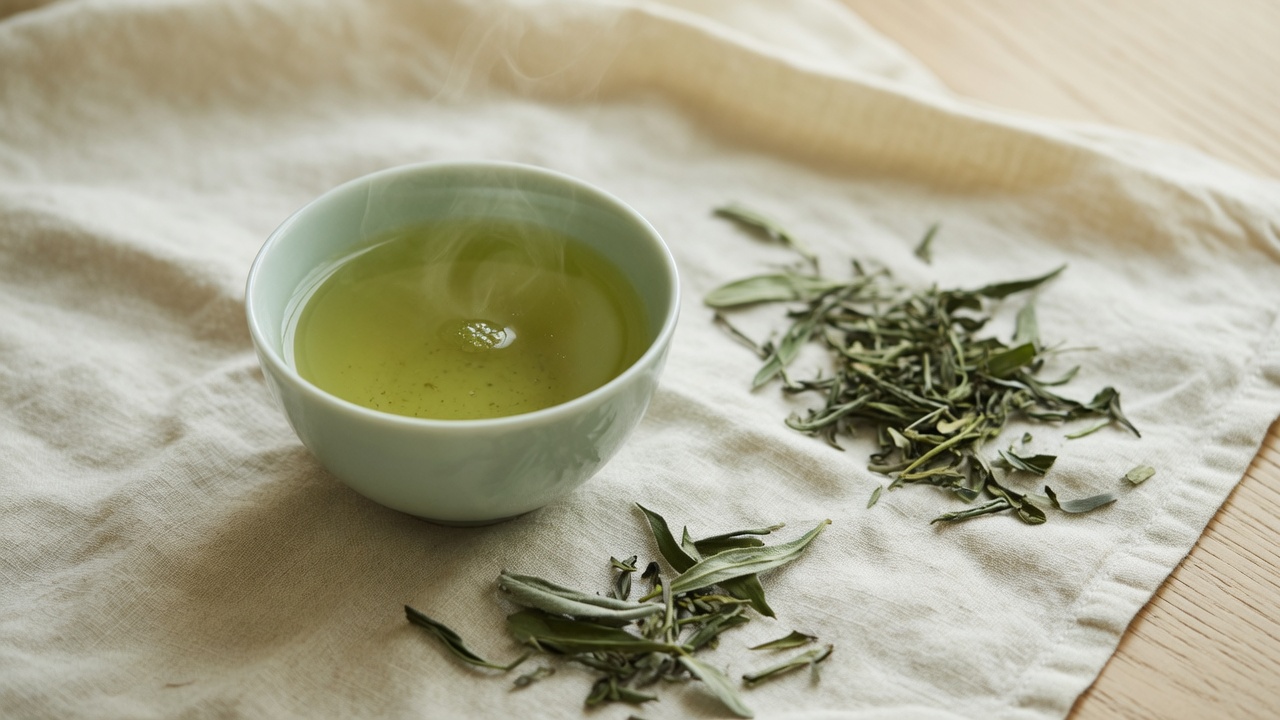
Brew with intention
From the first calm steep to the moments that call for tea — special cups, occasions, and how each leaf asks to be brewed.
01 · First cup
Start here
Before you specialize, learn one universal steep: heat the water, measure the leaf, pour, wait, and taste. That rhythm underpins gongfu, a Western pot, and every whisked cup that follows.
Leaf and vessel appear inside the steps; for depth on either, we open Varieties and Teaware.
- 01 Heat
- 02 Measure
- 03 Pour
- 04 Wait
- 05 Taste
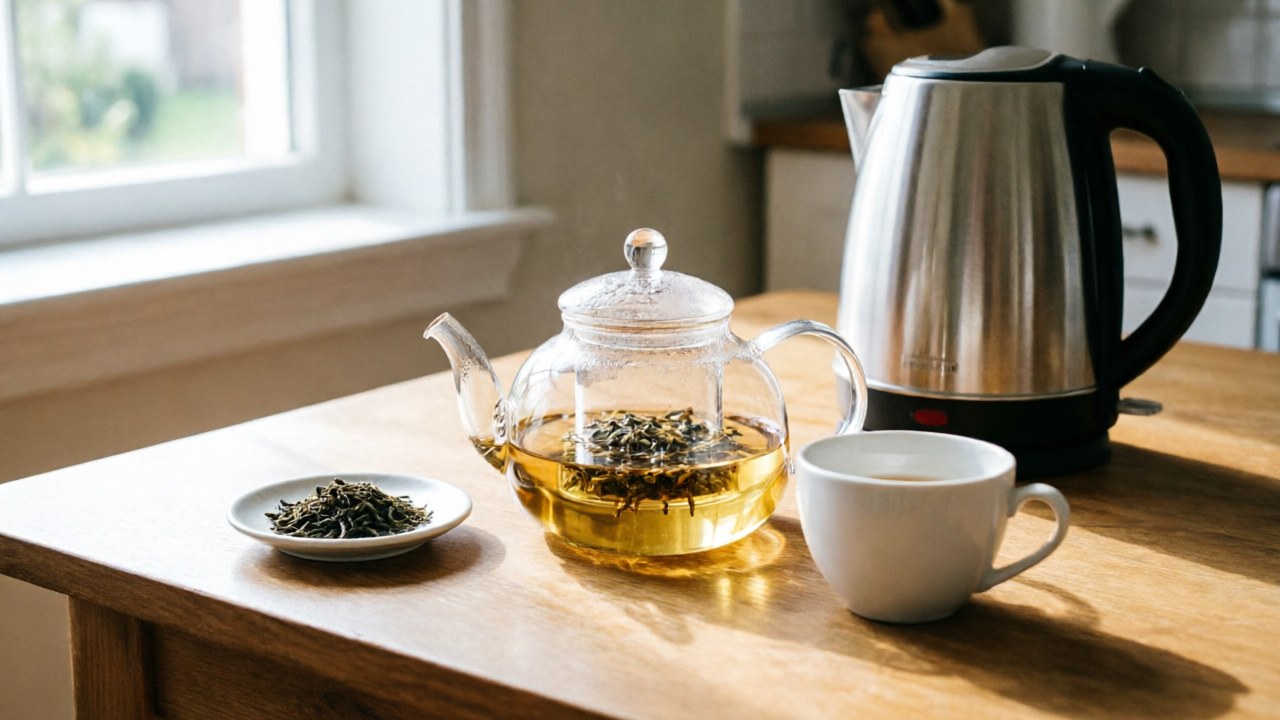
How to Brew Tea: The First Cup System
How to brew tea with a first-cup system — vessel choice, leaf-to-water ratio, Western steps, and one practice leaf before the next tin.
Open the guide- Live
Tea Water Temperature Guide: Chart + No-Kettle Methods
Tea water temperature chart by type plus how to hit the right degree without a variable kettle — bubble cues, altitude fixes, and common mistakes.
- Live
Tea to Water Ratio: A Guide by Brewing Method & Tea Type
Leaf-to-water ratio reference for green, black, oolong, white, and pu-erh tea — Western, gongfu, and cold brew ratios plus measurement tools.
- Live
Tea Steeping Time: Why It Changes by Type and How to Find Your Number
Tea steeping time by type-white, green, oolong, black, pu-erh, herbal. Why oxidation changes extraction, a chart, and how to dial in taste.
02 · Special cups
Named preparations & styles
Techniques with a name of their own — lattes, cold brew, gongfu and Western rhythms. Leaf and vessel appear inside the steps; the goal is a specific cup, not a whole tea family.
-
 Live
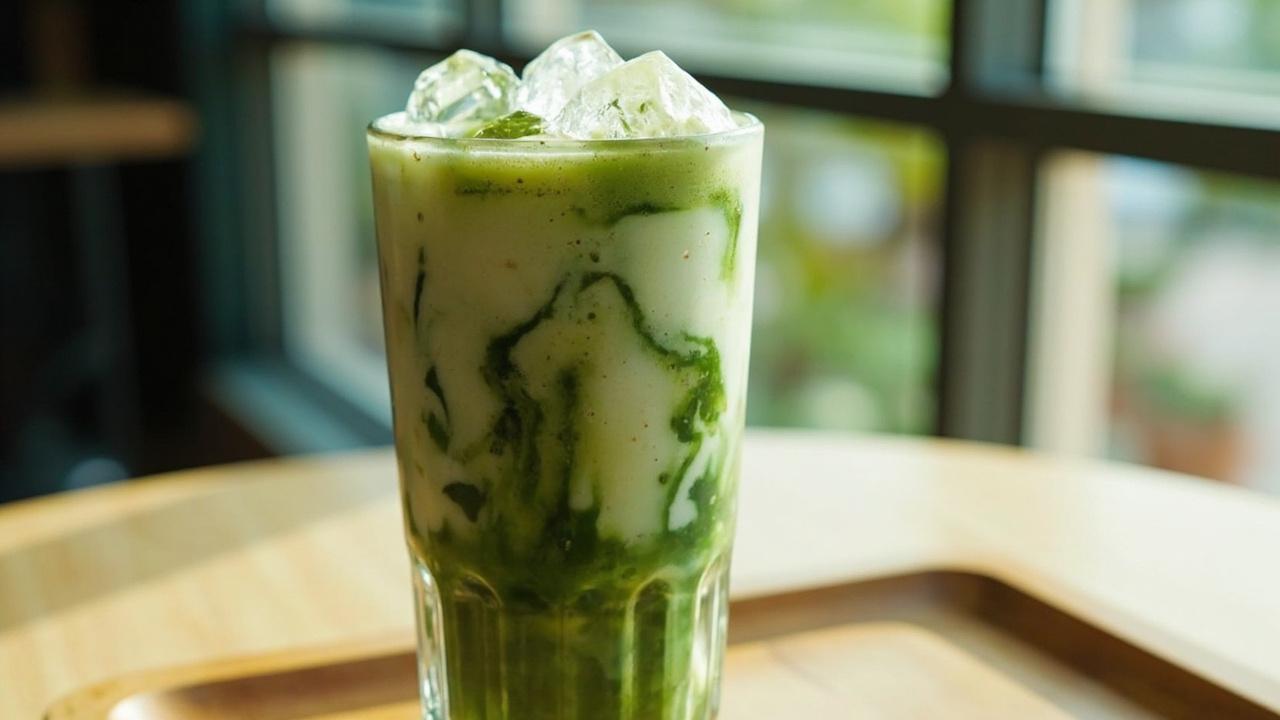
LiveMatcha Latte Recipe: 1:60 Ratio, Milk Temp & Whisk Guide
Matcha latte recipe with the 1:60 ratio, 80°C water temp, 60°C milk temp, and whisk technique. Step-by-step hot and iced methods plus gram dosage.
-
 Planned · gongfu-vs-western
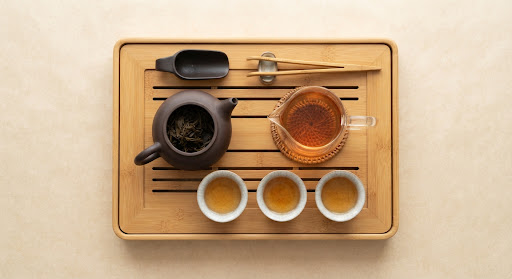
Gongfu vs Western brewing
Two rhythms of time and vessel — when to choose skillful short steeps or a calm daily pot.
-
 Live
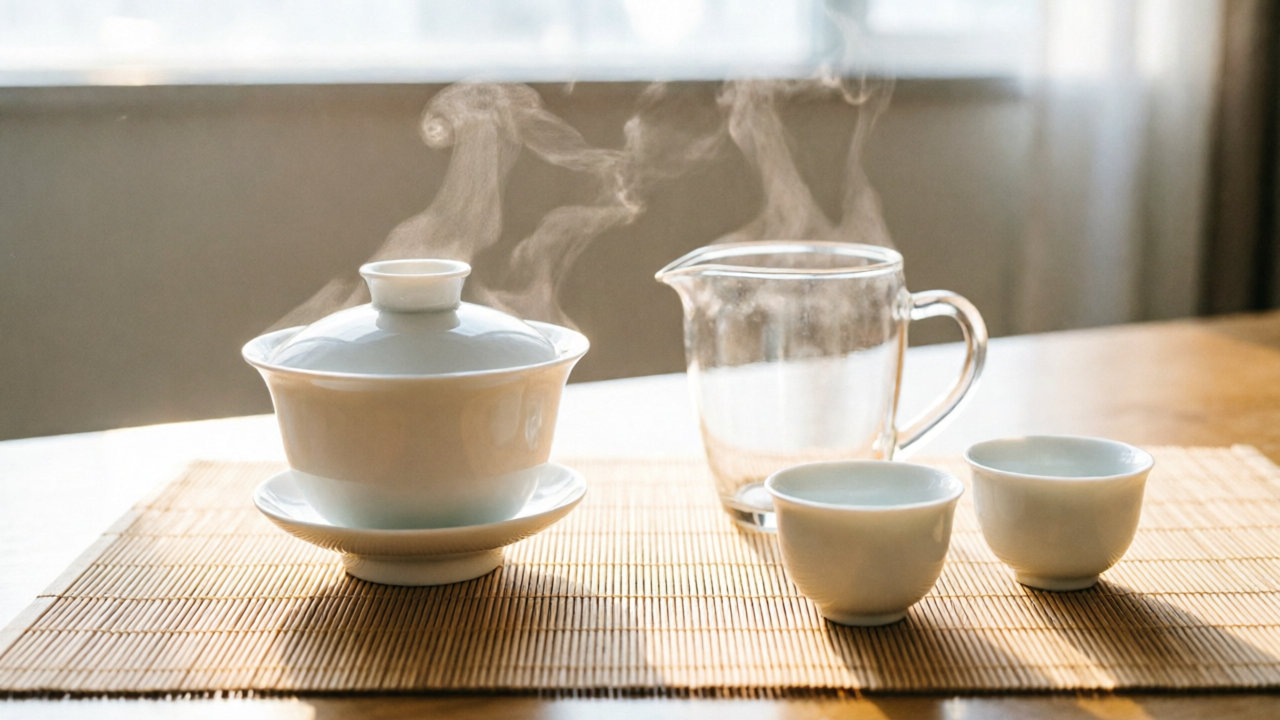
LiveGongfu Brewing Basics: Equipment, Ratios, and Technique
Gongfu brewing guide — equipment, leaf ratio, water temperature, steep timing, and per-type parameters for multi-infusion home practice.
-
 Live
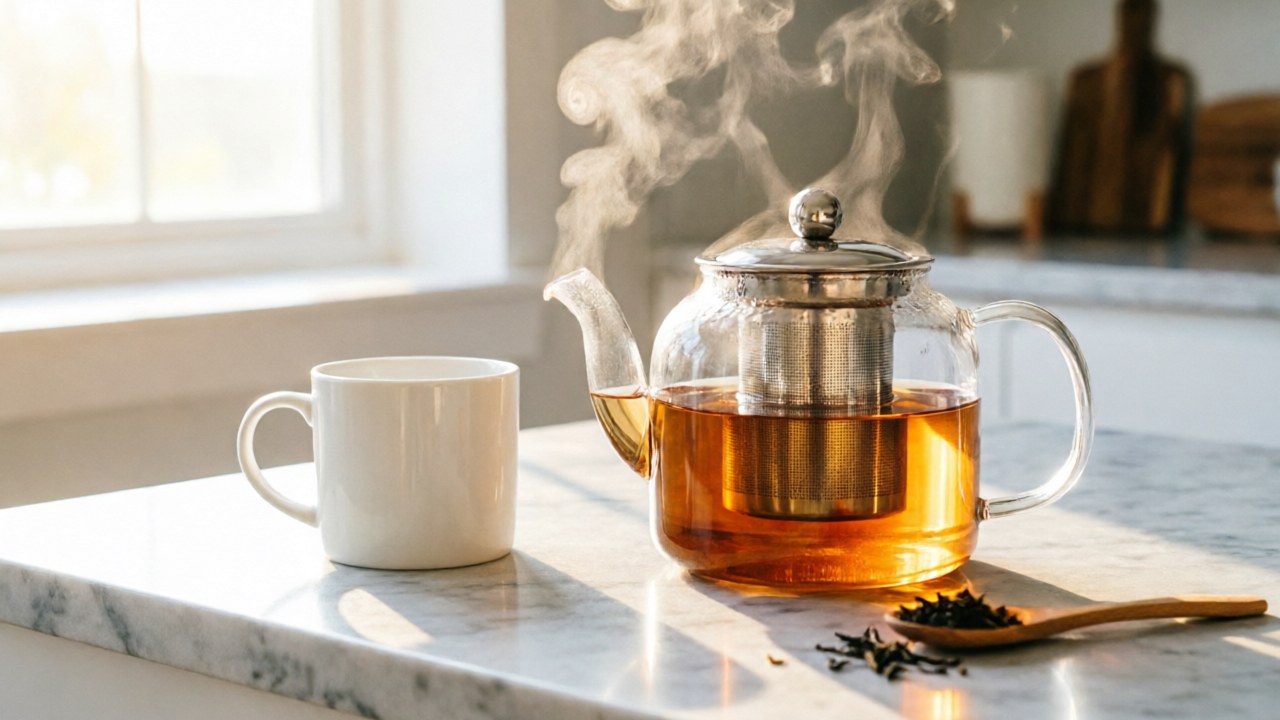
LiveWestern Steeping: The Everyday Method for Loose-Leaf Tea
Western steeping uses a lower leaf ratio and longer steep times for a quick, consistent cup — the ratio, times by tea type, and gear you need.
-
 Live
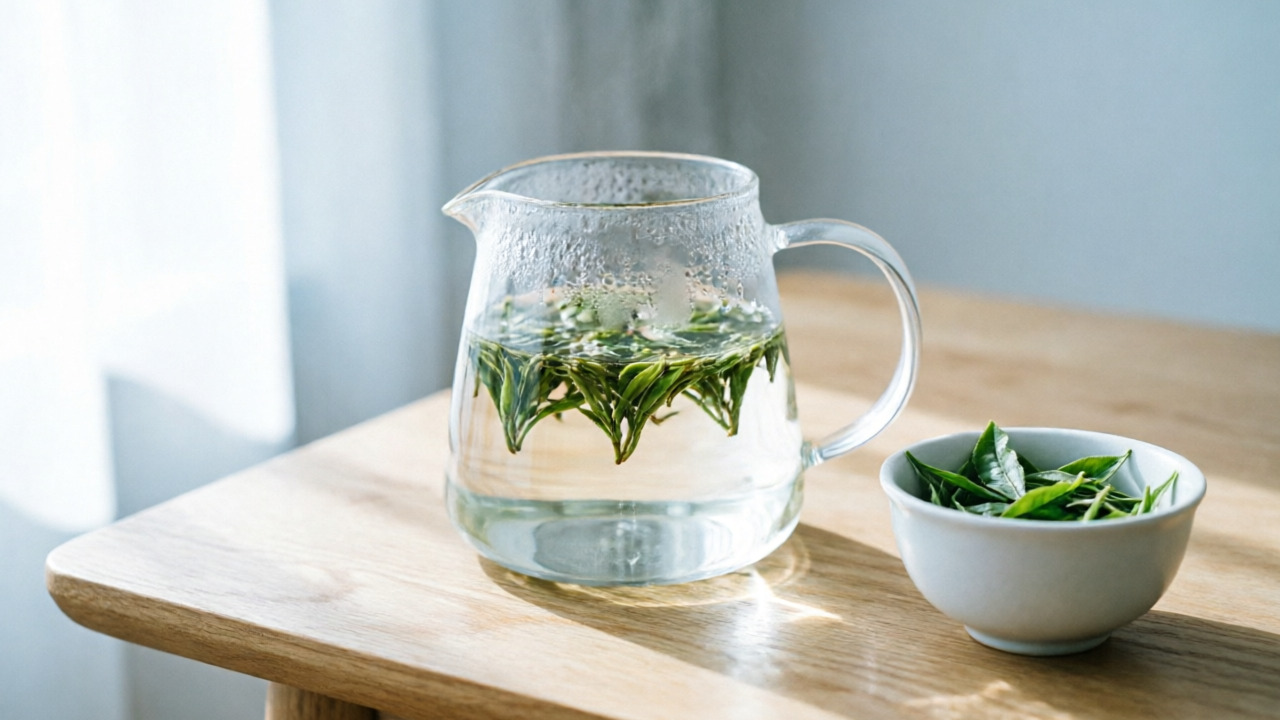
LiveCold Brew Tea: The Mind of Slow-Steeped Refreshment
Cold brew tea guide — Japanese mizudashi tradition, leaf-to-water ratios, steeping times for every tea type, and the gear you need.
-
 Live
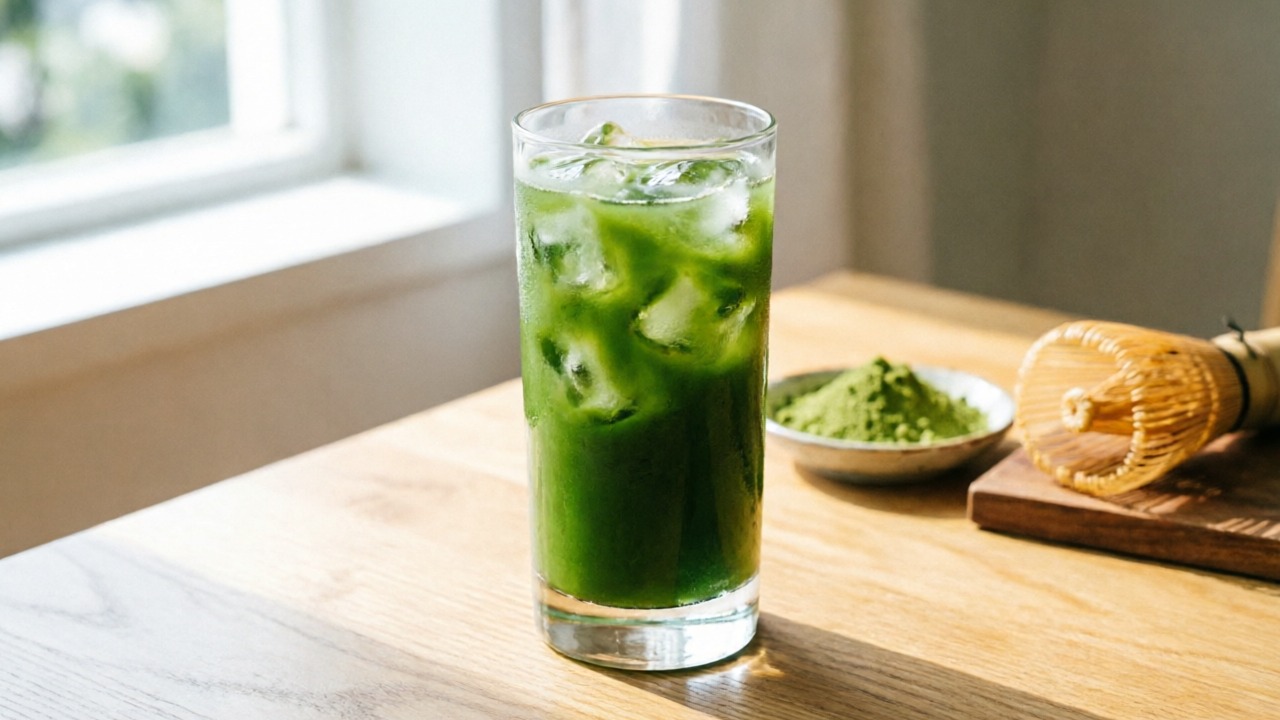
LiveIced Matcha: Grade, Shake, Layer, and the Cool Cup
How to brew iced matcha — ceremonial vs culinary grade, the 30-second shaken method vs whisked layering, milk options, and the science of ice dilution.
-
 Live
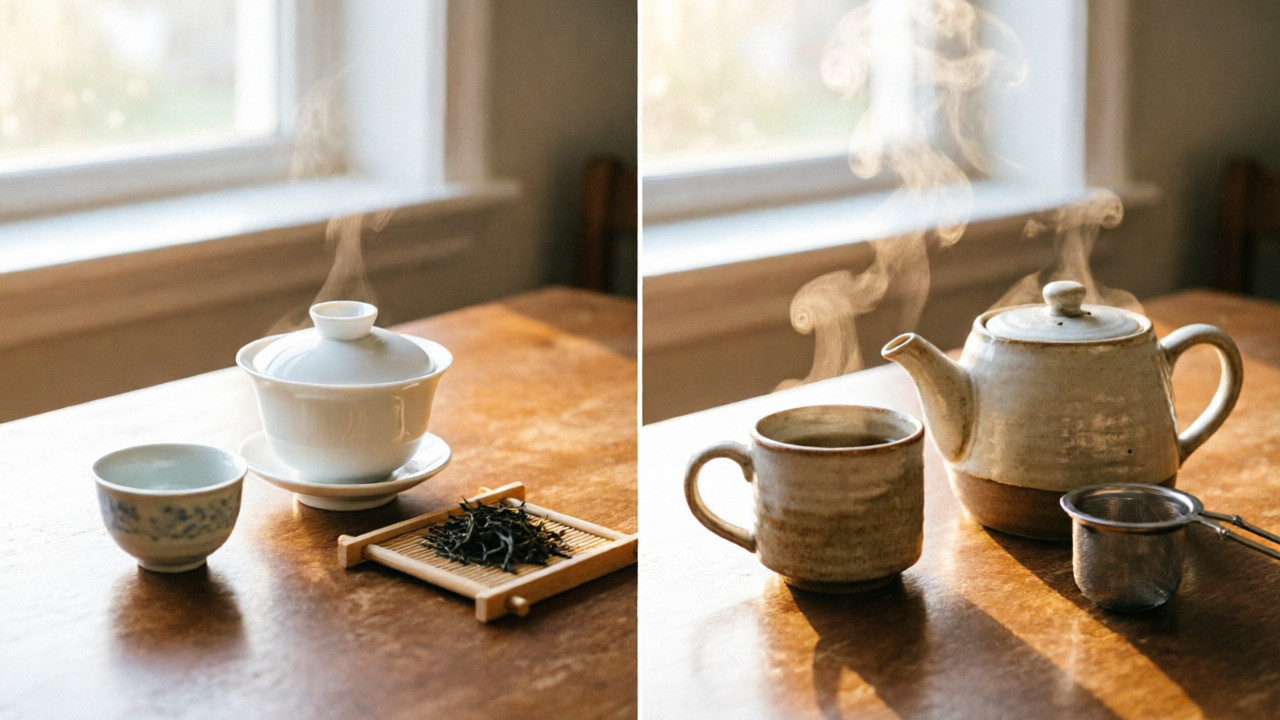
LiveGongfu vs Western Brewing: Equipment, Technique, and When to Choose Each
Gongfu vs western brewing comparison — equipment, leaf ratio, temperature, steep time, flavor profile, cost, and when to choose each method.
-
 Live
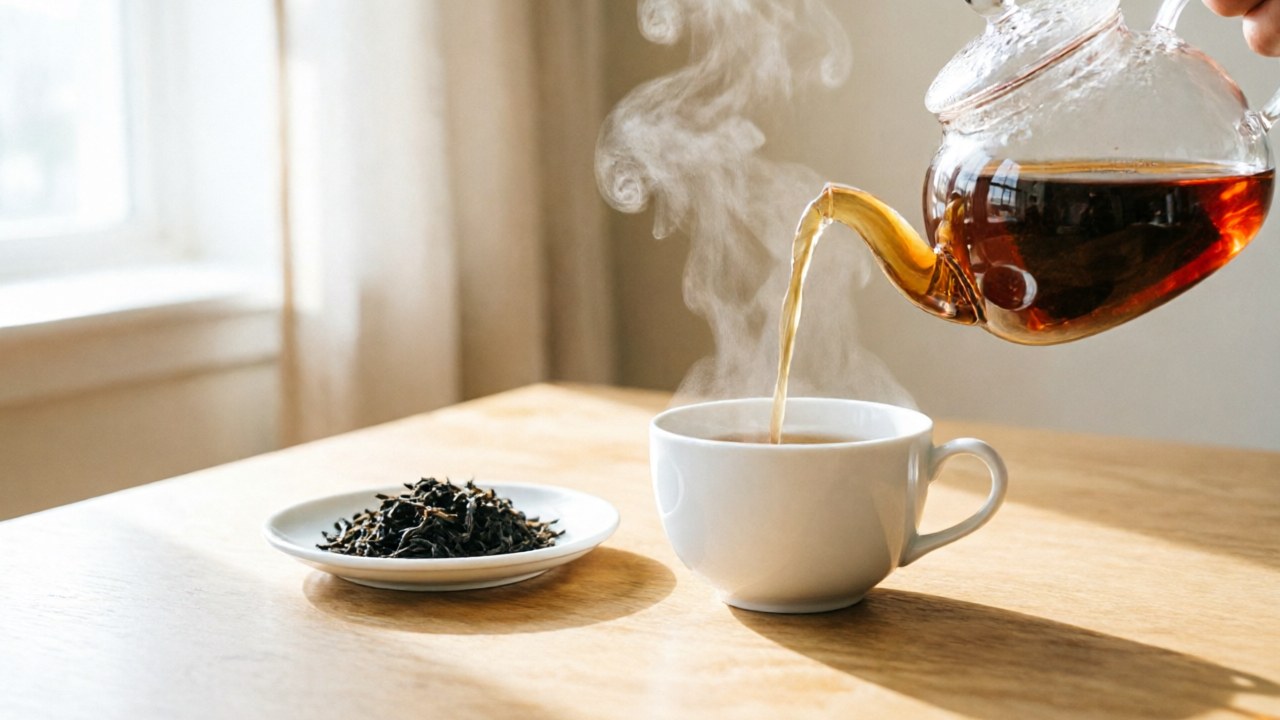
LiveHow to Brew Black Tea: Heat, Ratio, and the Western–Gongfu Split
Black tea by subtype — Assam, Darjeeling, Keemun, Lapsang, Dianhong. Western vs gongfu methods, water temperature, ratio, and steeping time.
-
 Live
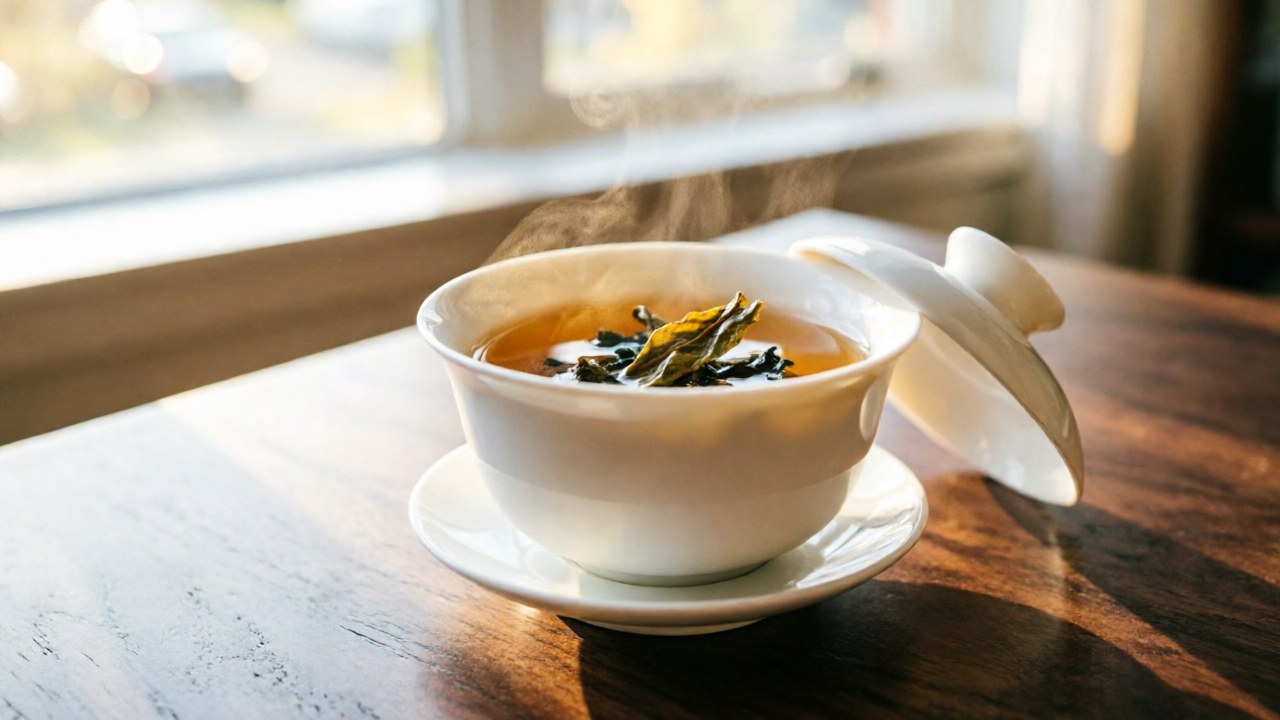
LiveHow to Brew Oolong Tea: Shape, Roast & Gongfu vs Western
Brew oolong by leaf shape and roast level — gongfu vs Western steep times, Tieguanyin and Da Hong Pao parameters, and how many times to re-steep.
-
 Live
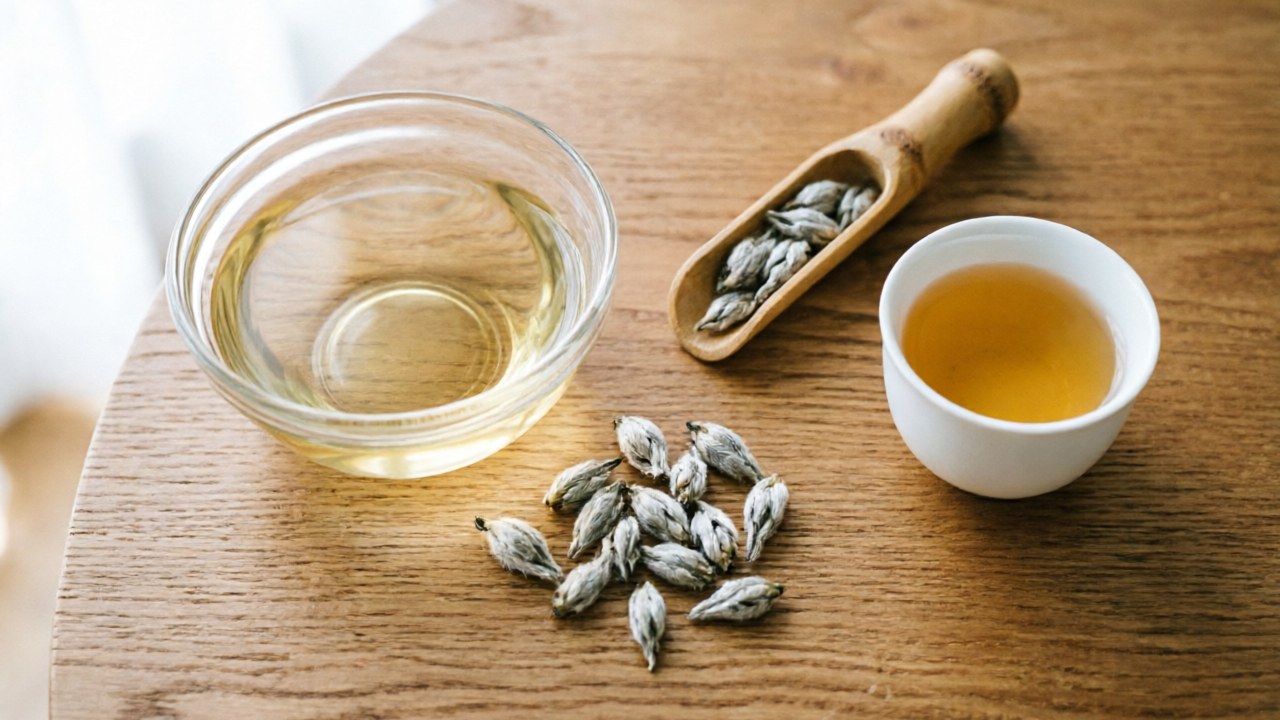
LiveHow to Brew White Tea: Silver Needle & Bai Mu Dan Guide
Brew white tea by variety — Silver Needle at 75°C, Bai Mu Dan at 85°C — with gram ratios, steep times, gongfu and Western methods, and re-steep rules.
-
 Live
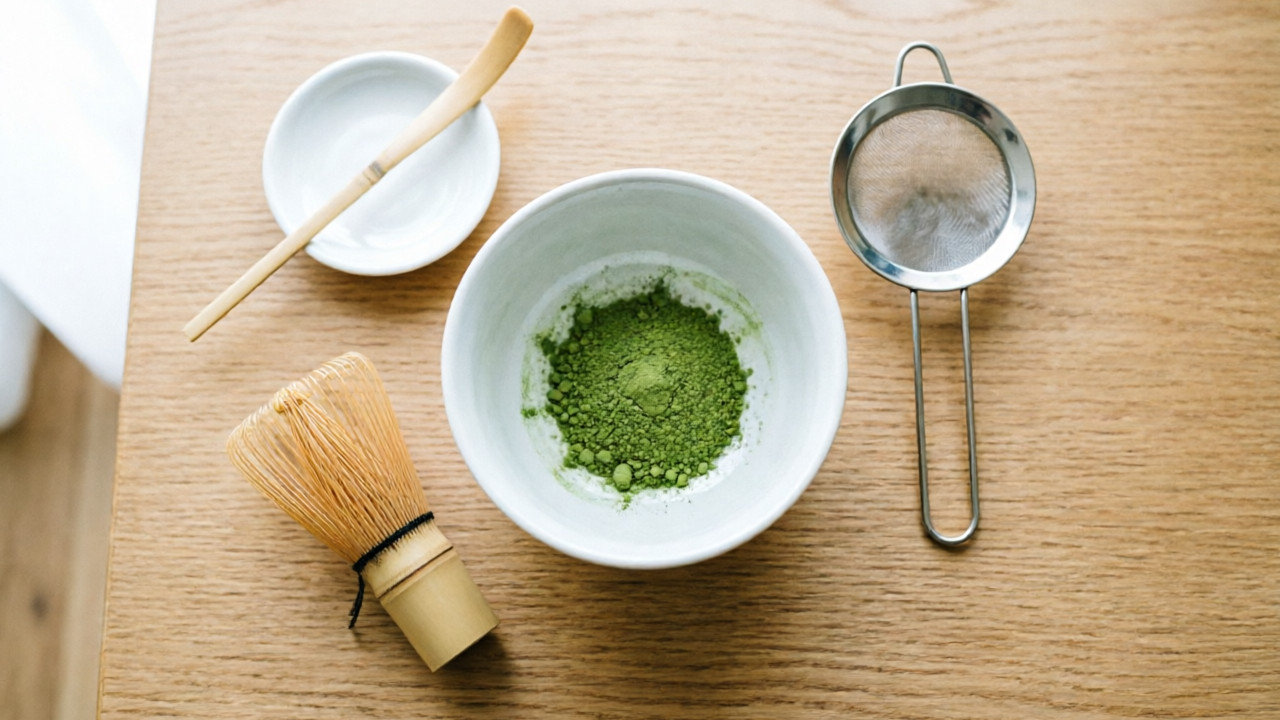
LiveHow to Make Matcha: Traditional Usucha Brewing with Chasen and Chawan
Learn to make traditional usucha (thin matcha) at home - sifting, 80 °C water, the W-motion whisk, and the difference between usucha and koicha.
-
 Live
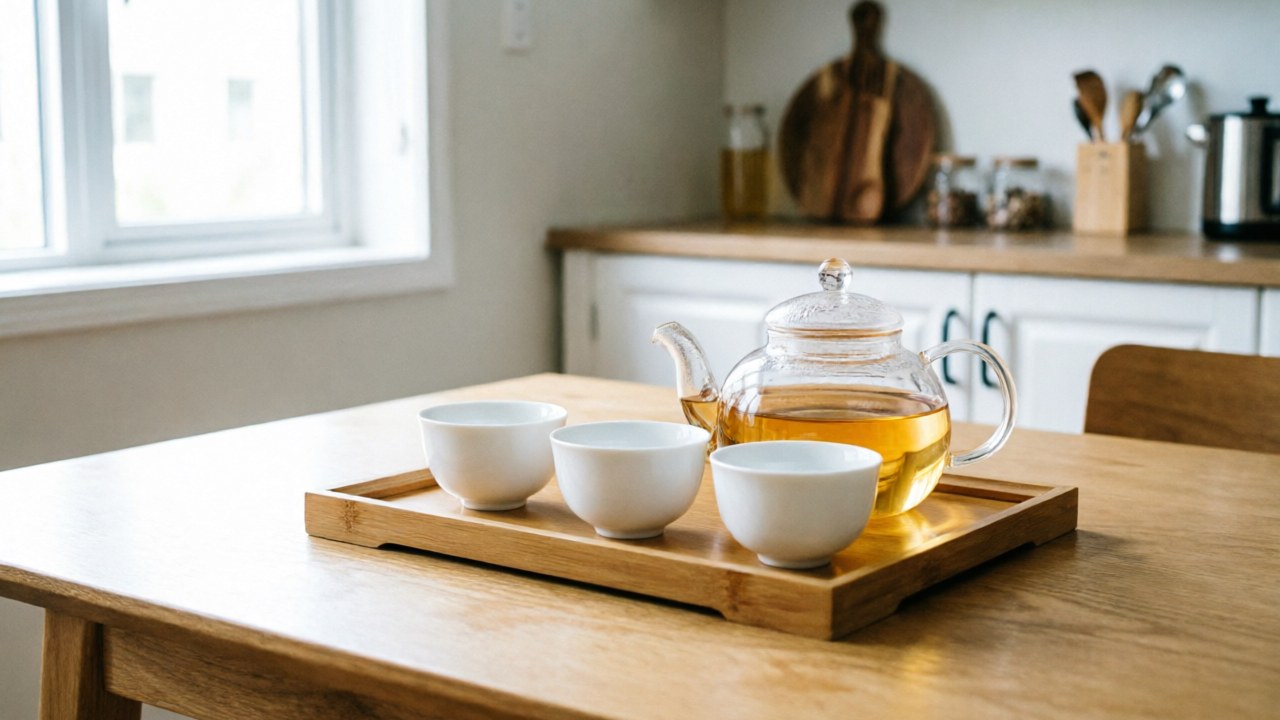
LiveTea for Business & Hosting: A Practical Host System
Serve tea to clients and home guests with a host system: pick a mode, choose leaf by occasion, set up by guest count, and keep timing while people talk.
-
 Live
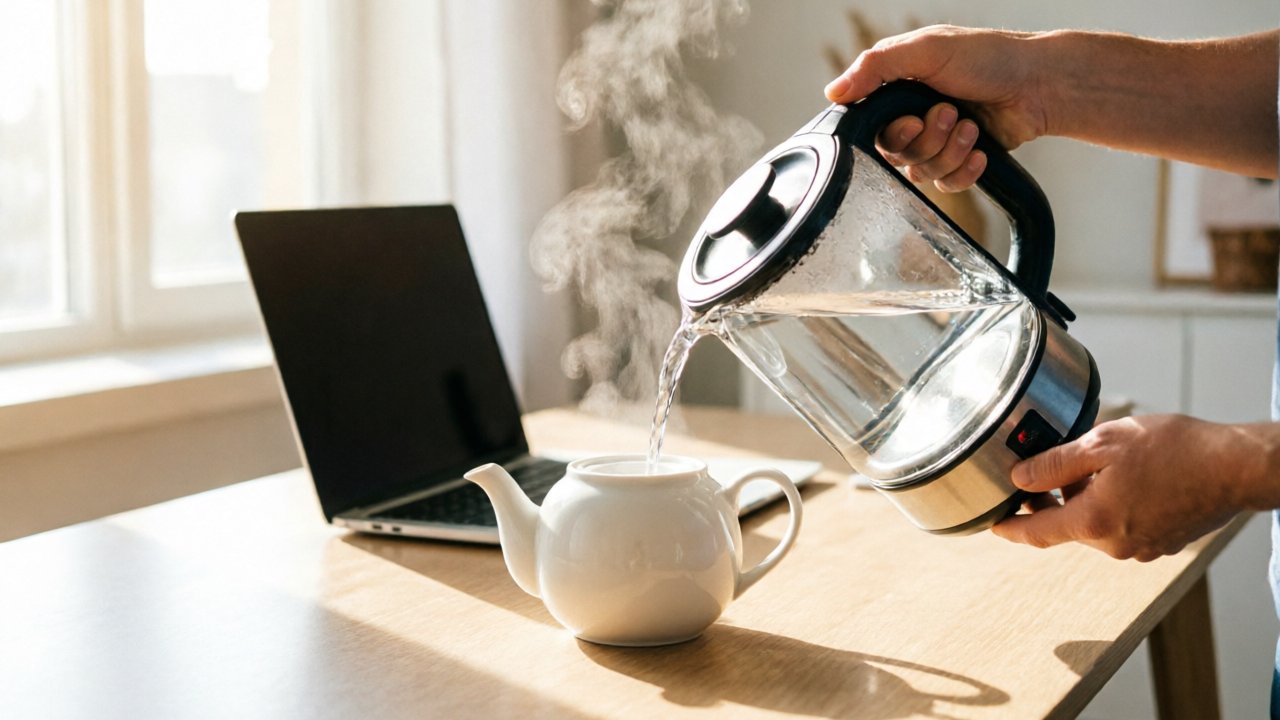
LiveTea for Focus: A Desk Ritual for Concentration Without the Crash
A single-cup focus system: pick the right leaf, dose for a 2-4 hour focus window, and brew at your desk without ceremony or coffee crash.
-
 Live
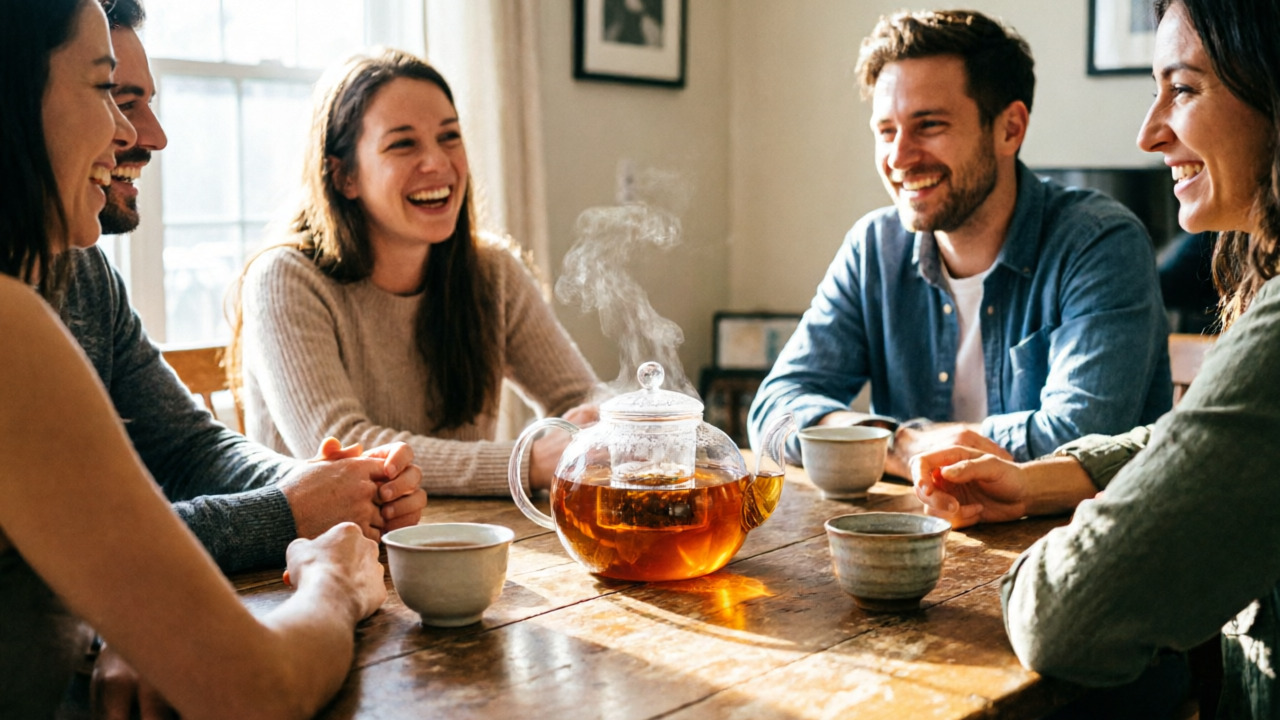
LiveTea for Gatherings: How to Brew for Friends Without the Formality
Brew tea for a group without the fuss — choose your mode, pick crowd-friendly leaves, set up a simple table, and let the tea do the hosting.
-
 Live
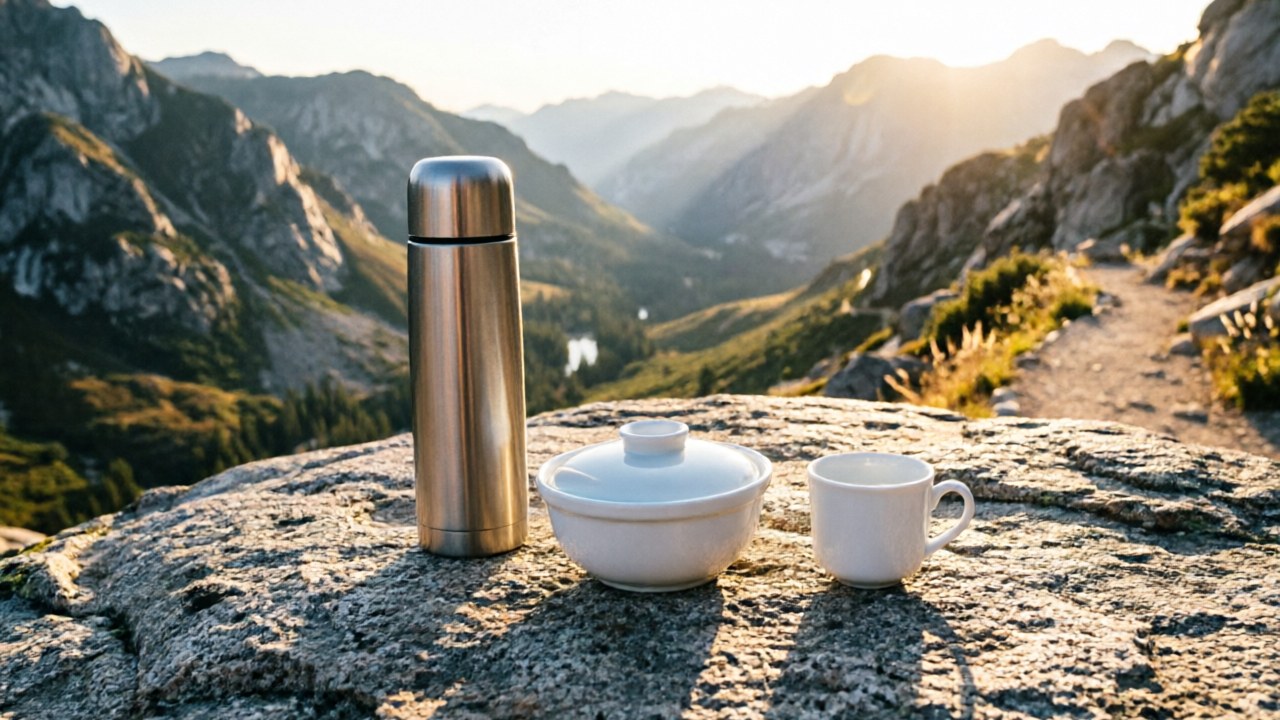
LiveTea for the Outdoors: A Trail-Ready Brewing System
Brew real tea on the trail — thermos pre-steep, mug-top infuser, or portable gongfu. Pick your method, pack by trip type, choose forgiving leaves.
-
 Live
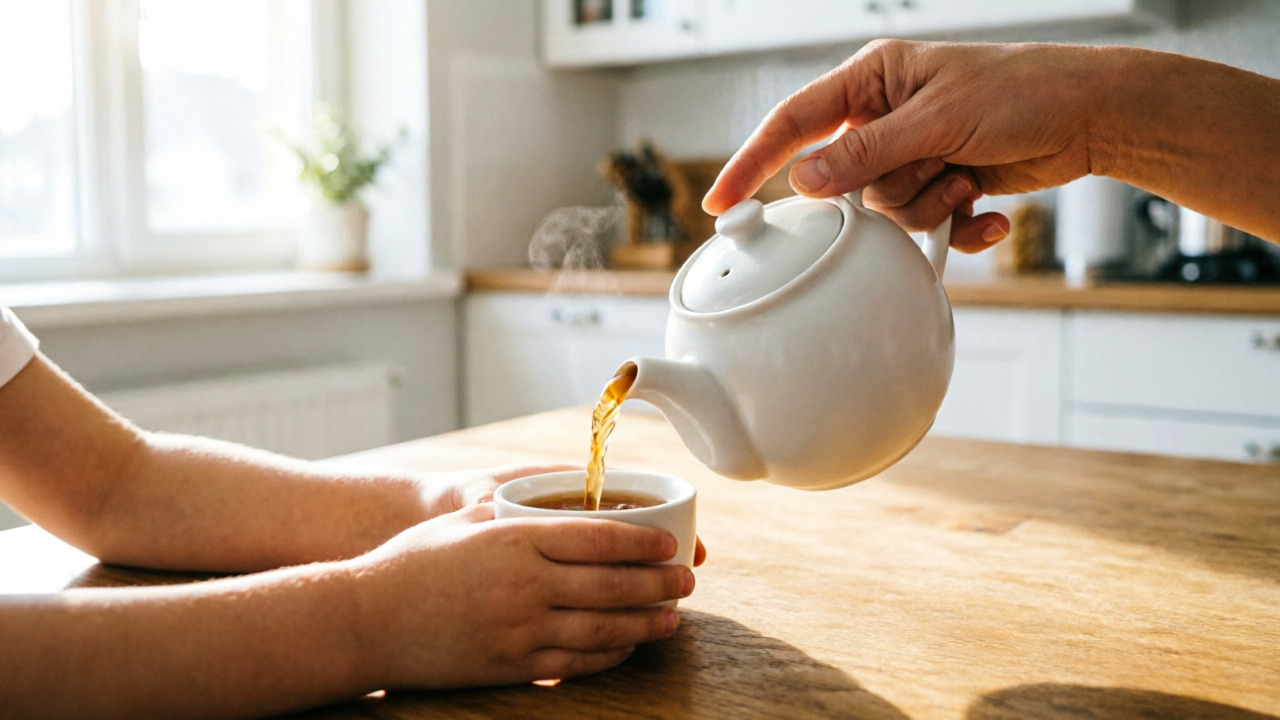
LiveTea with Children: A Brewing Ritual for Curious Hands
Brew tea with kids using caffeine-free leaves, safe temperatures, and sensory steps — a hands-on ritual that turns tea time into bonding.
03 · Occasions
Tea for the moment
Not only how to steep — but what to choose and how to serve when the room has a purpose: a client visit, a table of friends, a quiet desk, a day outdoors. These guides sit beside special cups, not inside them.
- Live
Tea for Business & Hosting: A Practical Host System
Serve tea to clients and home guests with a host system: pick a mode, choose leaf by occasion, set up by guest count, and keep timing while people talk.
- Live
Tea for Gatherings: How to Brew for Friends Without the Formality
Brew tea for a group without the fuss — choose your mode, pick crowd-friendly leaves, set up a simple table, and let the tea do the hosting.
- Live
Tea with Children: A Brewing Ritual for Curious Hands
Brew tea with kids using caffeine-free leaves, safe temperatures, and sensory steps — a hands-on ritual that turns tea time into bonding.
- Live
Tea for Focus: A Desk Ritual for Concentration Without the Crash
A single-cup focus system: pick the right leaf, dose for a 2-4 hour focus window, and brew at your desk without ceremony or coffee crash.
- Live
Tea for the Outdoors: A Trail-Ready Brewing System
Brew real tea on the trail — thermos pre-steep, mug-top infuser, or portable gongfu. Pick your method, pack by trip type, choose forgiving leaves.
04 · By leaf
How to brew each kind of tea
A quieter reference library: each family and the heat it prefers. Class chapters — not specialty recipes (those live under Special cups above).
-
 Gentle heat
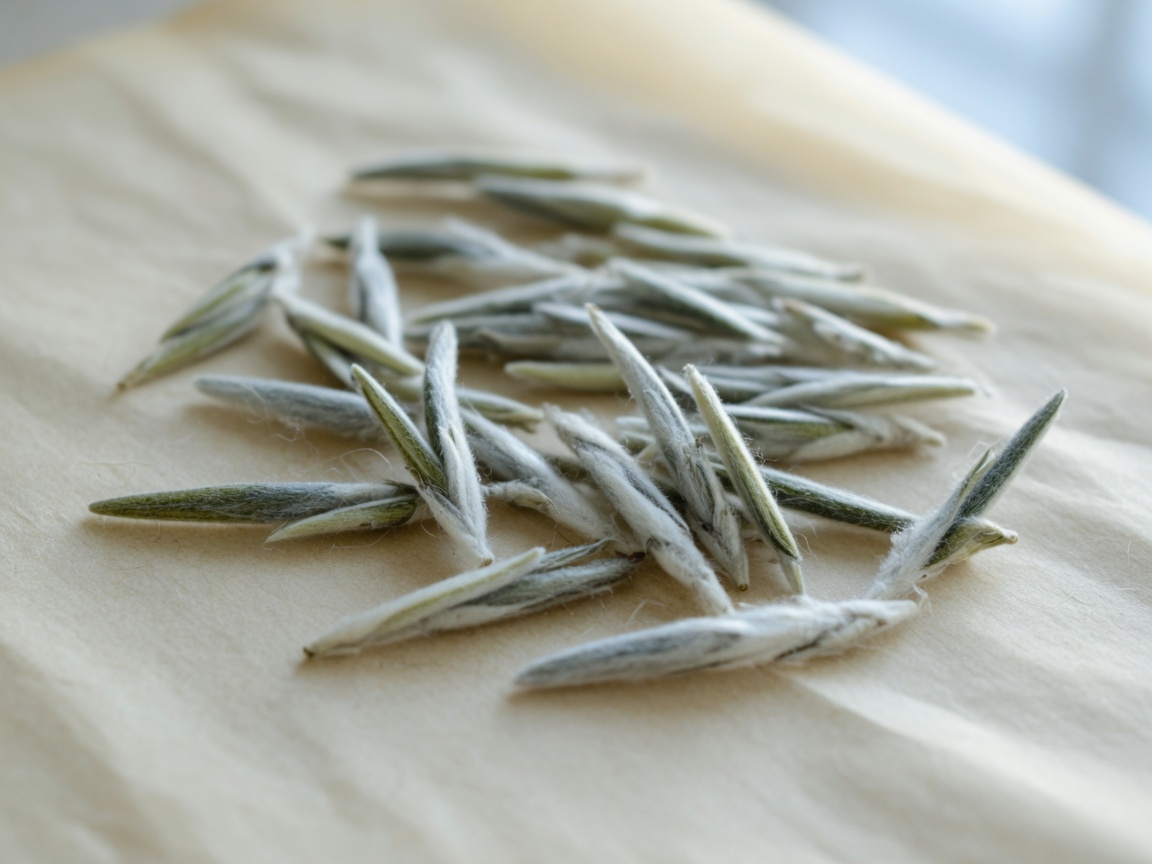
White tea
Airy leaves, cool water, patience over force.
-
 Rare & soft
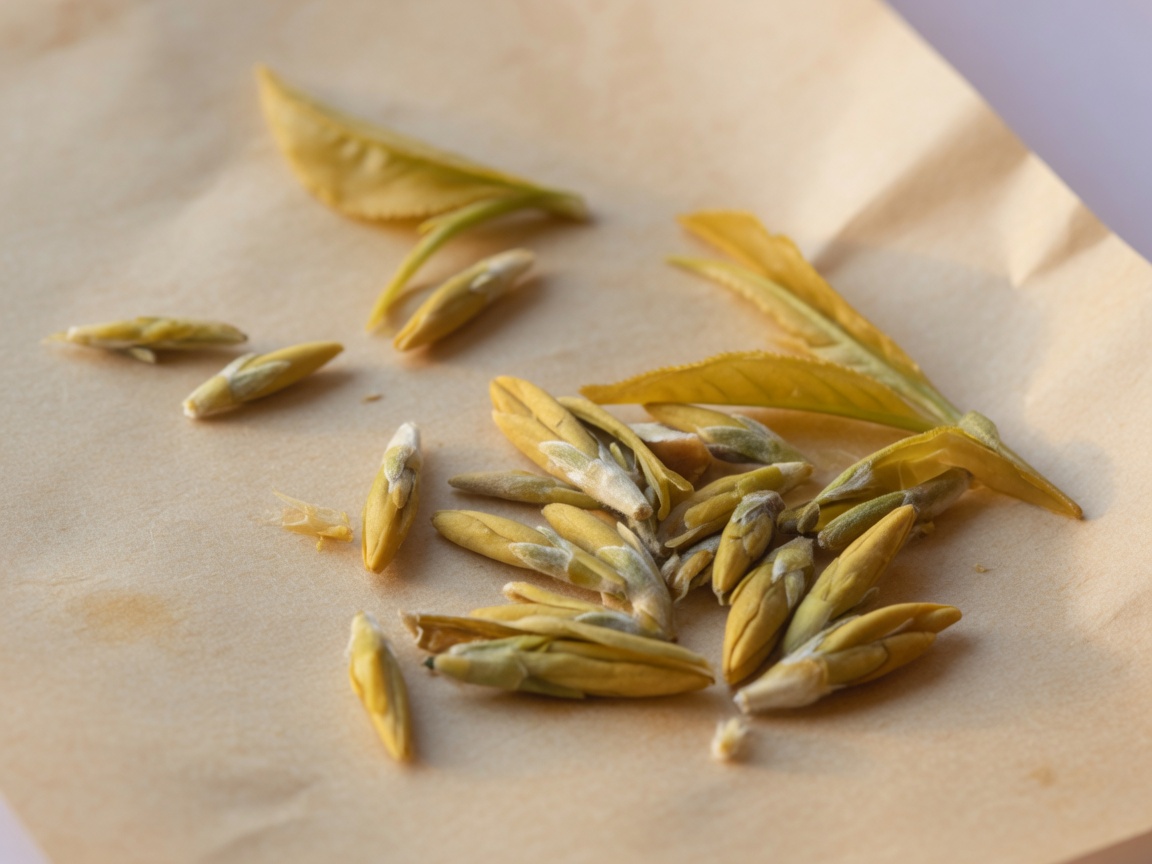
Yellow tea
Protect the yellowed sweetness — treat the leaf gently.
-
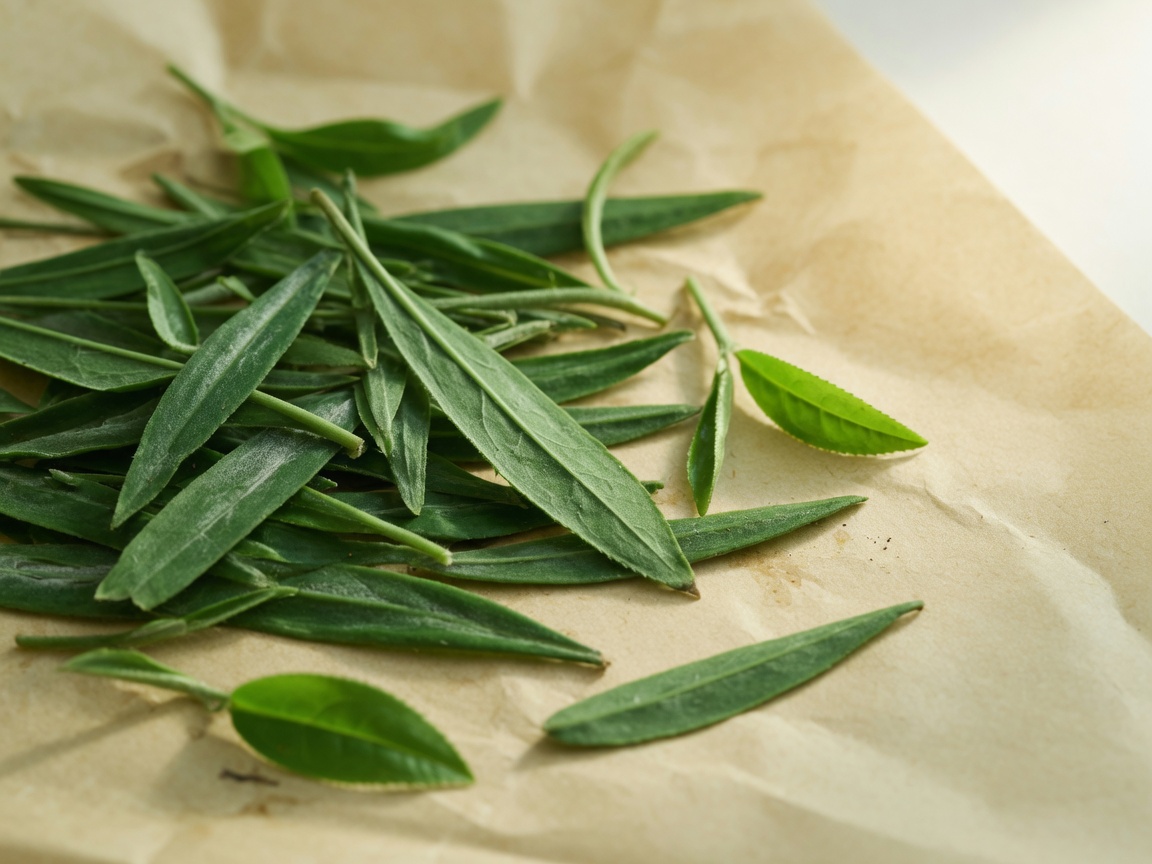 Cool water
Green tea
75–80 °C, short steeps — Longjing and the green family.
-
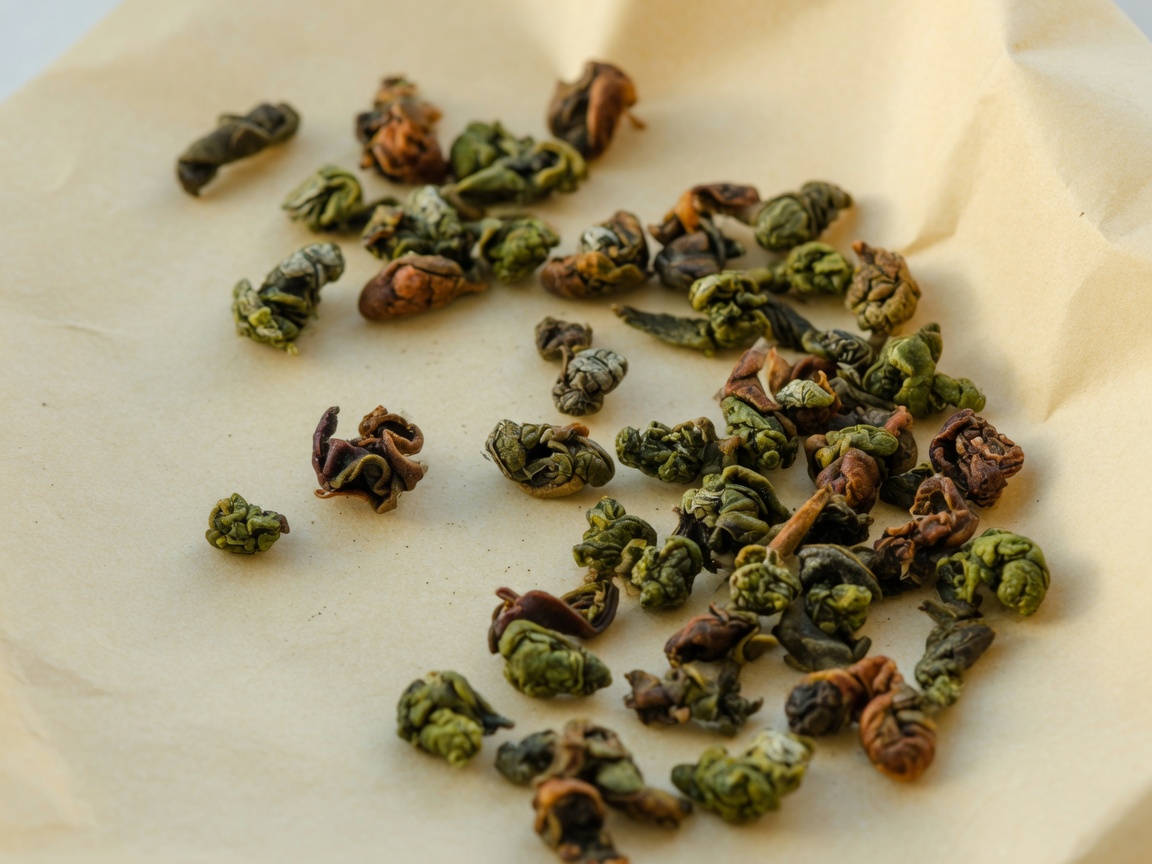 Spectrum
Oolong
Floral to roasted — temperature and vessel shift the cup.
-
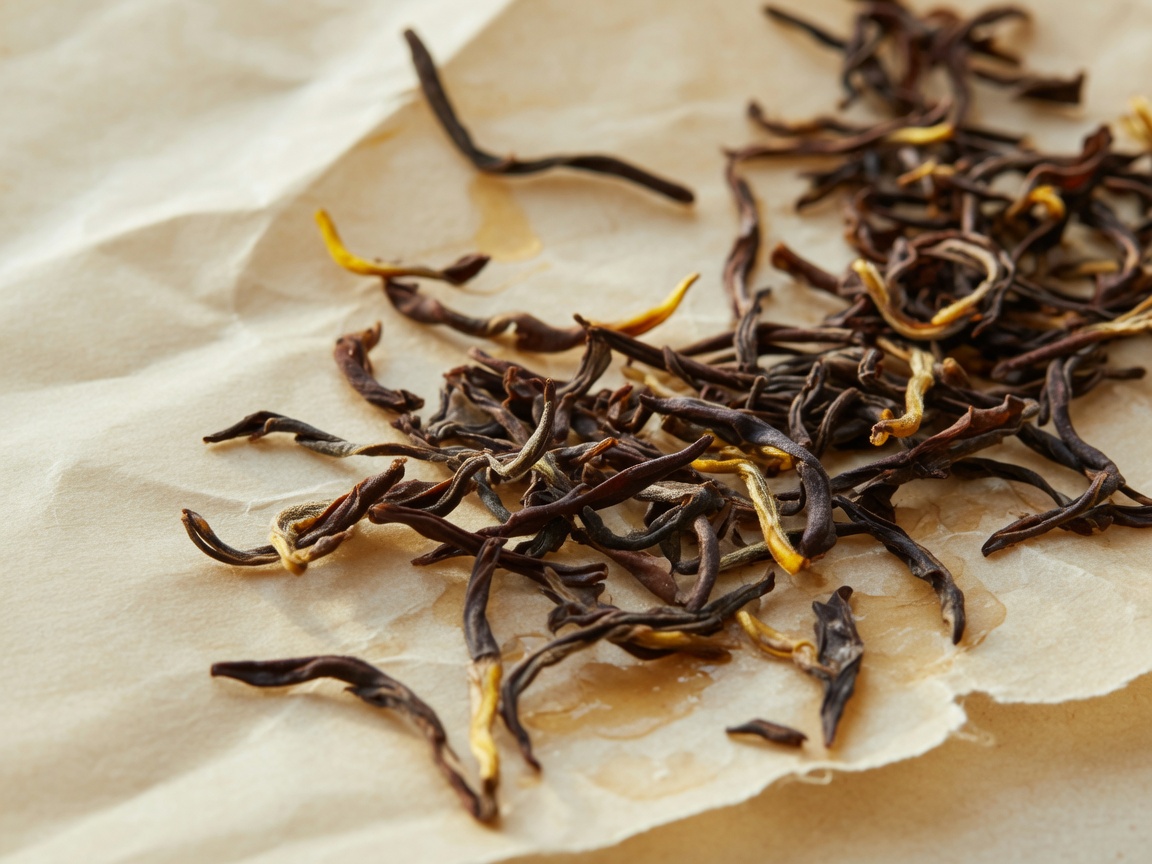 Fuller heat
Black tea
Malt, fruit, and a steadier pour than the greens allow.
-
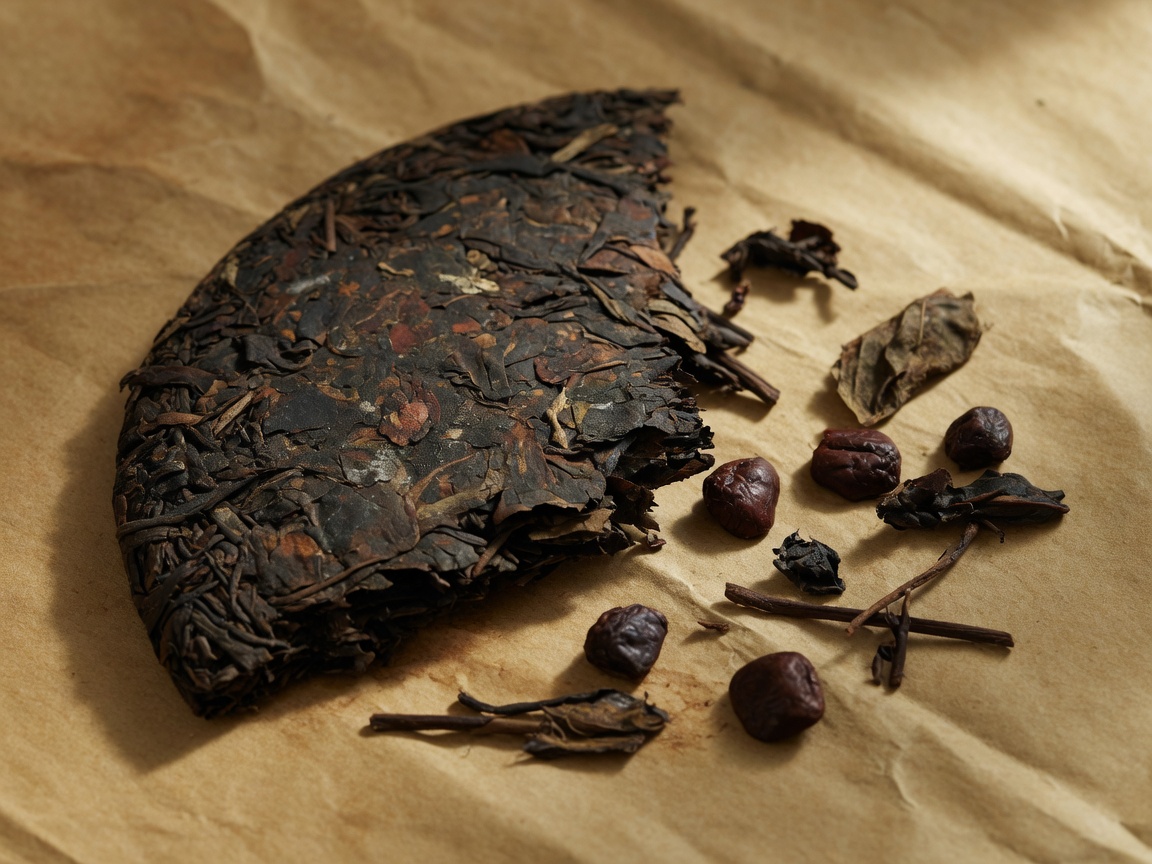 Wake the leaf
Pu-erh
Rinse, then long conversations — sheng and shou each ask differently.
-
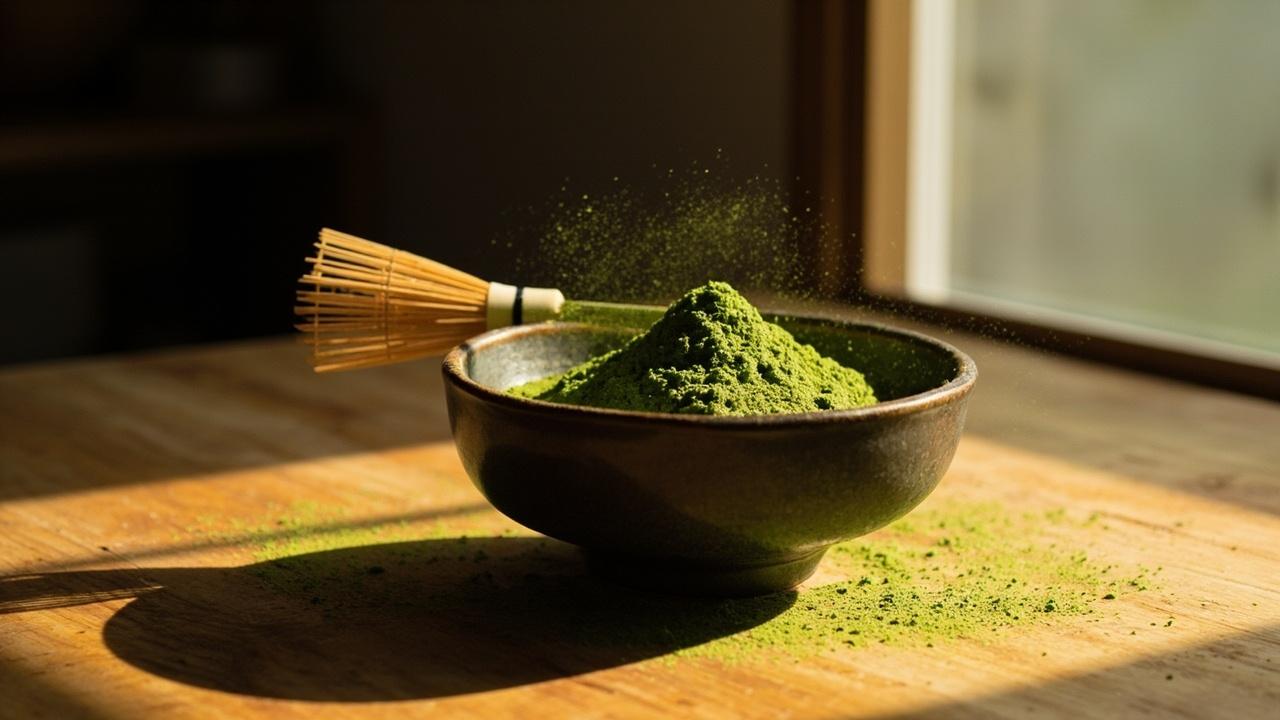 Whisked whole
Matcha
Sift, 80 °C, W-motion — the powder is the cup (not the latte).
Along the way
Leaf and vessel
Every method assumes a leaf and a vessel. We keep those libraries beside brewing — so this page stays about how to prepare the cup.
Choose the leaf
Six colors of tea — what it is, before you pour.
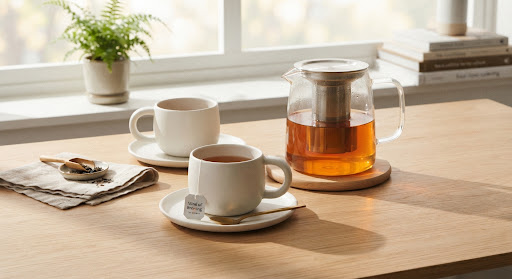
Choose the vessel
Bowl, pot, whisk — when the method is set.
Looking for the leaves and tools named in our guides?
Browse the product shelfTools
Tools for the cup
Temperature, ratio, bitter-cup fix, matcha dose, and a gongfu session ladder.
- Steeping time & water tempTemperature window and first-infusion time by tea and method.
- Brewing ratioVessel ml → leaf grams for Western or Gongfu.
- Why is my tea bitter?Short decision tree — heat, time, leaf, and how to fix the next cup.
- Matcha dose & lattePowder grams, water, and milk for usucha or latte strength.
- Gongfu session plannerLeaf, water, and a simple multi-infusion timing ladder.