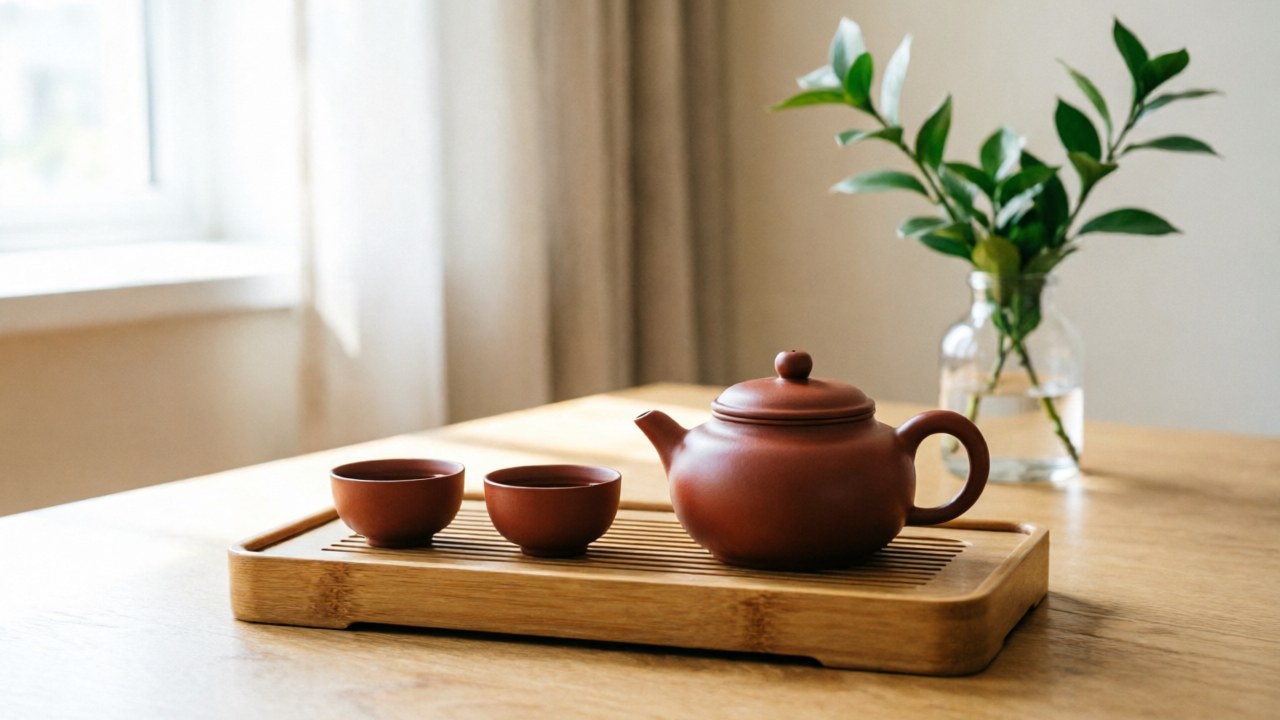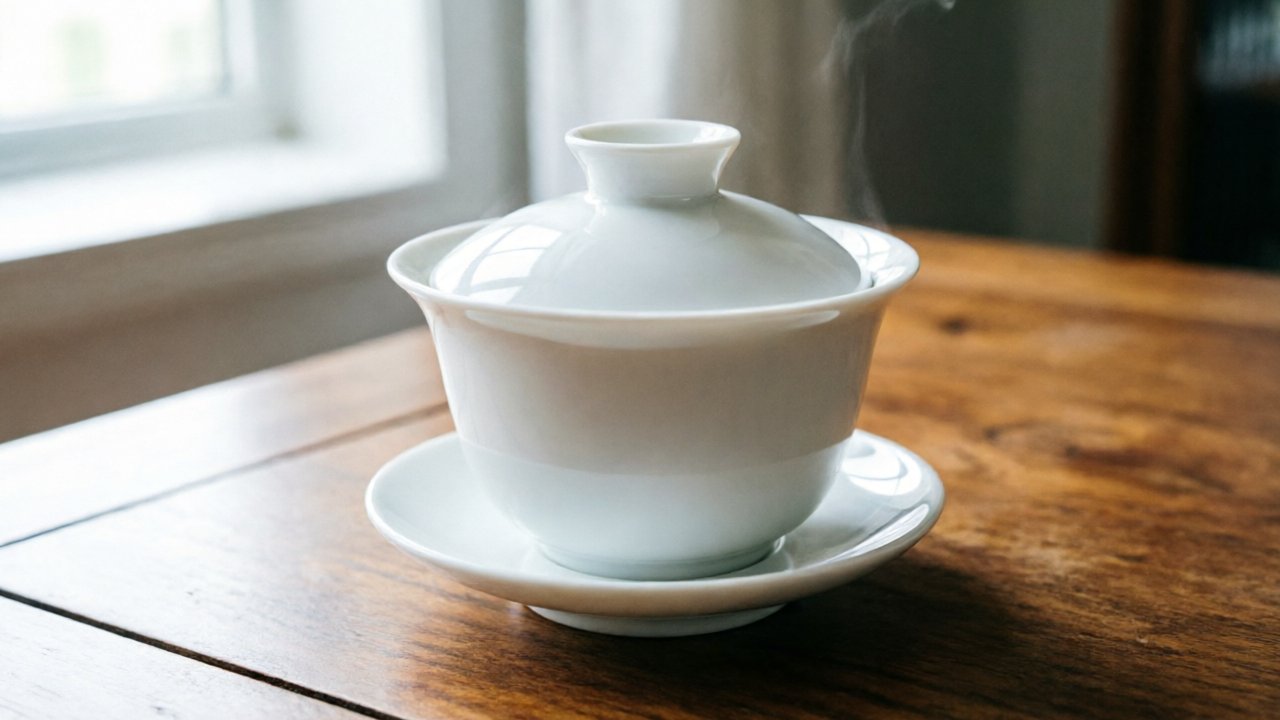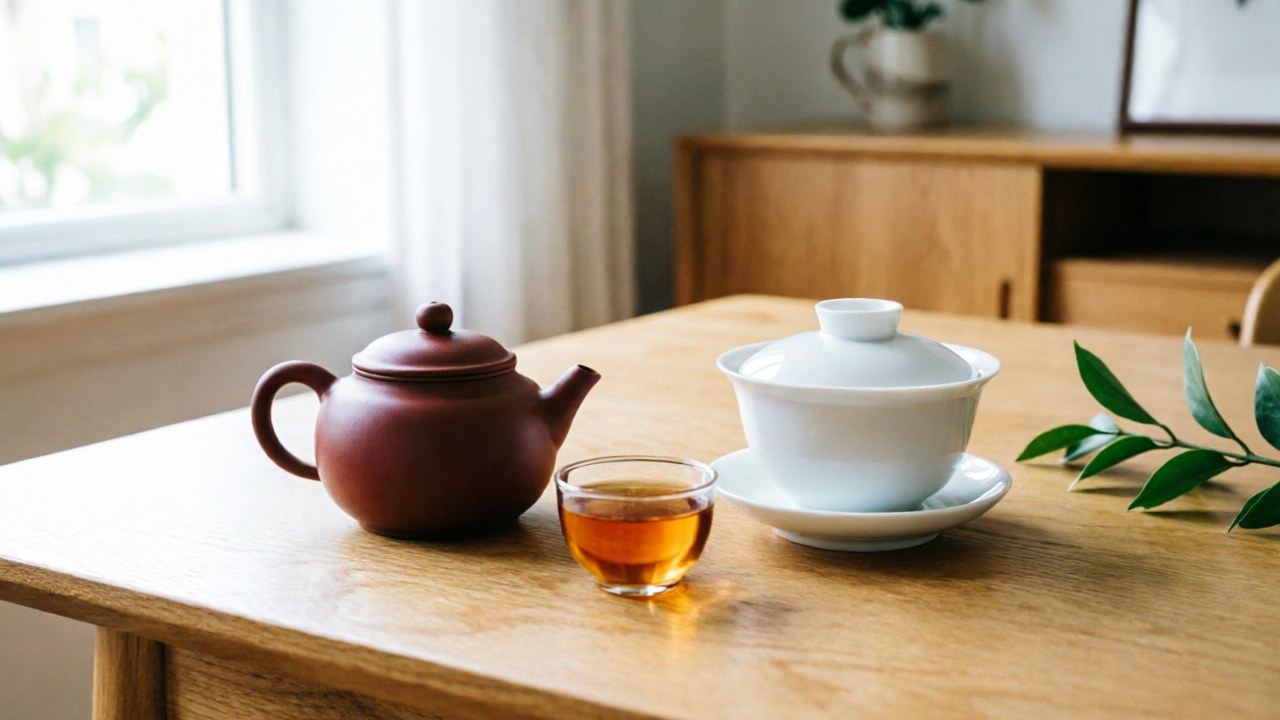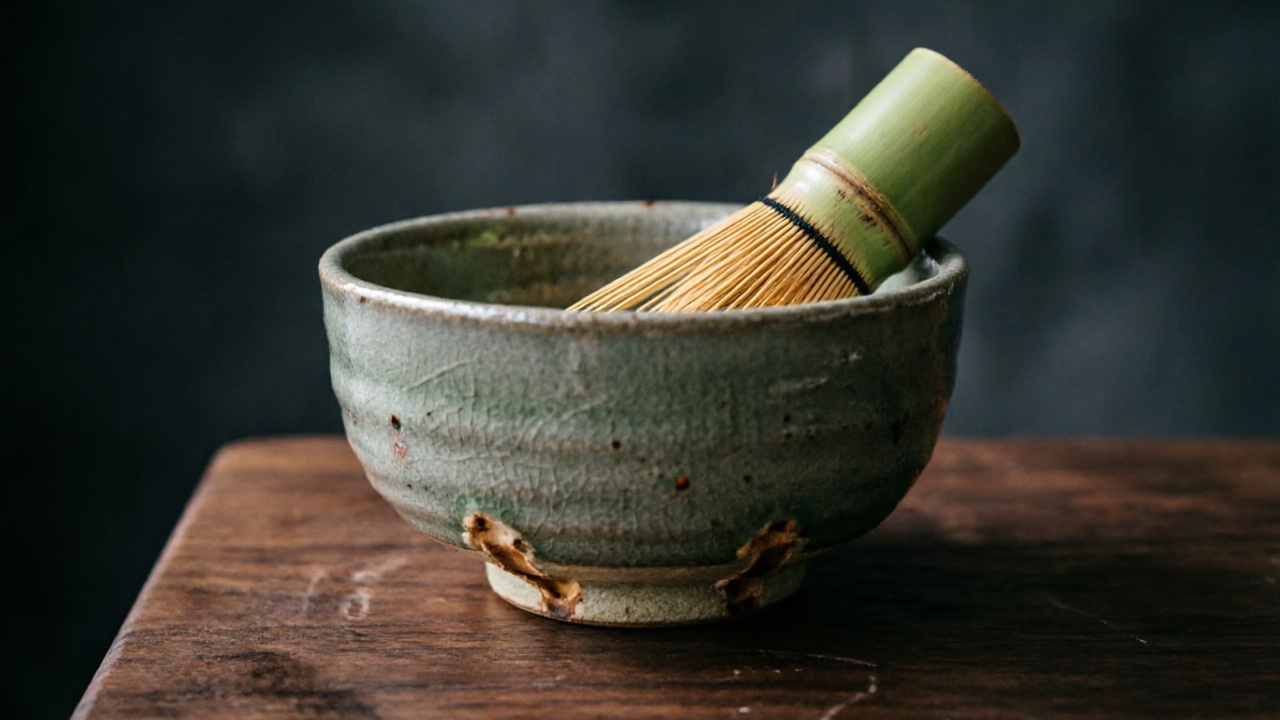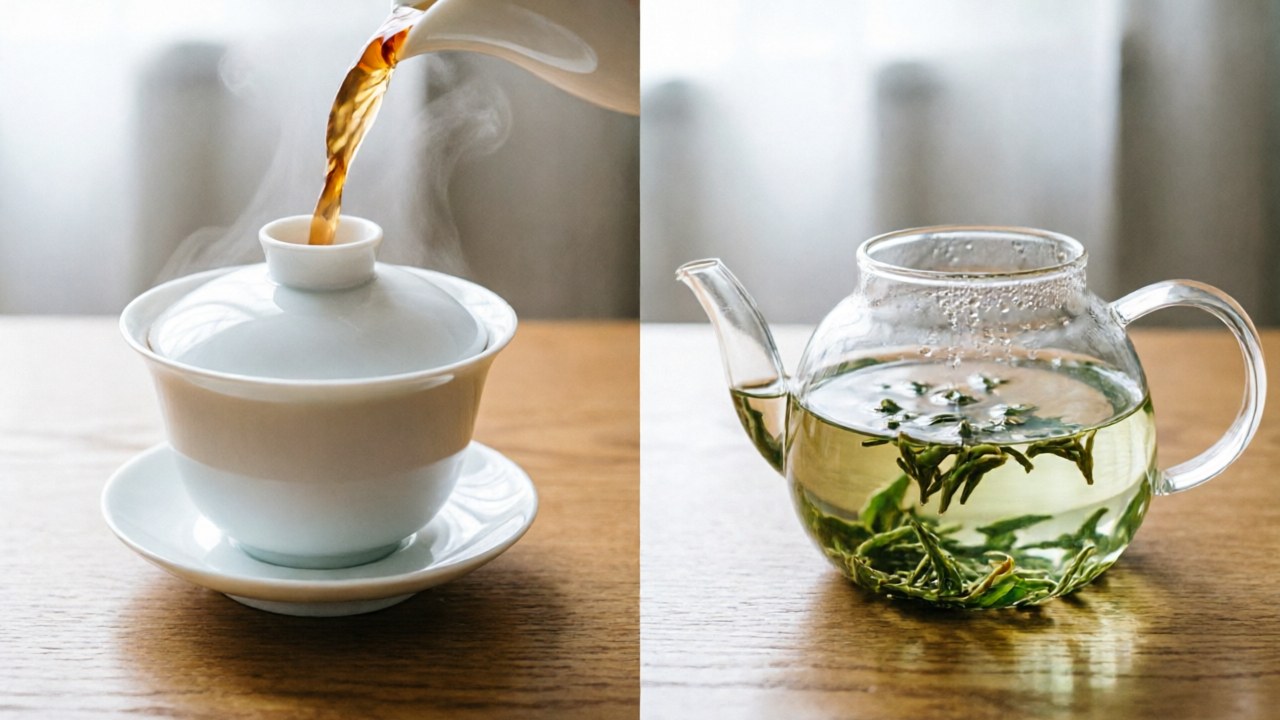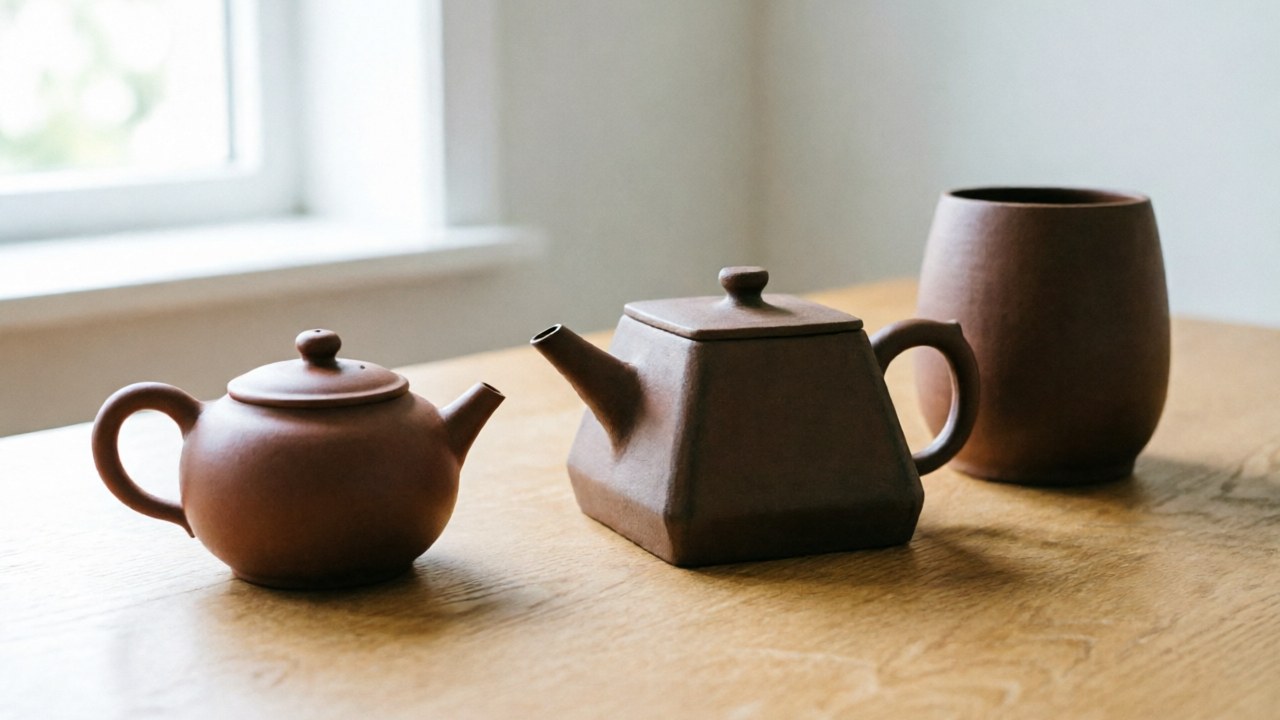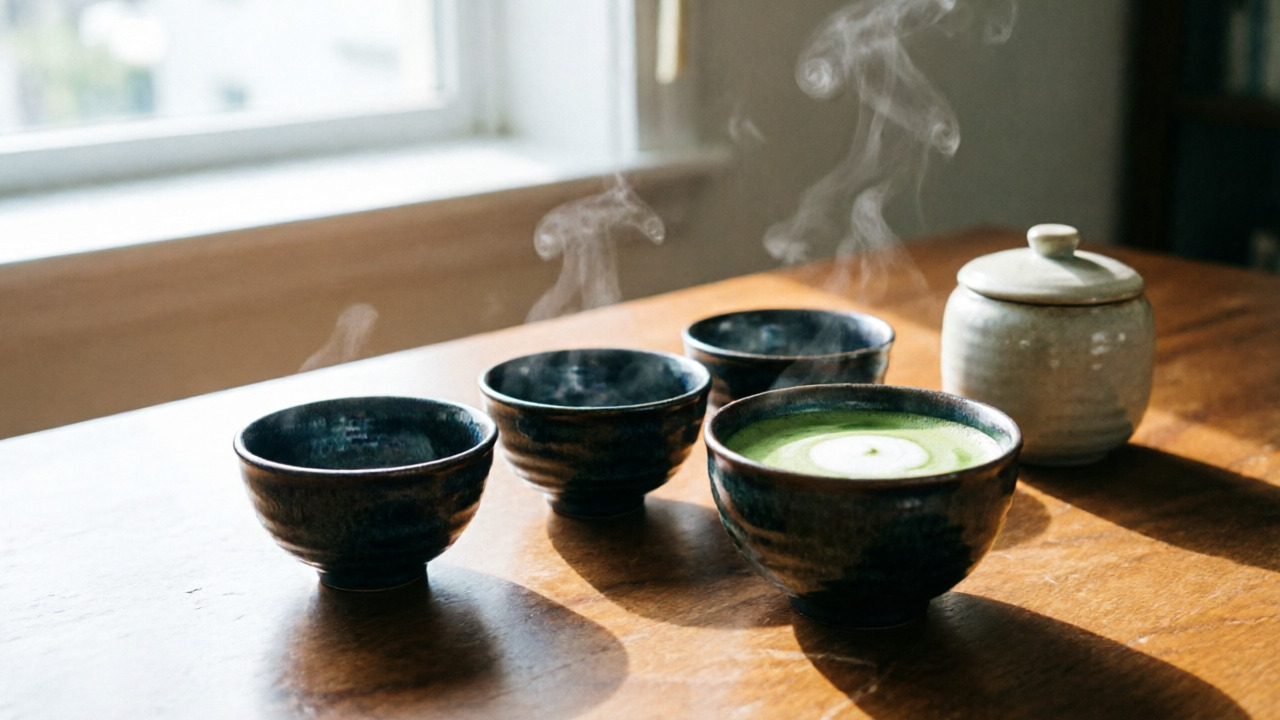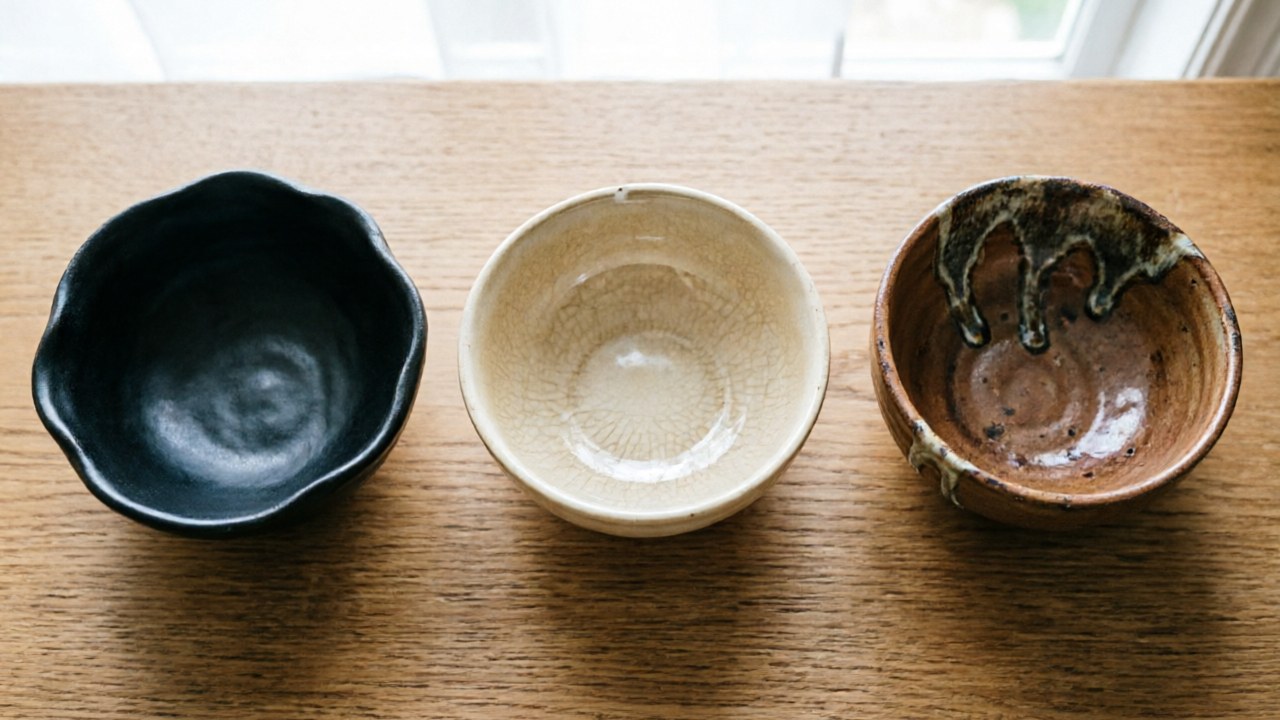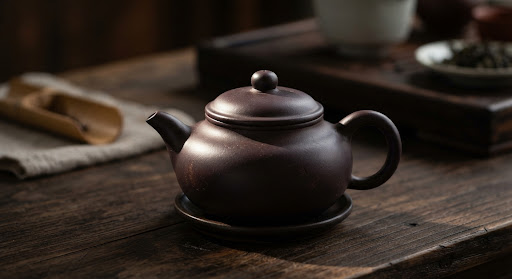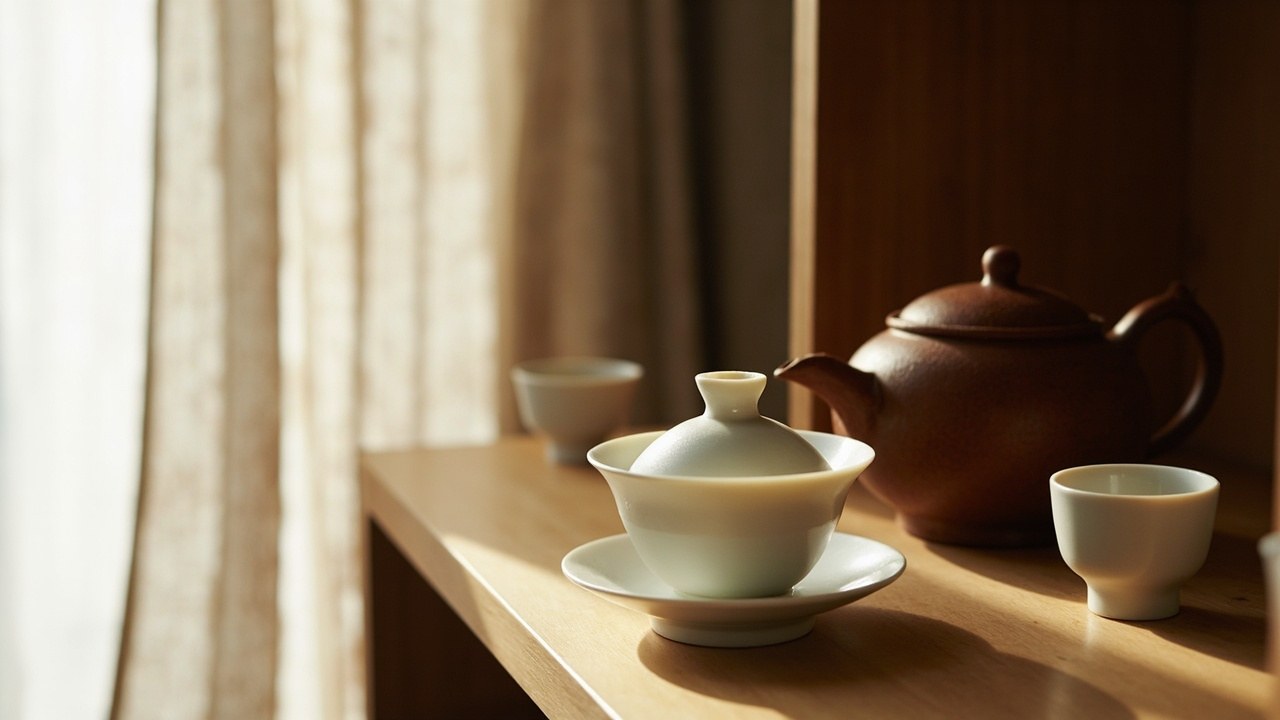
A personal teaware system is not a higher price tier. Every object has a job. Some pieces train the eye more than they brew the daily cup. Ceremony or room design only enter when they support a practice you keep.
Foundations: teaware for beginners. Tasting layer: teaware for tasting. Collection map: Teaware.
What a personal system contains
Think in roles, not shopping categories:
| Role | Examples | Practical pick | Rule |
|---|---|---|---|
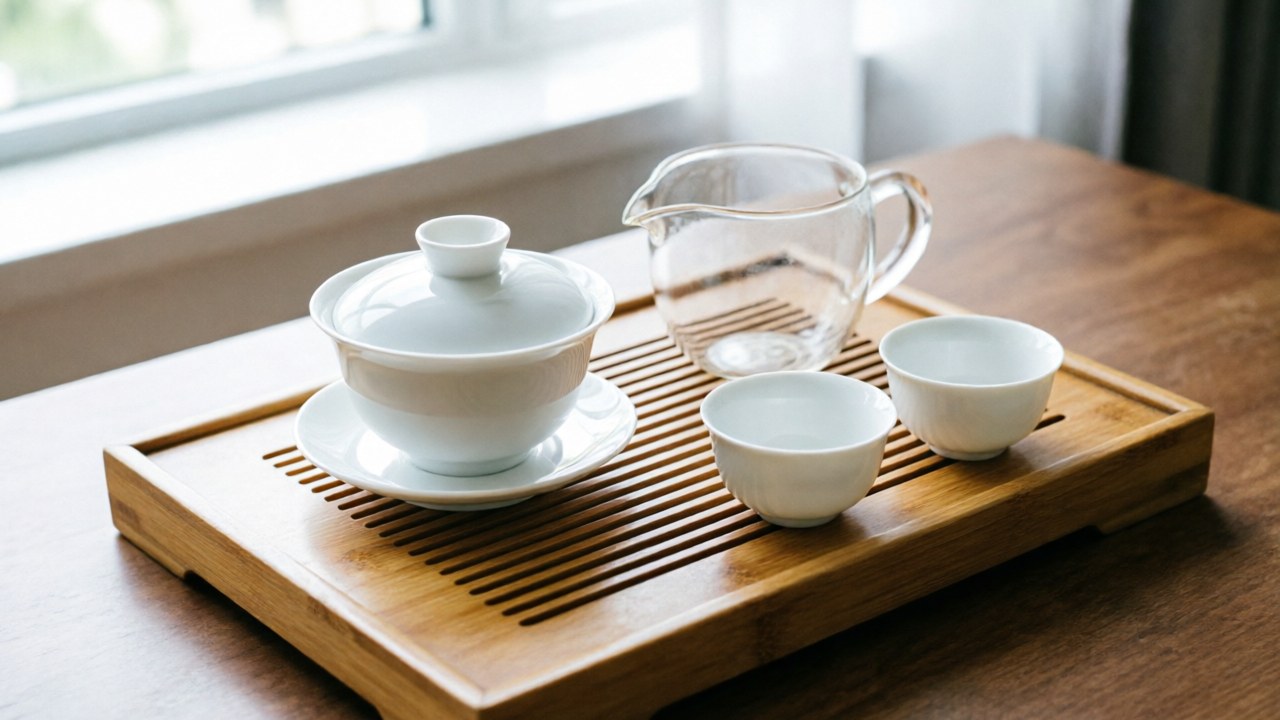
| Daily neutral | Porcelain gaiwan, reliable cups | 150 ml white gaiwan + Gongfu cups | Always ready; no tea memory |
| Dedicated clay | Yixing (or other unglazed) per family | Choose after weekly volume justifies it — browse Vessels until clay guides publish | One family per pot |
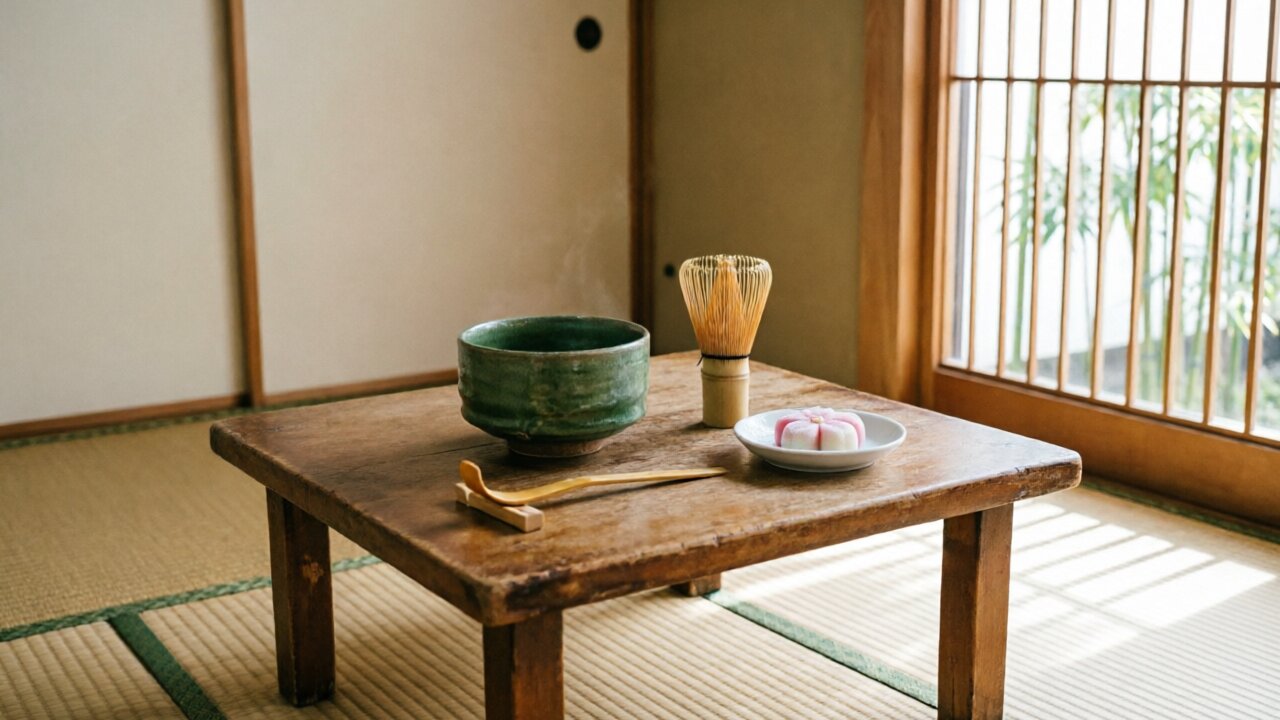
| Parallel kit | Matcha bowl + whisk | Jade Leaf daily bowl or HARIO set — see matcha tools | Separate wet workflow |
| Service layer | Pitcher, tray, kettle, glass pot | Cosori temp kettle; optional glass pot | Shared across sessions |
| Study / appreciate | Historic forms, museum-informed pieces | e.g. Mino Ware chawan for form study | May rarely take tea—or detergent |
| Ritual layer | Ceremony utensils you actually use | Linked to a ceremony practice you keep | Gesture first, aesthetics second |
| Space layer | Table, light, seating, screens | A room or corner that matches real sessions — Tea room | Fits the system you already keep |
If a piece has no role, it is inventory.
Designing the shelf
1. Write your weekly truth
List the teas you finished in the last month—not the teas you aspire to. Systems follow repurchase, not wish lists. If Longjing-style green or ceremonial matcha is what you actually empty, those leaves define which vessels earn space.
2. Dedicate clay only when volume justifies it
An oolong you brew four times a week earns a pot. A pu-erh you open twice a year does not—yet. Use the vessel guides under Vessels and material notes under By need when you decide. Until clay is honest, keep the porcelain neutral as the daily driver.
3. Keep a neutral “judge”
Porcelain remains the control sample when you test leaf quality or water. Drinkers who only use seasoned clay lose a baseline. A 150 ml gaiwan for solo work and a 200 ml guest gaiwan cover most weeks without adding clay memory.
4. Separate study from service
A bowl you study for glaze history can live behind glass. A bowl you whisk every morning lives by the kettle. Confusing the two creates anxiety (“too precious”) or damage (“too casual”). Example split: Mino Ware Yuki Shino chawan for form and glaze study; Jade Leaf pour-spout bowl for weekday whisking.
Role → kit map (shopping without a dump)
| Role | Minimum honest kit | Stretch only if weekly |
|---|---|---|
| Daily neutral | Gaiwan 150 ml + cups | Second 200 ml gaiwan for guests |
| Service heat | Cosori gooseneck | Breville IQ kettle if presets and capacity matter daily |
| Visual / light leaf | Mini glass pot | PARACITY glass as backup |
| Matcha subsystem | Jade Leaf bowl + Naoki 40g + tin | HARIO full set or Mino study chawan |
| Dedicated clay | One unglazed pot for one family | Second pot only after the first is weekly |
| Space | Clean table + light | Full Tea room layout when sessions are permanent |
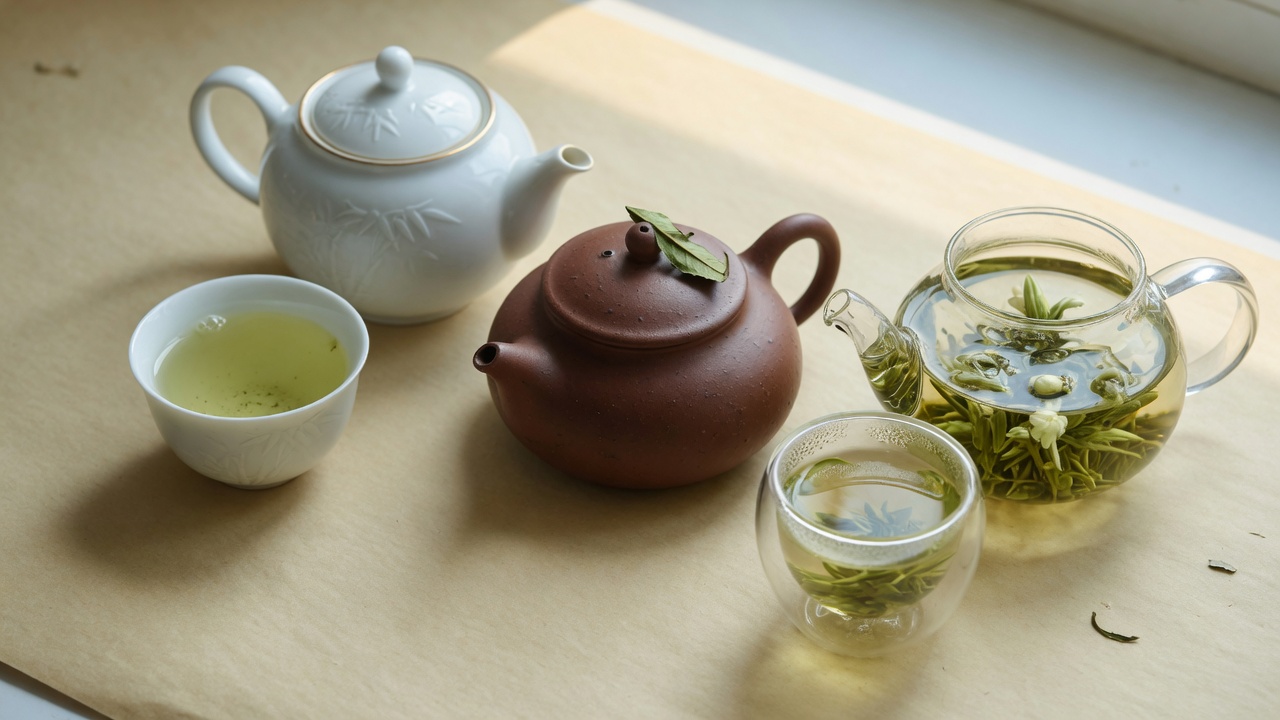
Fine vessels and appreciation
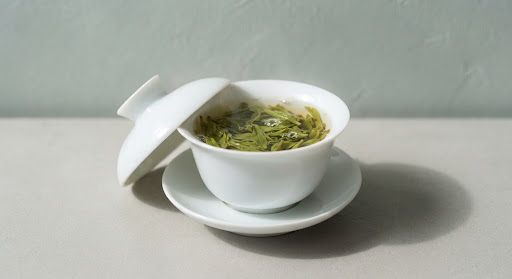
Museum collections and classic kiln traditions—Jianzhan glazes, canonical Yixing silhouettes, chawan lineages—train judgment. They teach proportion, pour, and why certain shapes survived.
They are not a substitute for heat control, leaf freshness, or even pours when tasting with others. A handcrafted Mino Ware chawan can sit in the study role while the daily porcelain bowl takes the weekday whisk—appreciation without freezing practice.
Study essays live under Appreciate as we publish them. Live culture you can read now: matcha ceremony. Gongfu and other traditions: Ceremony.
Rules for study pieces:
- Prefer documented types and solid history over auction hype
- Do not treat product pages as authentication
- Let appreciation change how you choose daily tools, not only how you spend
Ceremony as part of the system
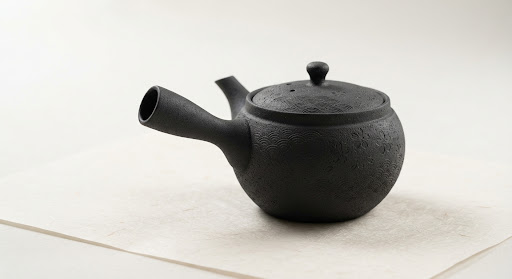
If your practice includes formal sequence—turning the bowl, purifying the whisk, paced Gongfu rinses—teaware becomes choreography. Read tools beside matcha ceremony so purchases follow gesture, not aesthetics alone.
A practical parallel kit: Hario Matcha Tea Set (Clear) – Double-Walled Glass Matcha Bowl with Chasen Whisk (bowl, whisk, scoop, sifter in one workflow) or the lighter stack of Jade Leaf bowl + Naoki ceremonial matcha. Keep powder in an odor-isolated matcha tin so a multi-vessel shelf does not perfume the leaf with spice cabinets. Full tool map: matcha tools.
Space as part of the system (advanced)
Beginners brew on any clean table. Intermediate drinkers fill the tray. Advanced drinkers design the space that holds the tray—not a museum room, a corner that matches how often you brew, how many guests you seat, and how quiet you want the session.
Ask:
- Do you need a permanent table, or a fold-away surface?
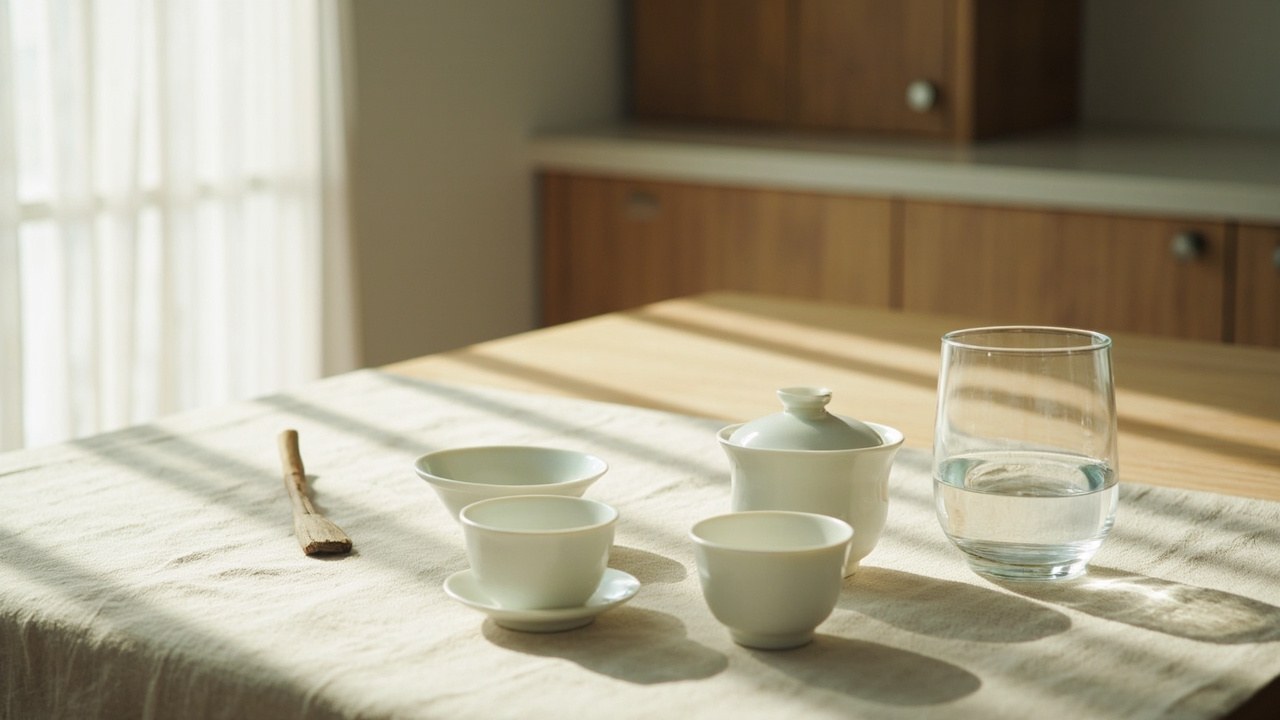
- Is light soft enough for color in the pale cups?
- Can you sit without reaching across a laptop?
- Is the kettle one step from the tray, or a hallway trip?
Furniture, lighting, and layout guides live under Tea Room and the Teaware hub’s Space section—high-ticket setups when the shelf is already honest. You do not need a full room to be advanced; you need a space that fits the system you already keep.
Care is non-negotiable
- No detergent on porous clay
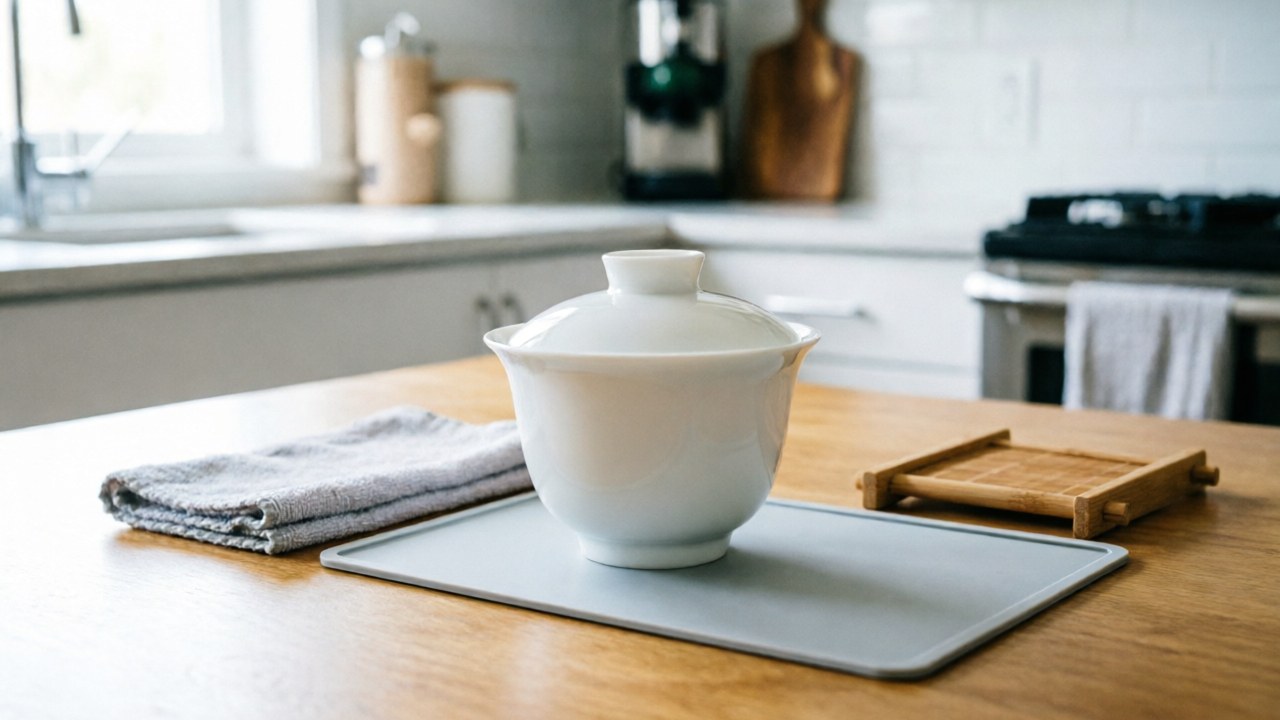
- Lids off until dry — porcelain gaiwan and glass pots included
- Keep pots away from spice cabinets; store powder in a dedicated tin
- Season only with the dedicated family
- Wash service cups promptly so mineral rings do not train you to ignore the liquor
Without care, “advanced” is just a crowded shelf. Habits and the full care guide: Teaware → Care.
Where brewing and leaf still matter
Heat and time stay honest on Brewing. Named leaves that justify dedicated vessels live on Varieties—start with teas you already rebuy, such as Longjing-style green in neutral porcelain or Naoki matcha in the matcha subsystem. Concrete tools mentioned in guides: Products.
Heat is the shared spine of the system: most shelves are honest with a Cosori temperature kettle; drinkers who brew multiple times a day and want varietal presets can step to the Breville IQ kettle—still one heat layer, not three kettles.
A quiet test of “done”
Your system is working when:
- You can start a session in under two minutes (kettle + neutral gaiwan + cups within reach)
- You know which pot is forbidden for which leaf
- You own at least one piece you use only to look and learn (e.g. Mino chawan)
- You can explain every object in one sentence
If you cannot, simplify before you buy.
What to do next
- Assign a role to every piece you already own; sell or store the rest.
- Keep one porcelain neutral (150 ml / 200 ml); dedicate clay only to a weekly tea family.
- Lock the service layer: cups + heat (+ glass if you watch light leaves).
- If matcha is parallel, refine the kit with Jade Leaf bowl / HARIO set + Naoki + tin, and if you care about sequence, matcha ceremony.
- When the shelf is clear, shape the room around it—Tea Room / Space.
- Browse Appreciate for study pieces; return to teaware for tasting if the fairness pitcher, second vessel, or tea pet is still missing.
When to Upgrade: Experience-Based Triggers
Don’t upgrade on a schedule — upgrade when your brewing tells you to. Here are the signals:
- Upgrade your gaiwan when: You’ve brewed 50+ sessions and your current vessel feels limiting (wrong size, poor lid fit, heat uncomfortable). Move from basic porcelain to Jingdezhen artisan glaze or add a glass gaiwan for visual brewing.
- Add a dedicated clay pot when: You’ve been brewing the same oolong or pu-erh for 3+ months and want to season a vessel. Start with budget zisha clay — don’t jump to expensive Yixing until you understand how clay changes flavor.
- Add a matcha kit when: You want a morning ritual that’s different from leaf tea. The matcha whisk set is self-contained.
- Add a serving set when: You’re regularly brewing for 3+ people. The formal white set handles 4-6 guests.
Fine Vessel Study Introduction
Once your daily system is stable, the appreciate lane opens. Fine vessel study isn’t about buying more — it’s about learning to see form, proportion, and craftsmanship in teaware you may never own. Start with our gaiwan history guide for Ming-to-modern form evolution, then explore classic Yixing forms for clay and silhouette study. The appreciate lane complements your brewing practice — you taste better when you understand the vessel in your hand.
The Mind of a Personal System
Practice is attention with inventory under control. Clay remembers a family; porcelain judges without bias; heat and cups keep every role honest; ceremony frames time when you choose sequence; fine vessels educate the eye without freezing the weekday pour. Build slowly, dedicate honestly, and let the shelf serve the cup—not the other way around.
References
[1] Traditional Chinese and Japanese tea practice: vessel dedication and neutral porcelain as control samples — standard craft guidance, not brand ranking.
[2] Chanoyu / home matcha sequence tools (bowl, whisk, caddy) — see also matcha ceremony for gesture-first purchasing.