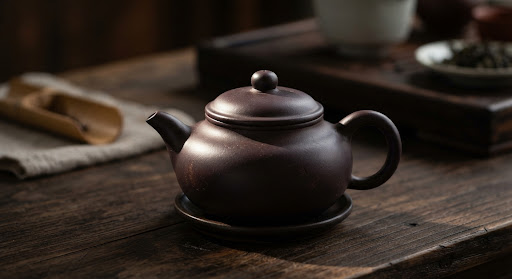
You already have a vessel that works. Teaware for tasting is what you add when tools should serve flavor—even strength between cups, cleaner aroma, vessels matched to the leaves you rebuy—not when you want a fuller shelf photo.
This is the step after teaware for beginners. Building dedicated pots, study pieces, or ceremony kits? See build your teaware system. Map of the whole collection: Teaware.
Signs you are ready
- You re-steep without thinking
- You notice aroma more than caffeine
- You drink one family often (oolong or green or black)
- Guests (or you) get uneven cups from a direct pour
- You want clay or a second vessel without abandoning porcelain
If none of these are true, more gear will only decorate the counter. Stay with a simple stack until one of them bothers you.
What to add next
Fairness pitcher (cha hai) and even cups
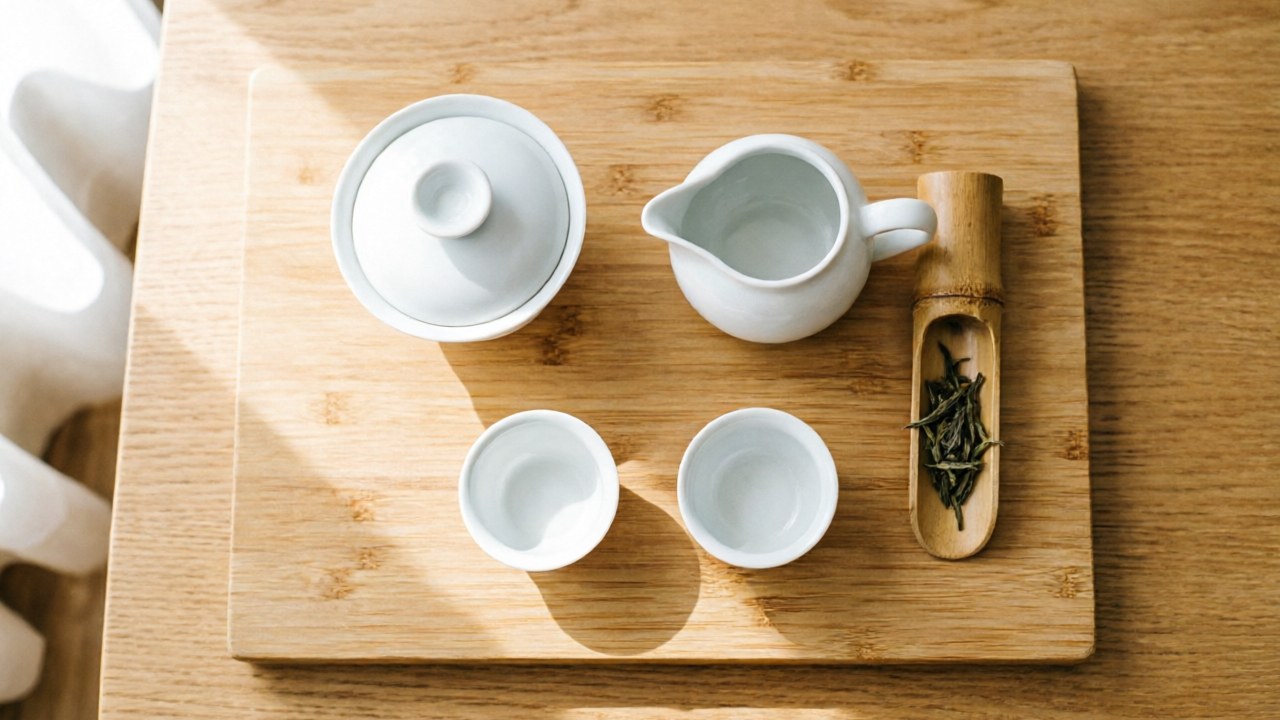
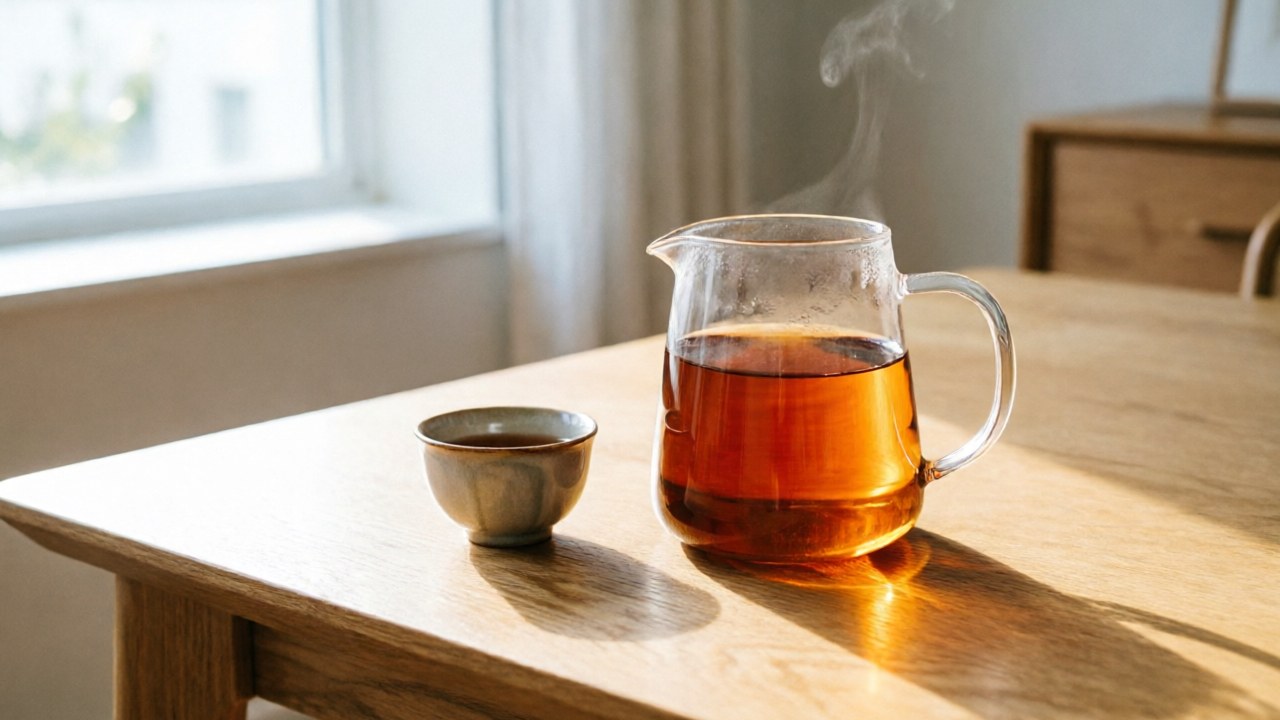
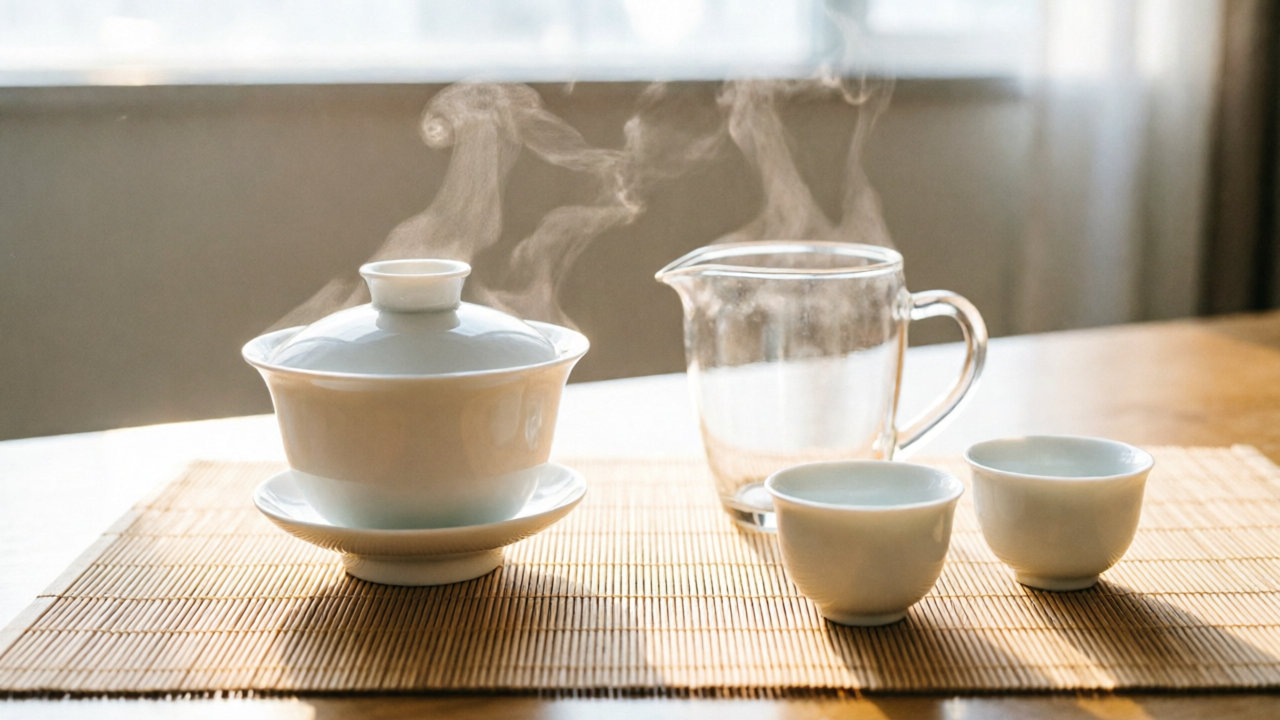
A small pitcher receives the full brew so every cup matches. It cools liquor slightly and lets you smell the empty vessel. When you pour for two people—or line up infusions to compare—the pitcher is the difference between chaos and a tasting.
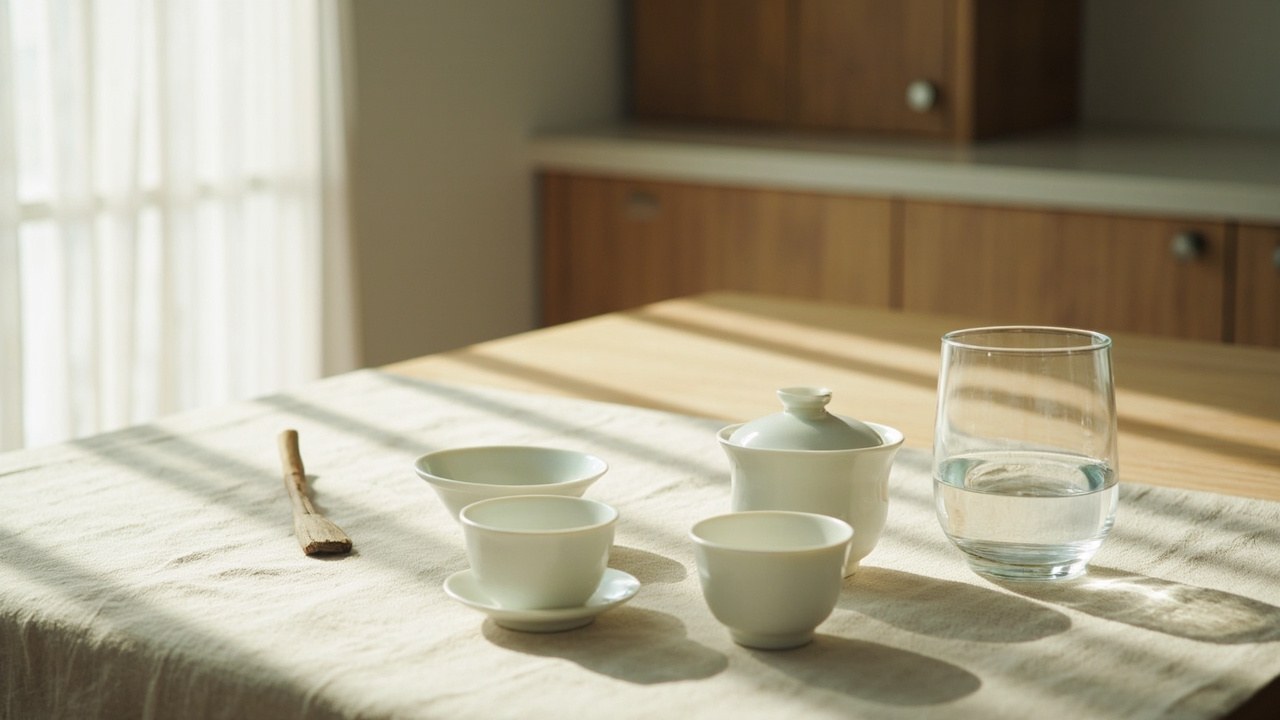
Until a dedicated cha hai guide publishes under By need, matching small cups do the fairness work: pour slowly in rounds so each sip shares the same strength. A porcelain Gongfu cup set with a pale interior also shows color shifts across infusions—oolong and black reward that habit.
Tasting cups
Thinner rims and modest volume train attention. Gift-set counts matter less than cups you like enough to wash daily. If your starter cups are oversized mugs, step down to the four-piece porcelain set and keep one mug only for long Western pots.
A second vessel with a job
| Second vessel | Job | Practical pick |
|---|---|---|
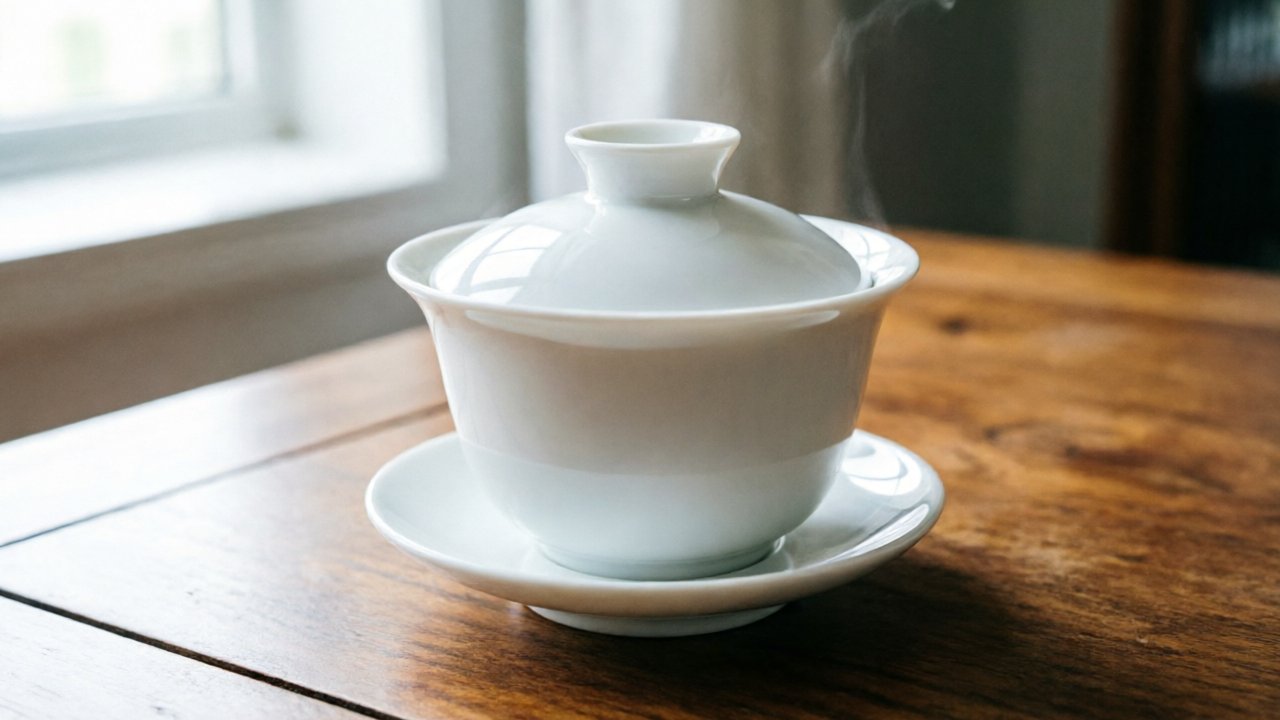
| Neutral porcelain gaiwan | Baseline judge for any family | 150 ml white gaiwan or 200 ml for two cups |
| Glass pot | Watching green or white leaves | Mini glass teapot 550 ml or PARACITY borosilicate |
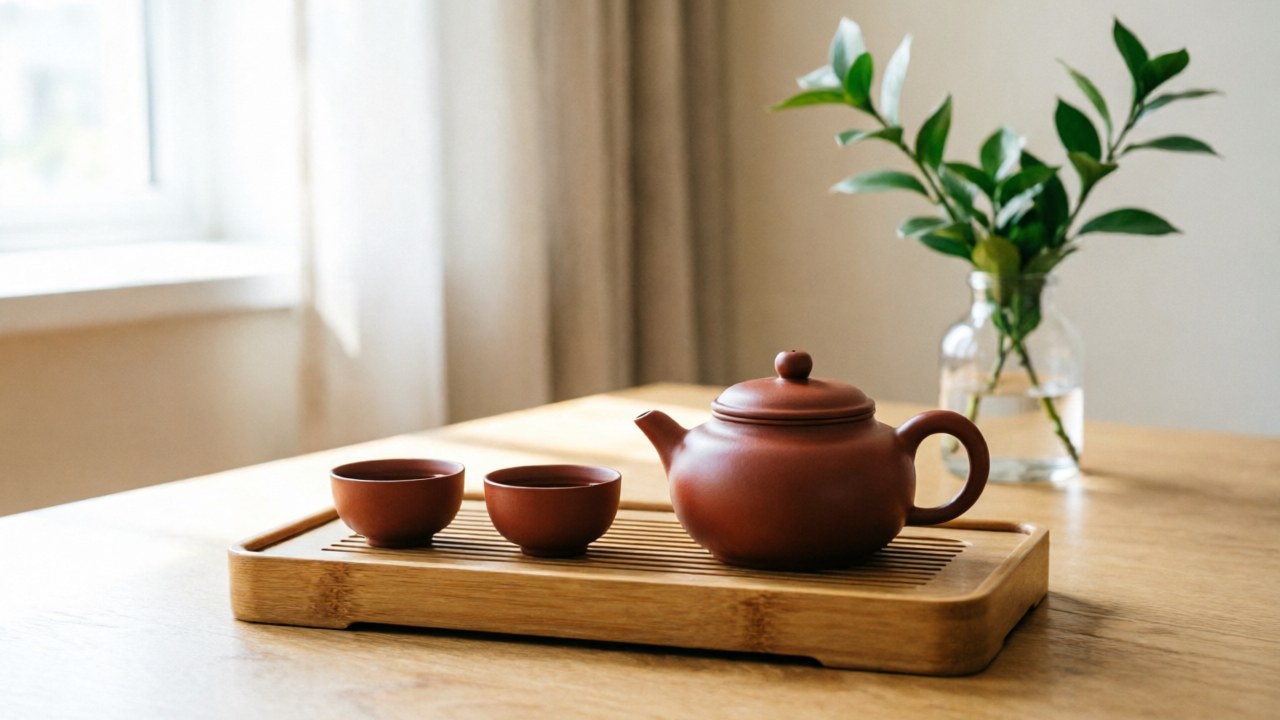
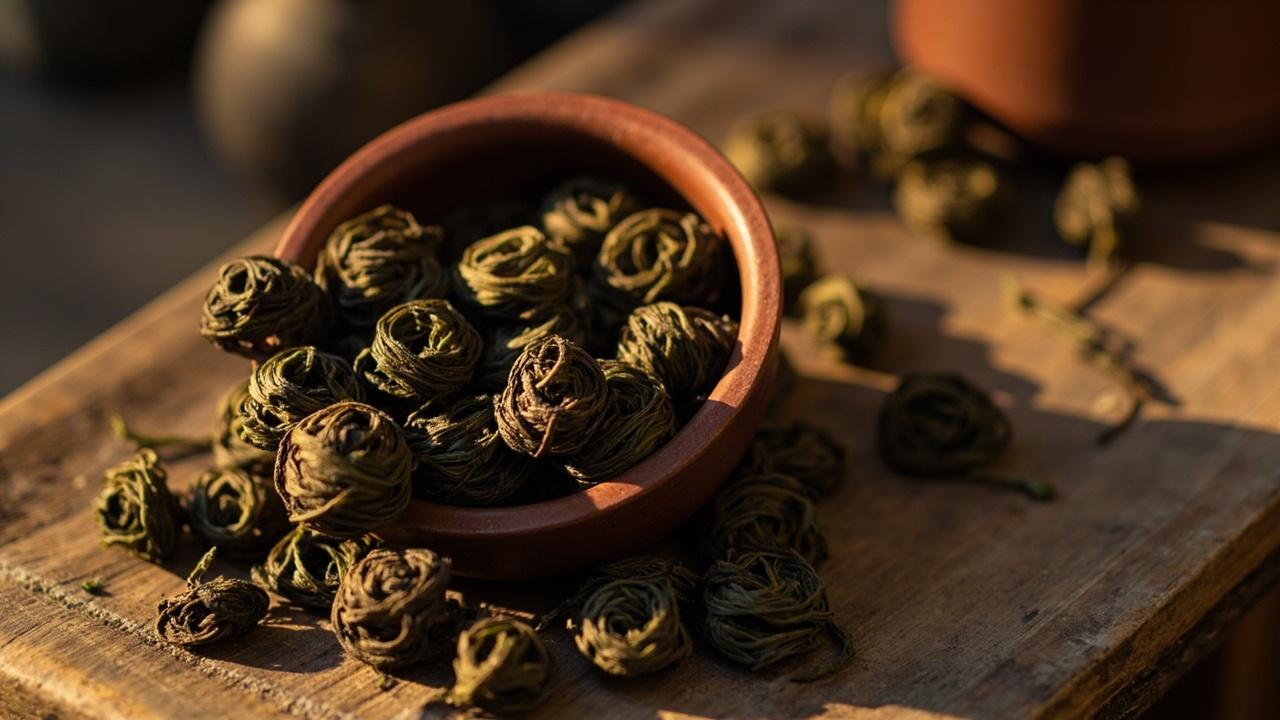
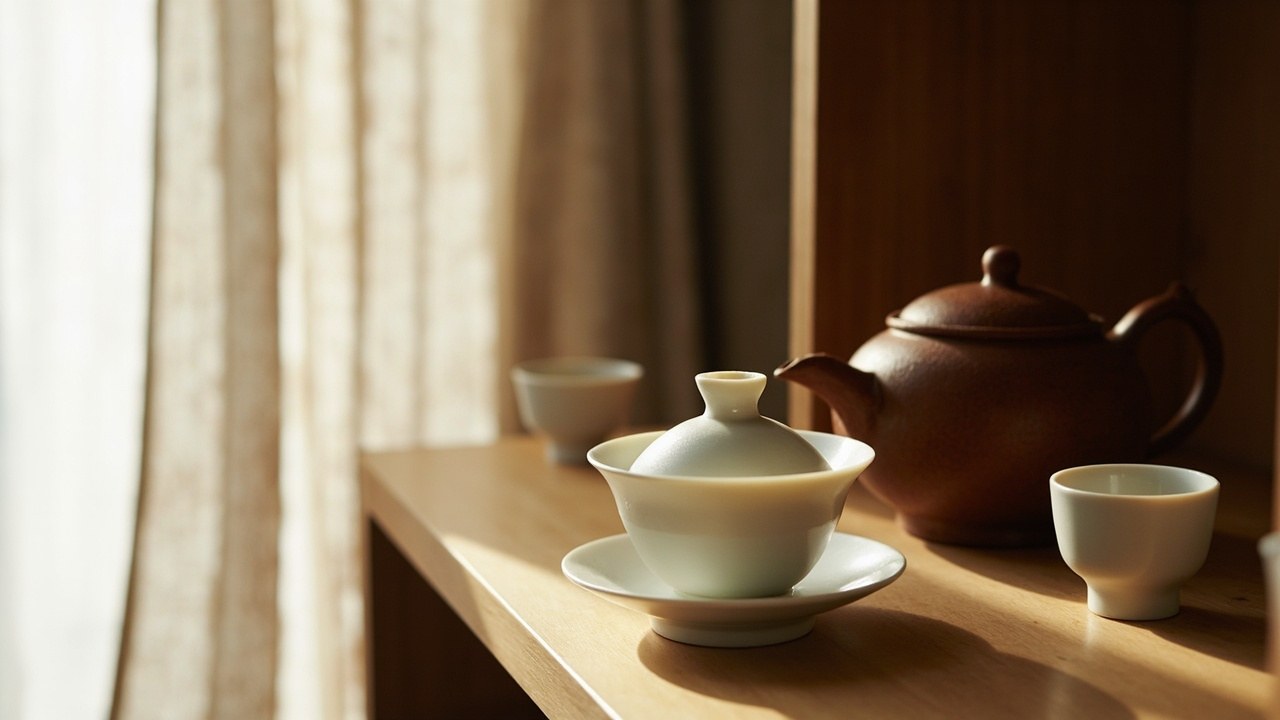
| Small Yixing / unglazed | One oolong or pu-erh family you drink weekly | Buy clay only after volume justifies dedication—compare materials under By need until the clay decision page is live |
| Wider chawan | Matcha tasting | Jade Leaf pour-spout bowl — full kit path on matcha tools |
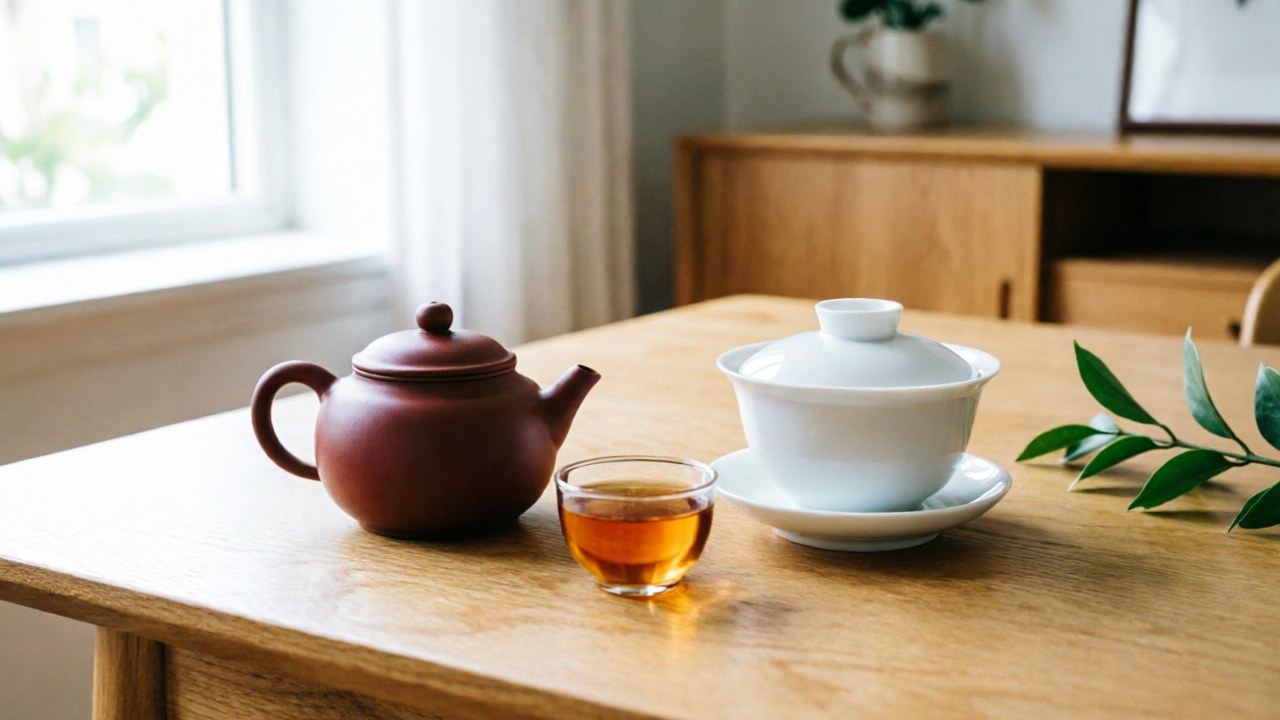
Porcelain remains the neutral reference. Clay is a specialist. Glass is a teacher for leaf and color.
Tray or waste bowl
A wet tray catches rinses; a dry table with a waste bowl stays quieter. Choose when sessions regularly include rinse water—not because tray photos look complete. Browse trays under By need as accessory guides publish.
A tea pet on the tray
At this level many drinkers seat a tea pet—a small unglazed figure that lives on the tray and takes the occasional pour. It is not a brewing tool; it is culture on the same surface as the pot. Pair it when the tray is already in use, not as a first-week purchase. Start from Tea pets and the On the tray strip on the Teaware hub.
Heat with intent
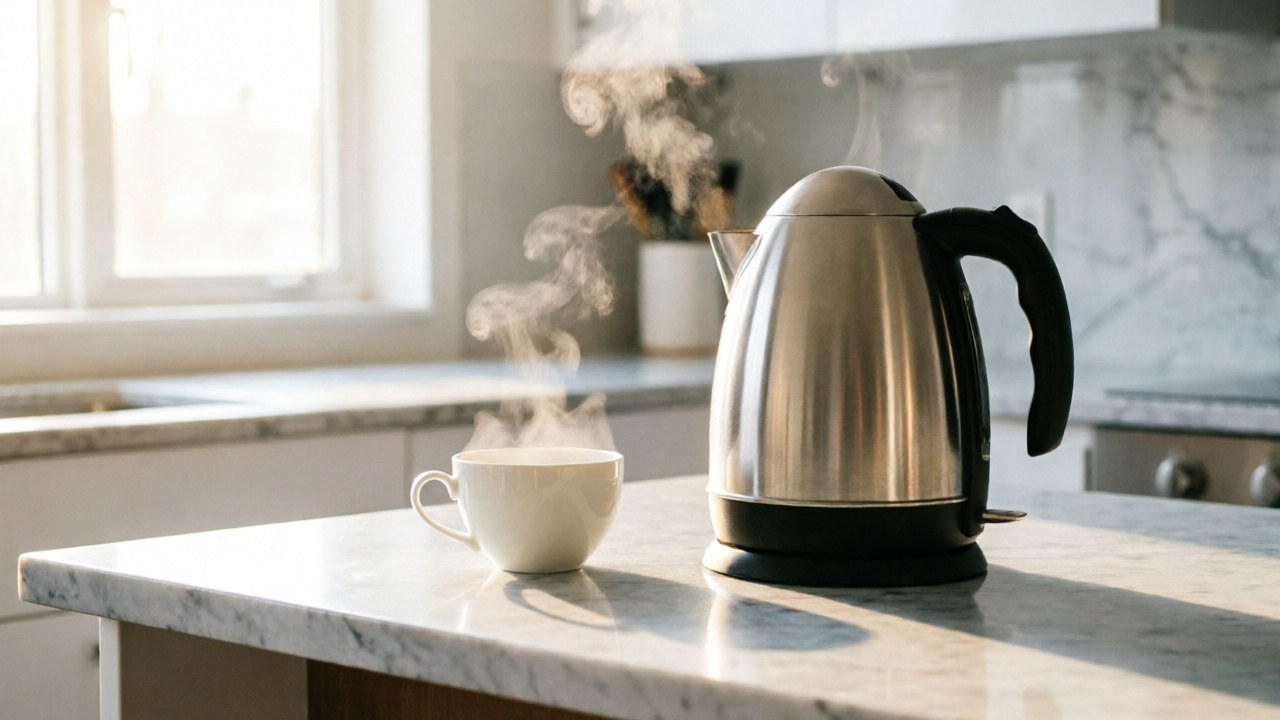
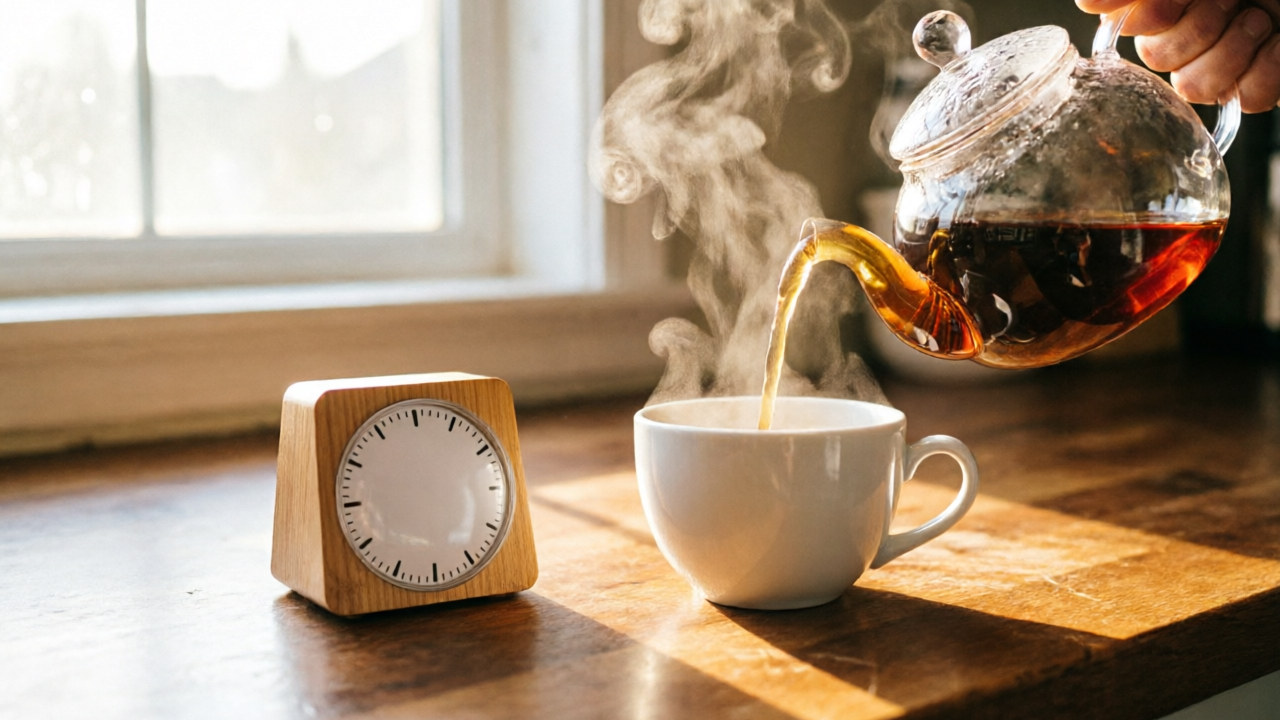
You may run two temperatures in one evening (green then oolong). A kettle that holds a set point earns its keep here more than on day one. The Cosori gooseneck with temperature control covers the 75–95 °C band without guesswork—vessel and kettle options also live on the vessel shelf.
Porcelain, glass, and clay
| Material | Tasting role | Practical starting point | Caution |
|---|---|---|---|
| Porcelain | Neutral baseline; aroma from lid and cup | 150 ml gaiwan + tasting cups | None for rotating teas |
| Glass | Visual learning; light teas | Mini glass pot | Cools faster |
| Unglazed clay | Softens edges; builds memory with one family | Wait until one family is weekly | Do not rotate conflicting teas |
When you are torn between clay memory and porcelain neutrality, compare materials under By need and keep porcelain as the control sample until one tea family is weekly. Deeper vessel pages are listed under Vessels.
Match vessels to how you taste
Green tea
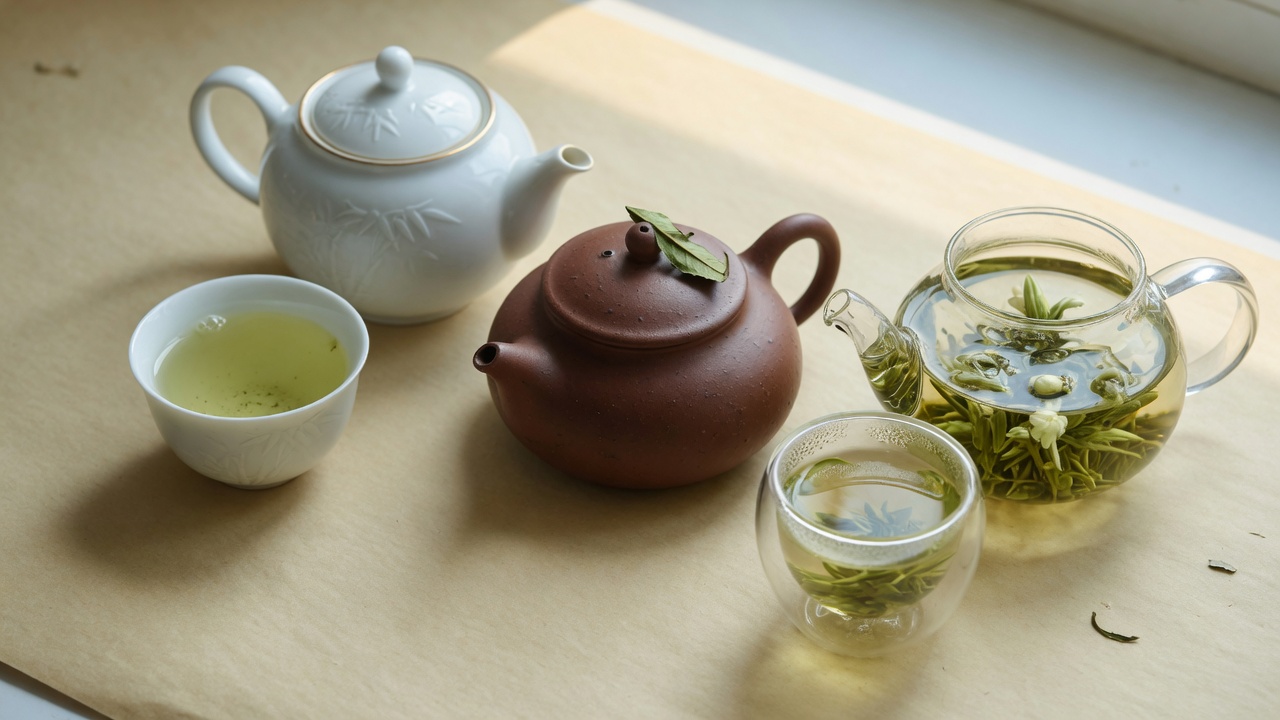
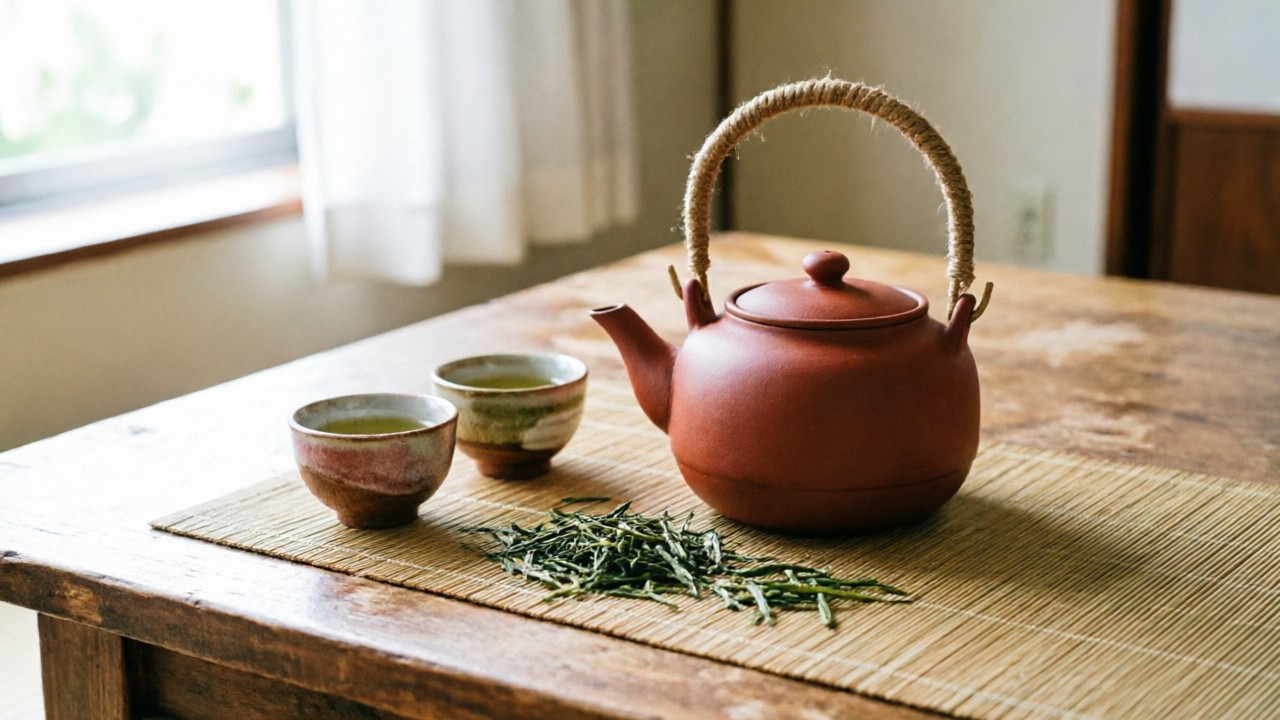
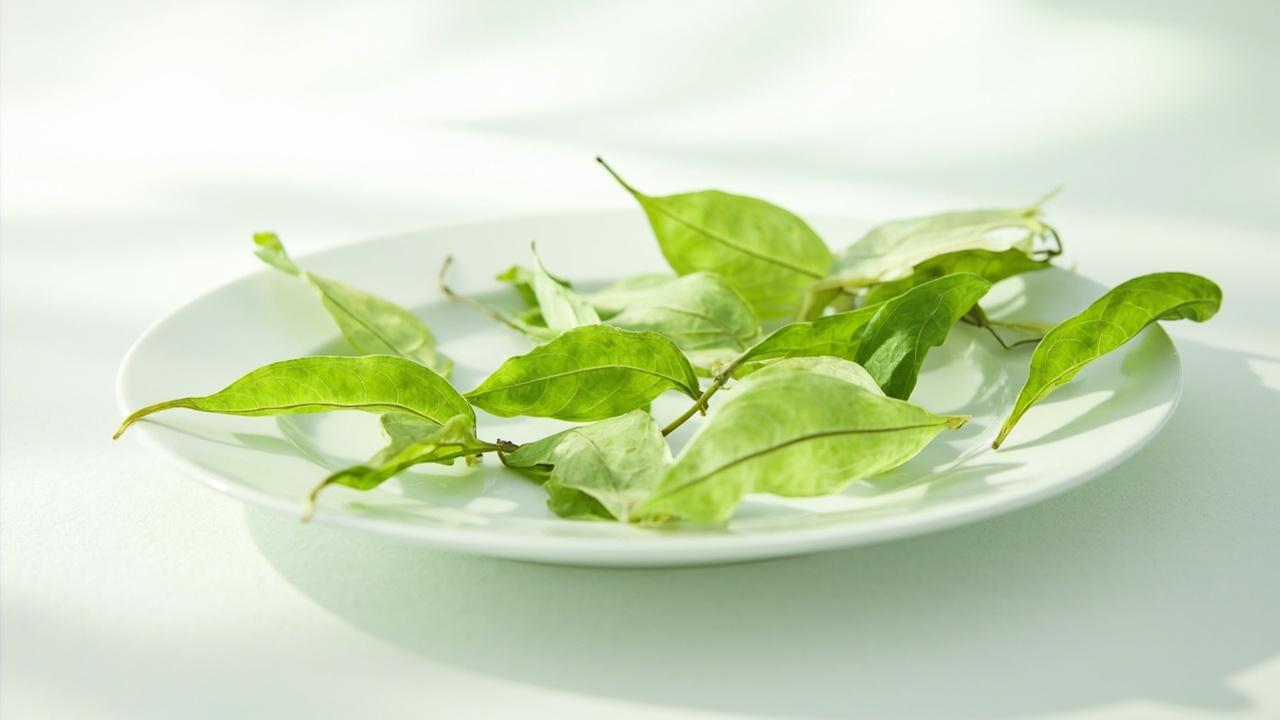
Cool water, shorter steeps, often glass or thin porcelain. Longjing is a clear teacher: chestnut when right, harsh when scalded. Practice with a forgiving pan-fired green such as FullChea Longjing-style leaf in the glass pot or the neutral gaiwan. The usual upgrade is temperature control and smaller volume, not an expensive pot—set the Cosori near 75–80 °C and taste the difference in two cups.
White tea
Longer, cooler steeps reward patience. Tealyra White Peony (Bai Mu Tan) in glass shows bud-and-leaf color without forcing bitterness. Use the same small porcelain cups so finish and aroma stay easy to compare across steeps.
Oolong
Oxidation and roast vary widely. Many oolongs shine in a gaiwan (flexible) or a dedicated clay pot once you commit. Keep the 200 ml porcelain gaiwan as the flexible daily driver; only add unglazed clay after you rebuy the same oolong family weekly. For short-steep rhythm vs a Western pot, start from Brewing (gongfu and Western guides as they publish).
Black tea
Often happy in porcelain or a slightly larger pot. Focus on even pours and cup color more than exotic clay. Matching Gongfu cups make strength honest when you share a pot.
Matcha
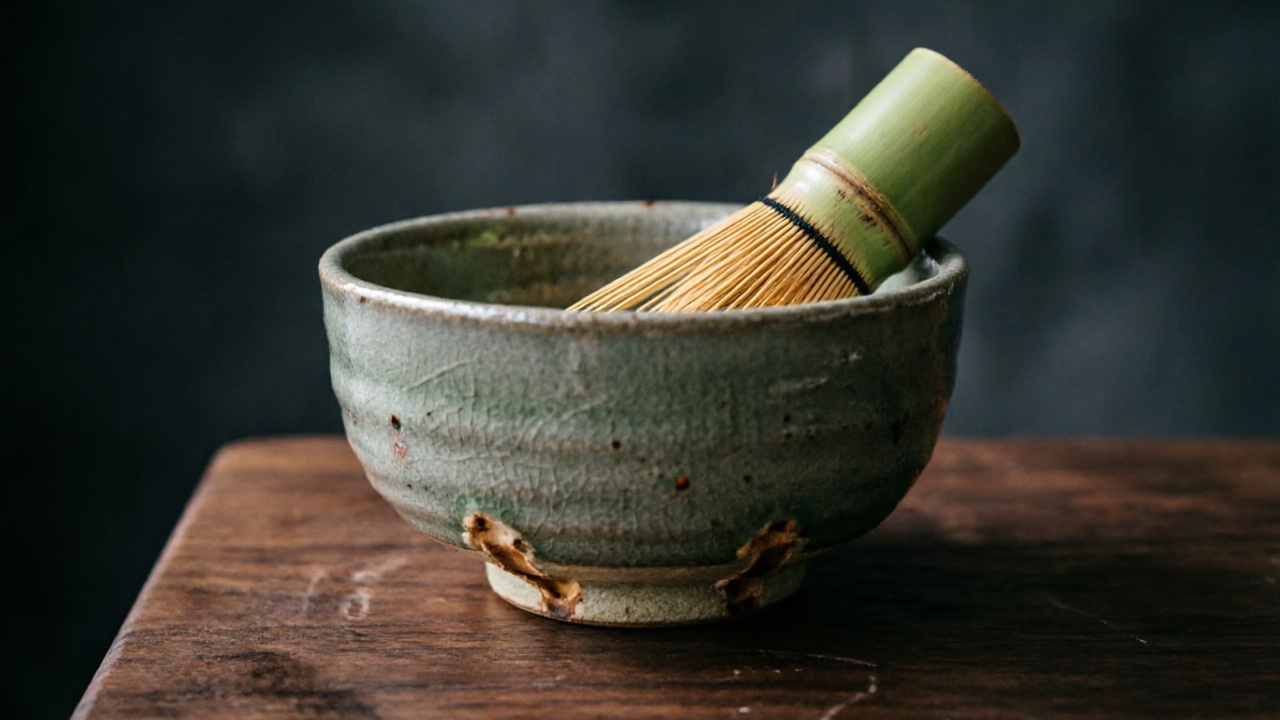
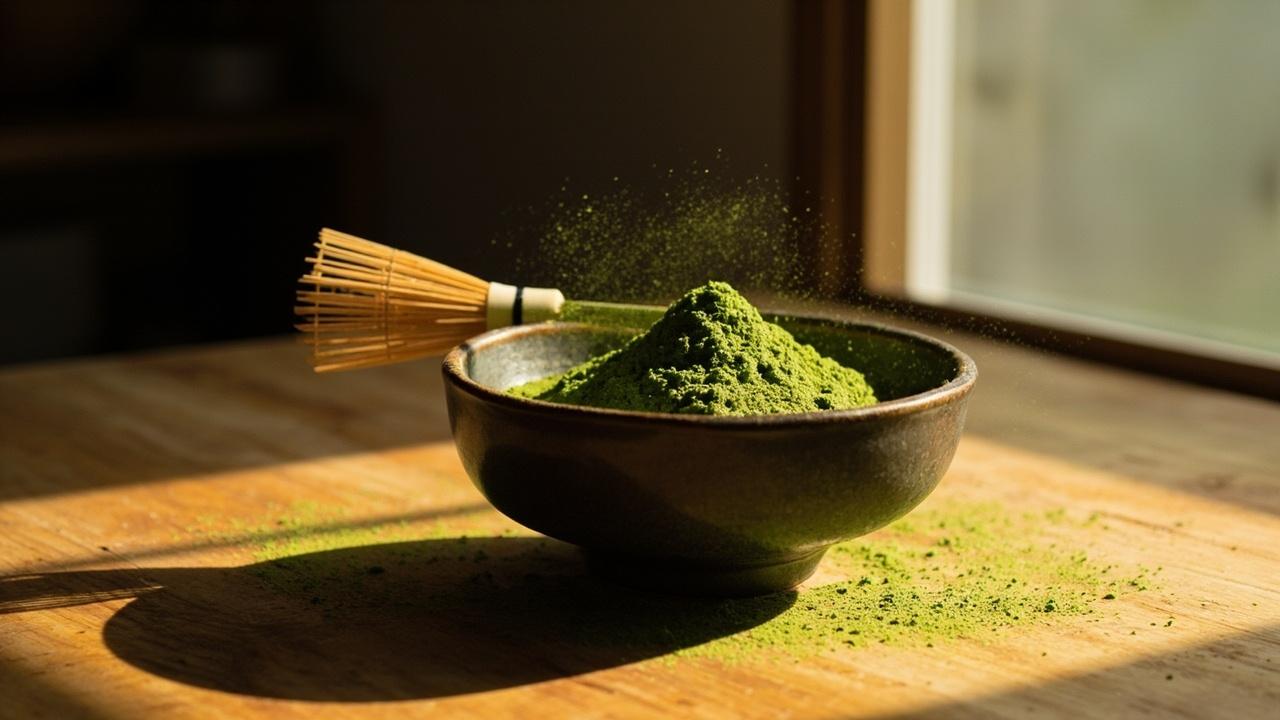
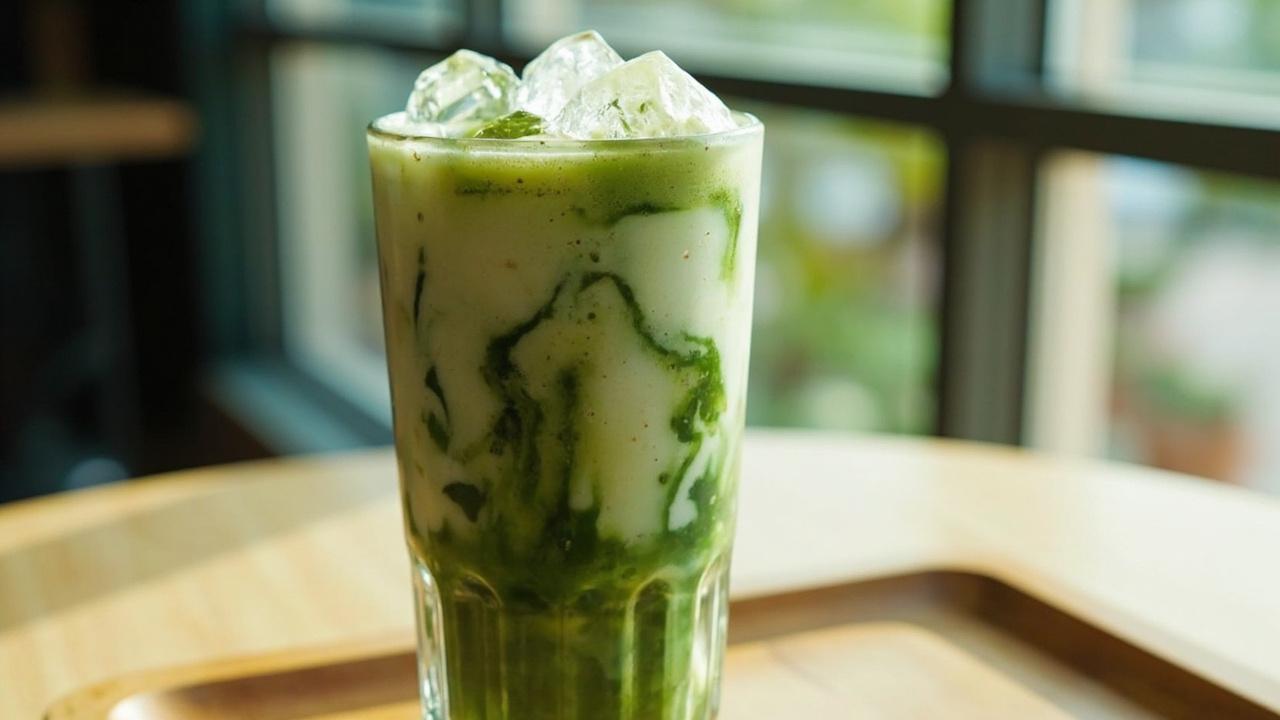
Tasting matcha is a tool problem: bowl width, whisk, sifter. A Jade Leaf porcelain bowl with pour spout plus a small tin of Naoki ceremonial matcha is enough to judge foam and bitterness. Full kit path: matcha tools and matcha grades. If milk drinks are how you judge powder, use the matcha latte recipe.
Tasting upgrade checklist
Use this as a shopping filter—not a cart dump:
| Priority | Piece | Why it earns a slot | Example |
|---|---|---|---|
| 1 | Matching tasting cups | Even sips + liquor color | Porcelain cup set |
| 2 | Neutral porcelain vessel | Judge leaf quality without clay memory | 150 ml gaiwan or 200 ml |
| 3 | Second vessel with a job | Glass for green/white or bowl for matcha | Glass pot / Jade Leaf bowl |
| 4 | Temperature-hold kettle | Two tea families in one evening | Cosori gooseneck |
| 5 | Leaf you actually rebuy | Gear only matters on familiar tea | Longjing-style or White Peony |
| 6 | Fairness pitcher + tray | When guest pours and rinses are routine | Guides under By need |
| 7 | Tea pet | Culture on a wet tray you already use | Tea pets |
Skip rows that do not match a problem you already feel.
A 20-minute tasting session
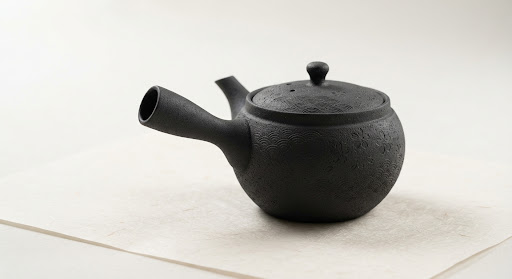
- Warm vessel and cups—use the gaiwan and small cups you will actually wash tonight.
- Note dry-leaf aroma (green: Longjing-style; white: Bai Mu Tan).
- First steep—short; decant fully (pitcher if you own one; otherwise pour in slow rounds).
- Share cups; write three words, not a paragraph.
- Second steep—change time only; keep the same kettle set-point.
- Compare color and finish in the pale cups.
Optional glass path: run the same leaf in the mini glass teapot so you see when the leaf is fully open.
What not to buy yet
- Museum replicas as daily drivers
- Five Yixing pots before one dedicated tea
- Ceremony-only utensils you will not maintain
- Brand-versus-brand “collector” hauls—we compare types and methods, not logos
- A full tray set before uneven cups or rinse water actually bother you
Fine and historic pieces belong under Appreciate and the personal system path—study first, shop second.
Care starts to matter
Rinse porous clay without detergent, air-dry with lids off, keep trays from mildew. Porcelain and glass (your gaiwan, glass pot, and cups) still want prompt drying so mineral spots do not train you to ignore the cup. Treat unglazed pots as food-contact craft, not dishwasher inventory. Habit checklist: Teaware → Care.
What to do next
- Add matching tasting cups if uneven strength bothers you—start with the porcelain cup set.
- Keep one neutral porcelain vessel (150 ml or 200 ml gaiwan).
- Give a second vessel a job: glass for leaf watching (mini glass / PARACITY) or matcha via Jade Leaf bowl + Naoki and matcha tools.
- If two temperatures appear in one night, set the Cosori kettle and stop guessing.
- Practice the 20-minute session with a leaf you rebuy—Longjing-style, White Peony, or matcha.
- If the tray is already wet, seat a tea pet that belongs with that pot—not a random ornament.
- When every piece needs a role—and the room around the tray starts to matter—open build your teaware system.
The Mind of Tasting Tools
Gear chosen for tasting is a lens. Matching cups make strength fair; porcelain judges without memory; glass shows the leaf; heat control separates green from oolong on the same night; a tea pet marks the culture of the pour. Buy the next piece only when a tasting question is already bothering you—then the object has a job.
References
[1] Tea Research Association / industry brewing ranges for green and oolong temperatures — use vessel + kettle control to stay inside leaf-appropriate bands.
[2] Gongfu service practice: even decanting (pitcher or round-robin pours) so shared cups share strength — standard hospitality guidance in Chinese tea service manuals.