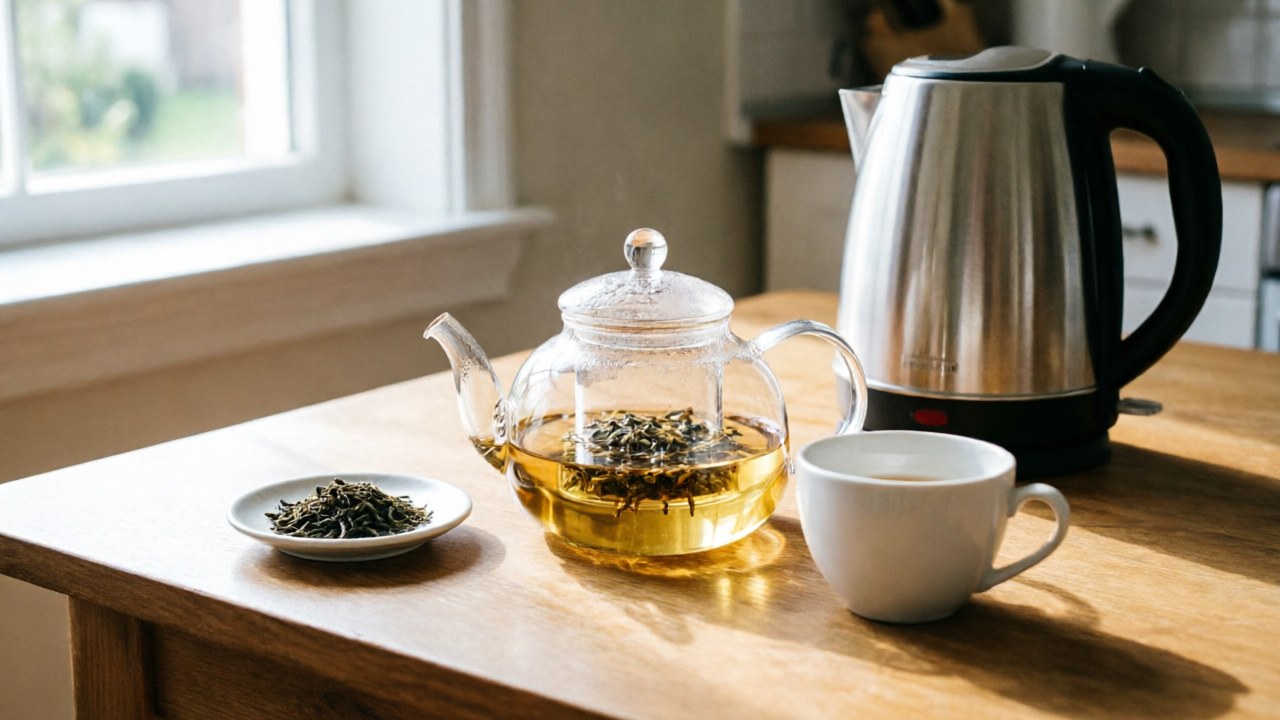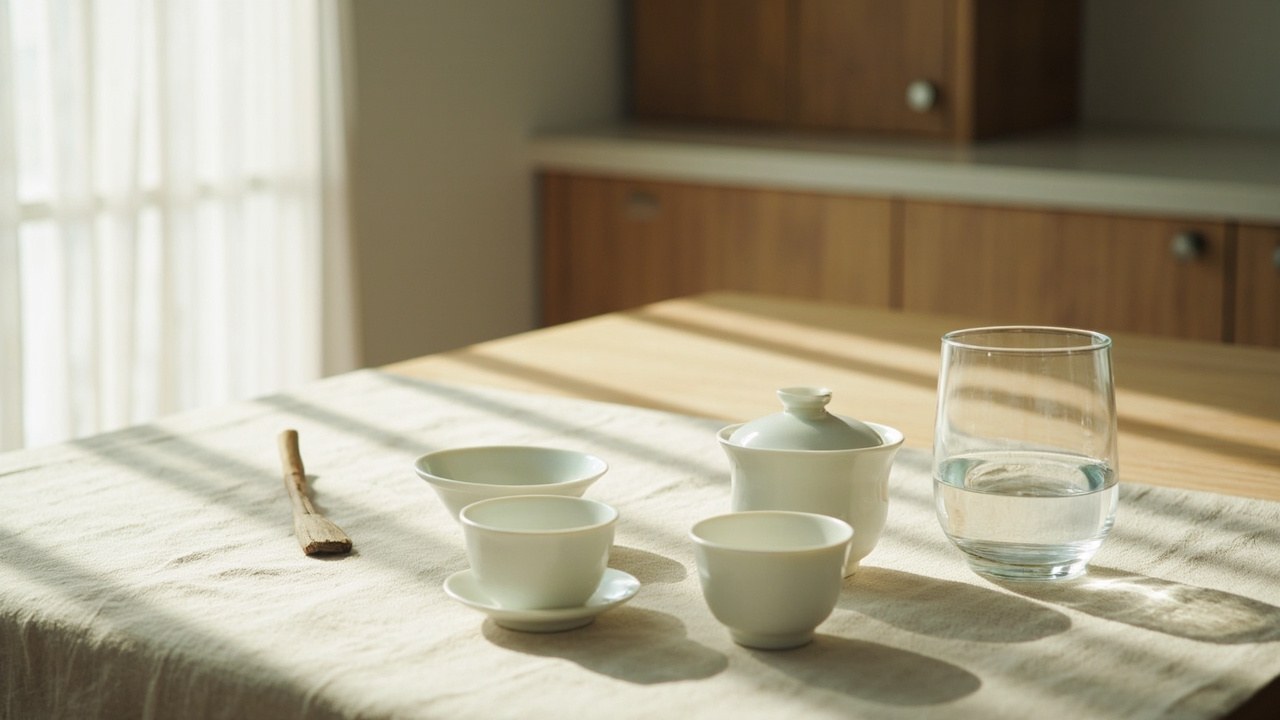
If you are new to tea gear, you do not need a cabinet of pots. Teaware for beginners is three things: one honest vessel, cups you will actually wash, and water that is hot enough—not always boiling. This page answers what to buy first, which leaves forgive mistakes, and where to go next on Teaware.
Already re-steeping, comparing cups, or shopping for clay? Skip to teaware for tasting.
What you actually need
Gear for a new drinker is not “the cheapest set forever.” It is enough control to learn:
- See the leaf (or powder) open
- Stop the steep when the cup tastes right
- Repeat tomorrow without resenting the ritual
Anything that only helps guests, photos, or ceremony can wait. A full Gongfu tray is a joy later—not a tax on day one.
The three-piece starter stack
1. One brewing vessel
Pick one primary vessel for the first month:
| Vessel | Best when | Starter pick | Trade-off |
|---|---|---|---|
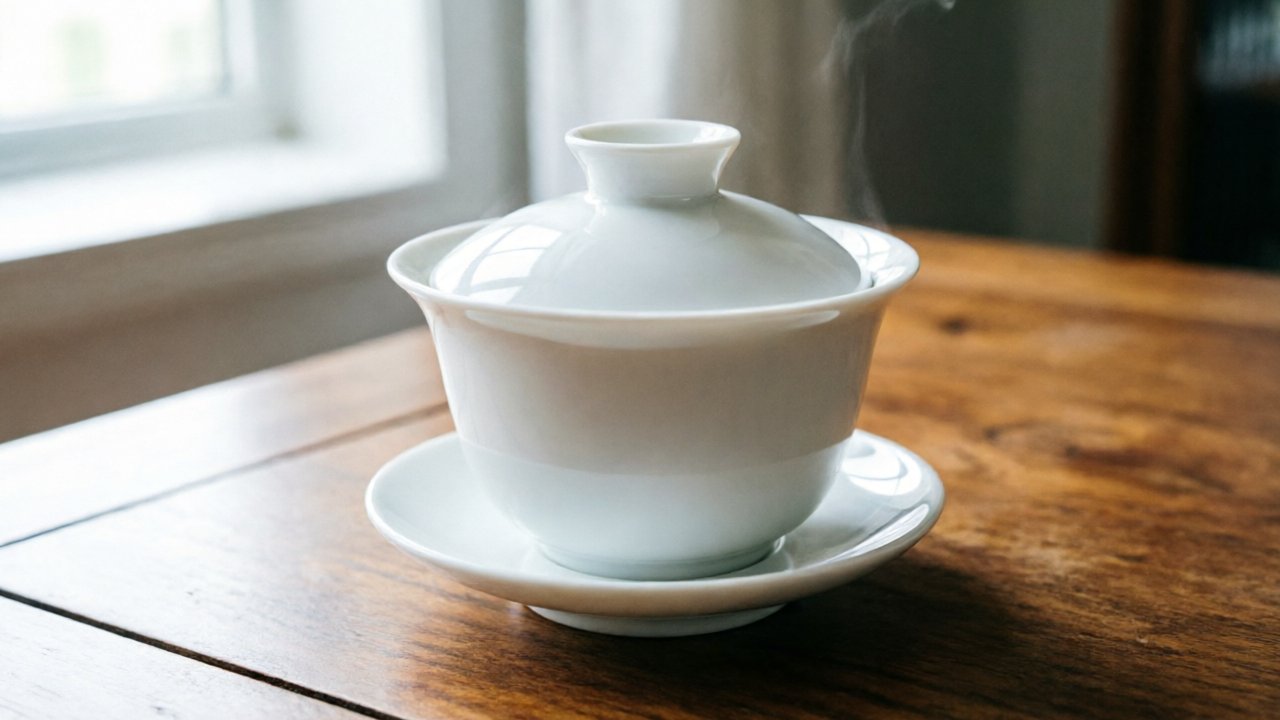
| Porcelain gaiwan (~100–150 ml) | You want one tool for many teas | 150 ml white gaiwan (~$12) | Lid and pour take a little practice |
| Small glass pot | You want a familiar teapot shape | 550 ml glass pot + infuser (~$8) | Less aroma from a sealed lid than a gaiwan |
| Tall glass | You mostly drink green or white | Any heat-safe glass you own | Awkward for darker, longer steeps |
Porcelain stays neutral: it does not season like clay, so today’s green will not taste like yesterday’s black. That neutrality is a feature while you learn. If two small cups is your habit, a slightly larger 200 ml white gaiwan is a reasonable step up without jumping into a full set.
For glass drinkers who want borosilicate and a steel infuser at a similar budget, the PARACITY 550 ml glass pot is the same size class—still one pot, not a tray.
For size, glaze, and heat handling in more depth later, browse the vessel shelf on Teaware → Vessels—including the full matcha tools guide if powder is your path.
2. Cups you will actually use
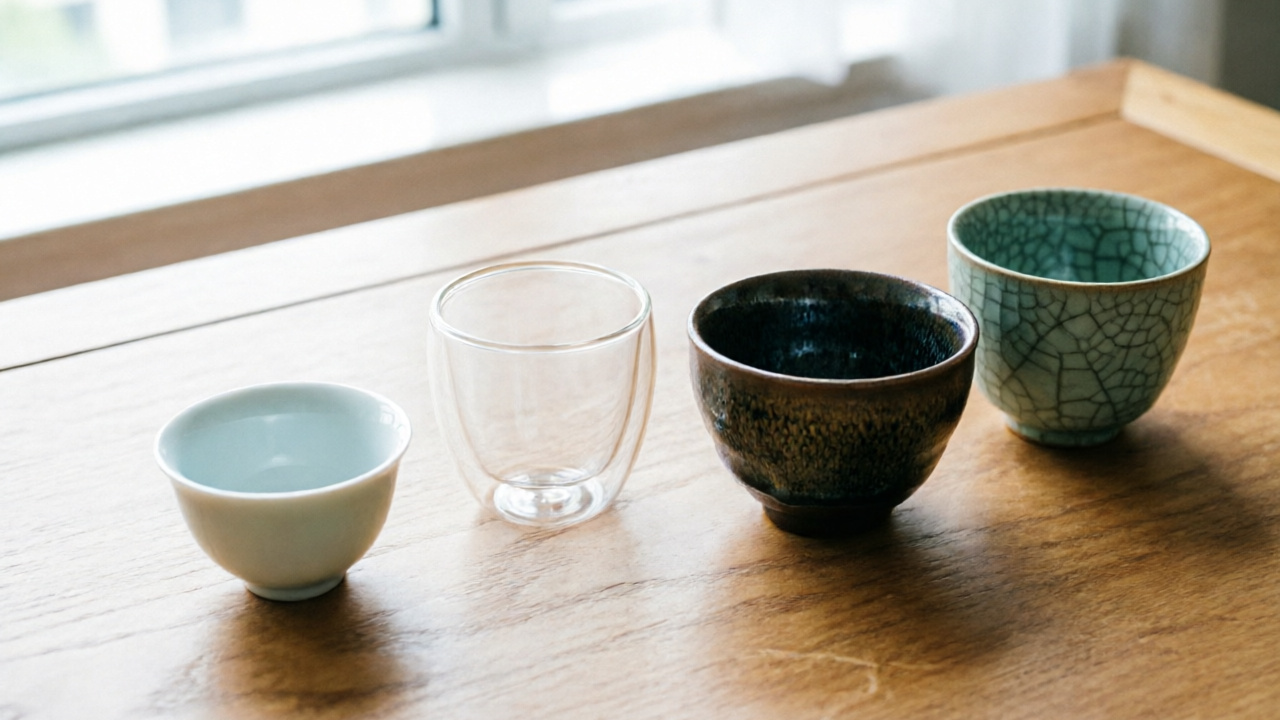
Two small cups beat six matching antiques you never wash. Look for:
- A rim thin enough that tea is pleasant to sip
- A light interior so you can see liquor color
- Volume that matches your vessel (often 50–80 ml for small sips, or a normal mug if that is how you live)
A practical starter is a four-piece porcelain gongfu cup set: you only need two cups day-to-day; the extras are for guests or rotation while one dries. Skip “collector” cups until you know your preferred volume.
3. Heat you can aim
Green and white tea punish a rolling boil. Honest options:
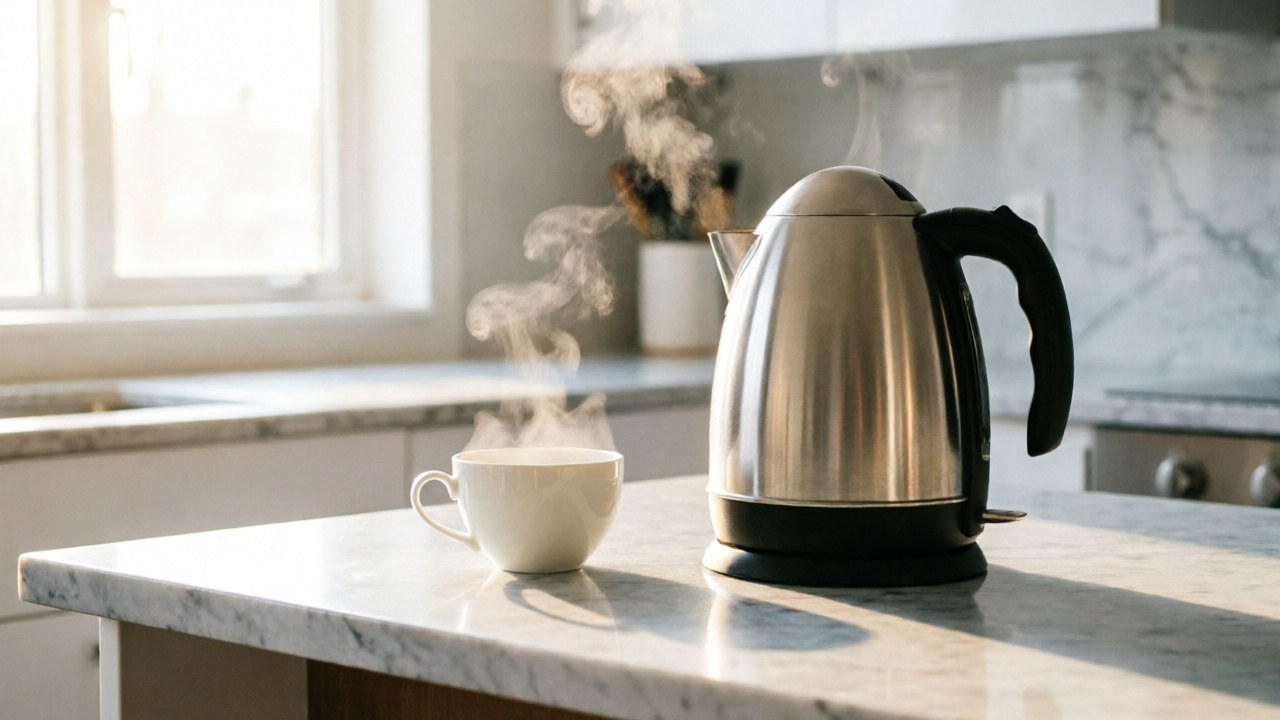
- Temperature-controlled kettle (set 75–80 °C)
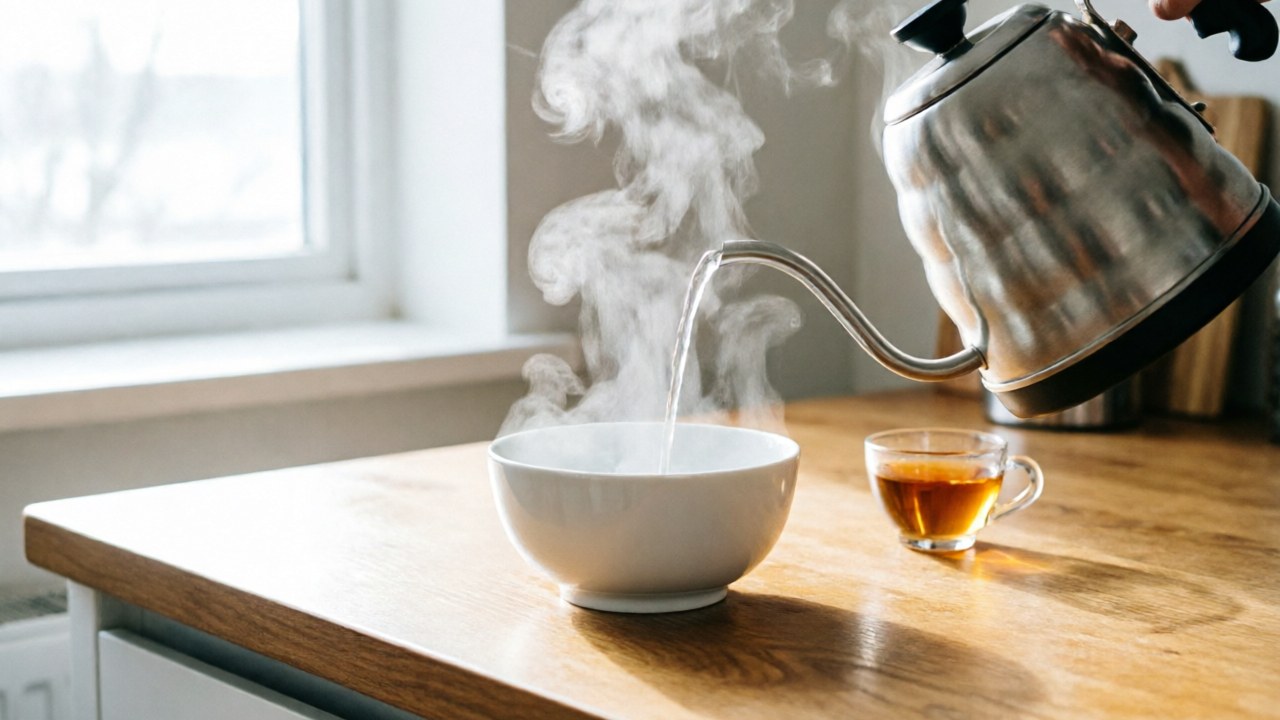
- Ordinary kettle, then 1–2 minutes off the boil
- Hot water mixed with cooler water (less precise, still workable)
A gooseneck is nice; it is not mandatory on day one. When you are ready to stop guessing, a Cosori temperature-control gooseneck lets you park at 80 °C for greens and climb later for oolong—one upgrade that serves every vessel above.
Green tea is commonly brewed cooler than a rolling boil; many public guides put everyday greens near 70–80 °C rather than 100 °C, which is why controllable heat matters more than a second pot [1][2].
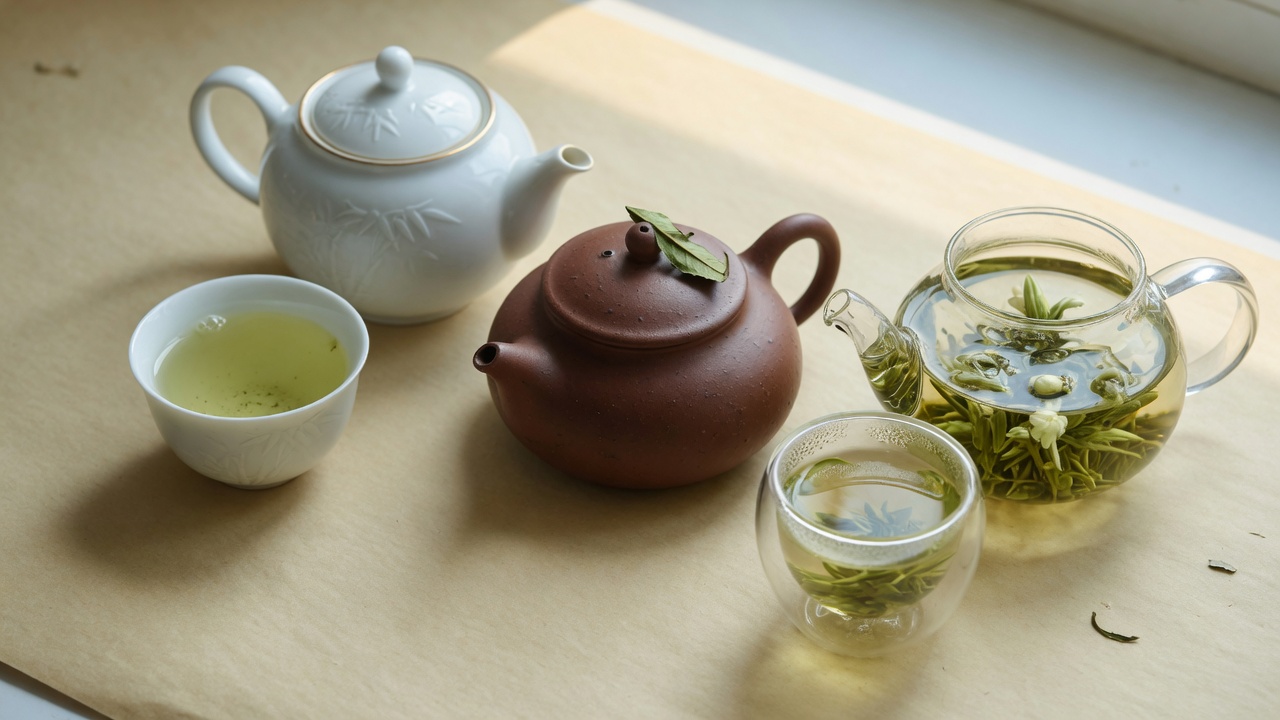
Starter shopping checklist (loose leaf path)
Use this as a buy list, not a museum tour:
- Vessel — 150 ml porcelain gaiwan or mini glass pot
- Cups — small porcelain cups (two is enough; packs are fine)
- Heat — kettle you own, or Cosori temp control when greens taste stewed
- Practice leaf — Longjing-style green for week one
Optional week-two: white peony loose leaf to learn patience without new gear.
Which teas pair with a first set
Match the vessel to forgiving leaves—not the rarest cake in the shop.
Green tea (strong default)
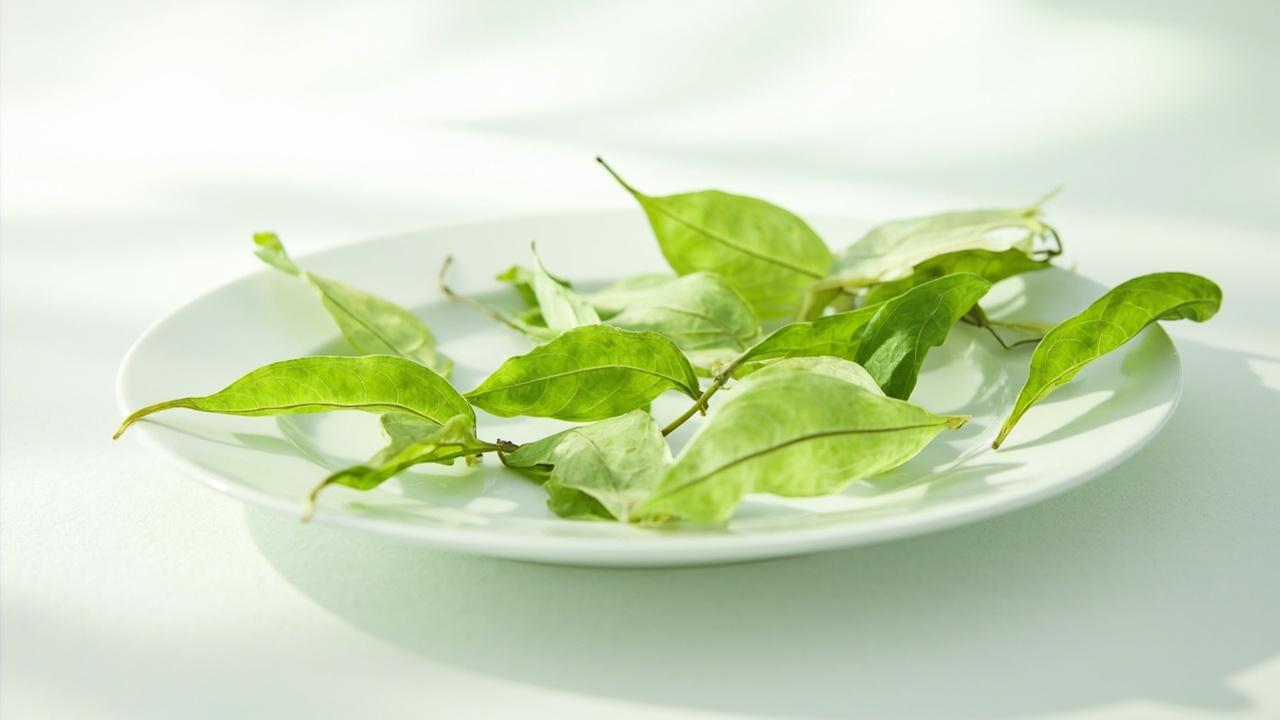
Pan-fired Chinese greens (Longjing-style) and many everyday greens show sweetness with cooler water and short steeps. You taste mistakes quickly, which is how you learn. A week of FullChea Longjing-style loose leaf in a gaiwan or glass pot is enough practice volume without hunting boutique grades. Our Longjing guide covers grades, fakes, and an 80 °C glass or gaiwan routine when you want a named tea to study next.
White tea (gentler pace)
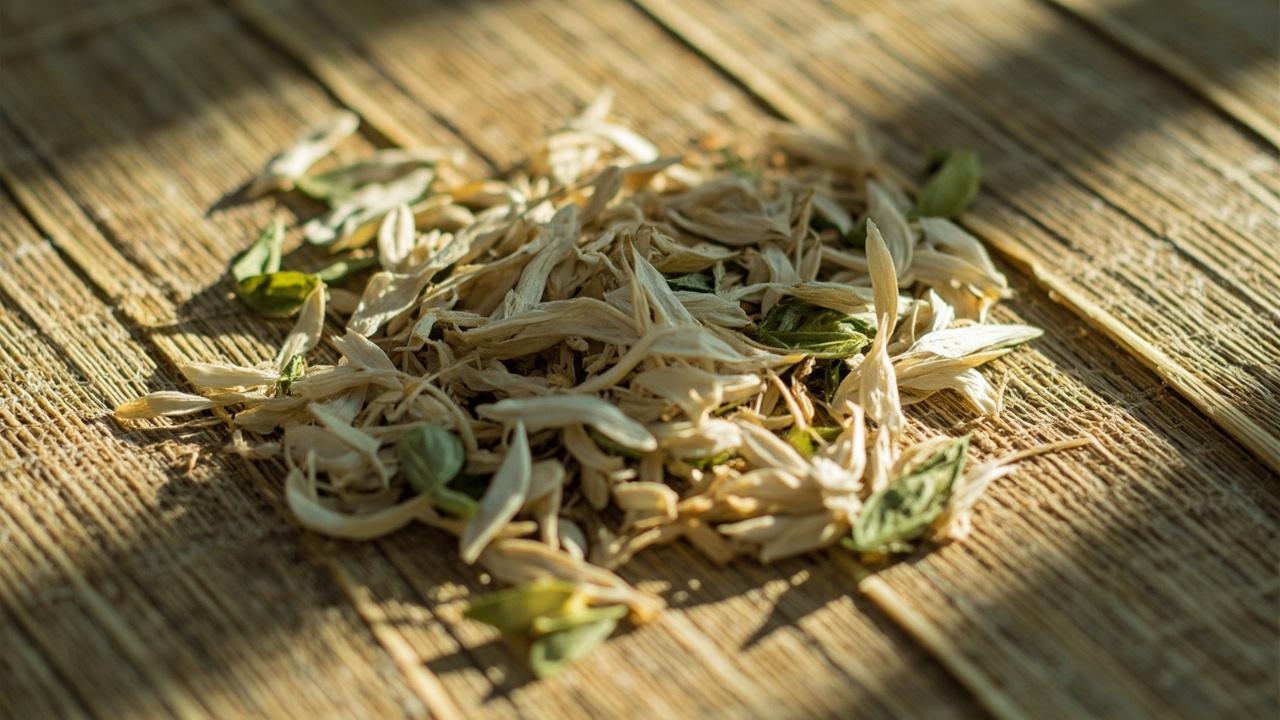
White teas ask for patience more than force. They suit a glass vessel and a calm afternoon. Tealyra White Peony (Bai Mu Tan) is a low-drama second leaf once greens feel familiar. Start from the white-tea group on Varieties as more named guides go up.
Matcha (parallel path, different tools)
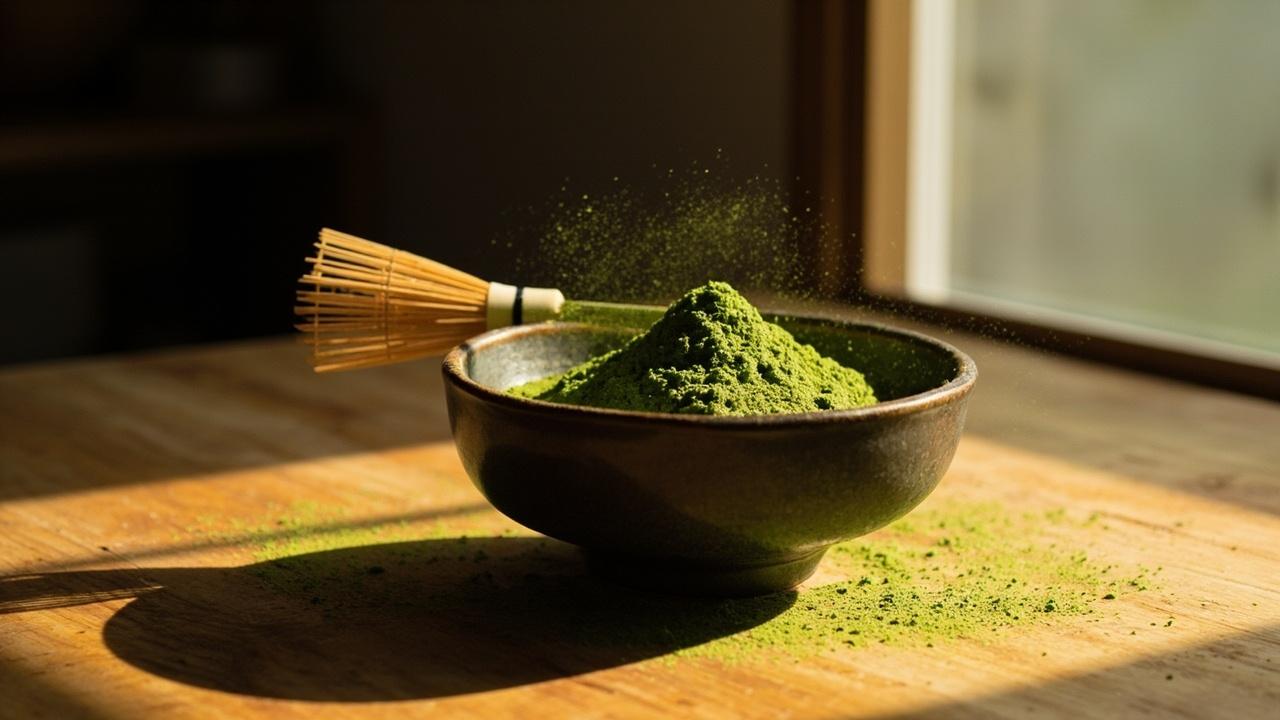
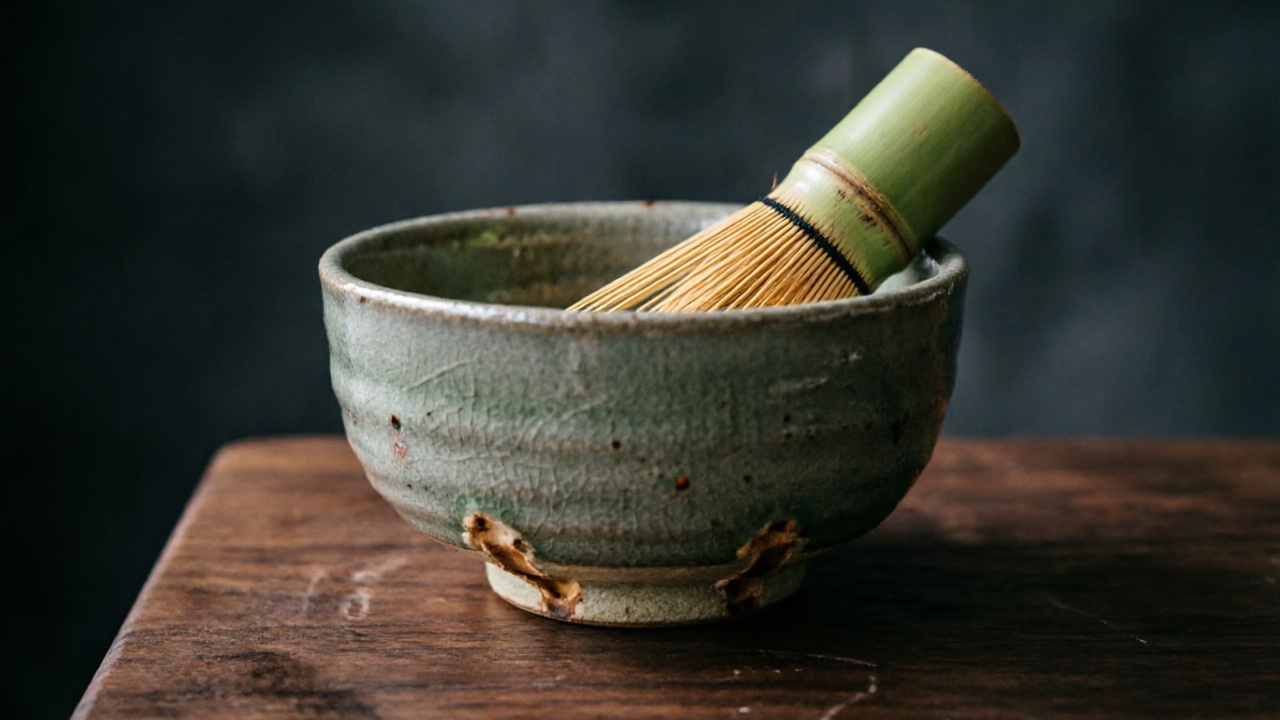
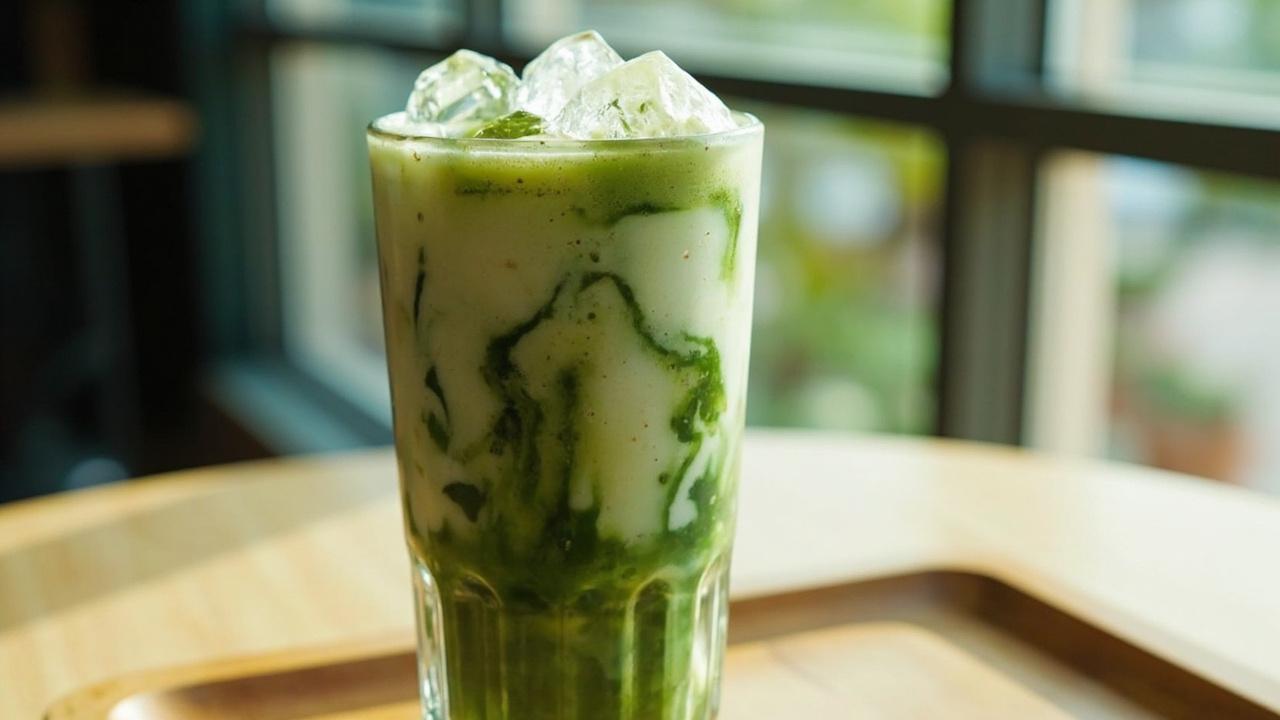
Matcha is friendly to new drinkers, but it is not the same shopping list as loose leaf. You need a wide bowl, something to whisk with, and a sifter more than a gaiwan. If powder is your entry, a complete HARIO matcha set plus a small tin of Naoki ceremonial matcha replaces the gaiwan/glass path—not stacks on top of it. Open matcha tools and the matcha variety guide. For a low-stress first cup with milk, use the matcha latte recipe.
What to postpone
- Heavily roasted oolongs that want tighter temperature discipline
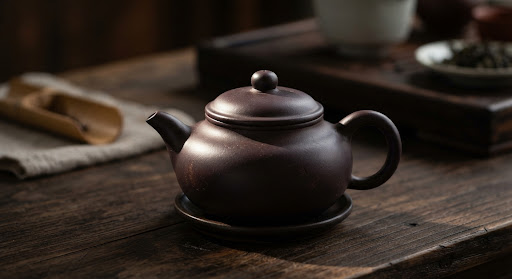
- Aged pu-erh that rewards rinses and clay
- Full ceremony sets before you like daily tea
Those fit teaware for tasting and, later, building a personal system.
A one-week practice plan
| Day | Focus | Success looks like |
|---|---|---|
| 1–2 | Same green tea, same vessel, cooler water | Cup is not harsh or stewed |
| 3–4 | Change only steep time | You can name “too short” vs “too long” |
| 5–6 | Second infusion from the same leaves | You notice the cup change |
| 7 | Optional: white tea or a second green | Same kit, no new shopping |
Use one leaf all week—Longjing-style green—before you “fix” gear. Most early problems are heat and time, not the vessel brand.
For the pour itself—heat, measure, wait—start from the Brewing hub (first-cup and water-temperature guides live there as we publish them).
What to spend on (and what not to)
A workable first stack is often:
- A vessel you will not fear breaking (gaiwan ~$12 or glass pot ~$8)
- Two cups (a cup set is fine)
- Heat you already own, upgraded later with a temp-control kettle
Spend first on fresh leaf and water you can aim. Named tools and leaves above are decision aids with real SKUs—not a ranked “best of Amazon” list for its own sake. Catalog views also sit on Products after build aggregation.
Common mistakes
- Boiling greens — grass and bitterness, not the leaf’s fault
- Oversized pot — too much water, weak cup, long steeps
- Five vessels before one good habit — clutter without skill
- Skipping the second infusion — you never meet the tea fully
- Treating matcha and leaf as the same kit — different tools
If greens keep tasting harsh, fix heat (cool-down or set the kettle to 80 °C) before you replace the gaiwan.
What to do next
- Pick one vessel type from the table above and use it for a week.
- Choose a forgiving green (Longjing guide + practice leaf, or the Longjing-style bag above) or matcha tools if powder is your entry.
- When re-steeping and aroma matter more than “just hot leaf water,” open teaware for tasting.
- For the full shelf map—vessels, tea-family match, care—return to Teaware.
Vessel-Tea Pairing Quick Reference
Different teas brew better in different vessels. Here’s the pairing logic:
| Tea type | Best vessel | Why | Alternative |
|---|---|---|---|
| Green tea | Porcelain gaiwan (150ml) | Neutral glaze, heat control, shows liquor color | Glass gaiwan for visual |
| Black tea | Glass teapot (Western) | Volume for multiple cups, easy leaf removal | Porcelain gaiwan for gongfu |
| Oolong | Porcelain or clay gaiwan | Short steeps, re-steeping, flavor development | Yixing pot (dedicated) |
| White tea | Glass gaiwan or pot | Visual unfurling, low temperature control | Porcelain gaiwan |
| Matcha | Matcha bowl (chawan) + whisk | Powder suspension requires whisking, not steeping | (No substitute) |
3-Month Upgrade Path
Month 1: One porcelain gaiwan (150ml), one cup, one kettle. Brew green and black. Learn temperature and timing. Don’t add anything yet.
Month 2: Add a fairness cup (cha-hai) and a second cup. Start re-steeping. Try oolong. Notice how the cha-hai evens the pour.
Month 3: Add a glass gaiwan for visual brewing, or a glass teapot for Western-style hosting. Start exploring tasting flights or the personal system path.
For deeper vessel study, see how to choose a gaiwan.
The Mind of a First Vessel
A first gaiwan or glass pot is not a permanent identity. It is a quiet instrument for learning heat, time, and leaf—three variables you can feel in one cup. Choose something neutral you will not fear washing, use it daily for a week before shopping again, and let curiosity—not catalogs—decide the second purchase. Skill compounds faster than gear collections.
References
[1] UK Tea & Infusions Association — How to make a perfect cuppa (water temperature guidance for tea types). https://www.tea.co.uk/ [2] ISO 3103 / standard tea preparation practice notes — hot water and timed steep as controllable variables (public standard overview). https://www.iso.org/standard/7328.html